Ha Long Bay weather in winter: temperatures and fog months
January is the coldest month on Ha Long Bay, but March is the one that spoils photos.
VerdictGo in December for the clearest winter views; March has the least sun and the most fog of the year.
Ha Long Bay weather in winter is coolest in January, but the fog peak arrives in March rather than in the middle of winter. These station averages describe a typical month, not a forecast.

Winter cruisers' write-ups tend to describe the same day, so here it is pieced together from four of them. You'll want your warmest layer on deck. On a late-January cruise, one blogger found the cabin balcony a bit too cold to sit on, came back from kayaking cold and slightly wet from the paddles with the light almost gone, and rode the last leg huddled in multiple layers. A couple staying on Cat Ba took a day boat out on New Year's Eve and, as they wrote in January 2008, sat wrapped in blankets on a cold, windy, completely overcast deck. Sunshine arrived on New Year's Day, so they stayed, booked the same trip again and had a really great day. Cloud can cancel extras: a traveler writing in January 2026 learned only over Ha Long that it was too cloudy for the fly-over tour they'd paid extra for. And mist can lift. One r/VietNam cruiser headed back after a second-day kayak through semi-misty water that cleared halfway and turned sunny.
Winter temperatures and rain
January is the coolest month in the Ha Long Bay table, with a mean of 16.2°C. February rises to 17°C, while December is 17.9°C. In Fahrenheit, 16.2°C is about 61°F. The January guide for the whole country puts the bay beside the warmer south that month.
Winter rain is low beside summer. December records 18.1 mm, January 27.7 mm, and February 24.5 mm. The rain-day values are 5.2 in December, 7.6 in January, and 10.4 in February. A lower monthly total does not remove every wet day.

Ha Long Bay weather in winter: highs, lows and record cold
Average daily highs stay below 22°C all winter. January averages a high of 19.3°C and a low of 14°C, February 19.7°C and 15.2°C, and December 21.7°C and 15.3°C.
The lowest temperature in the Bãi Cháy record is 1.7°C, and it falls in December. The record low for January is 4.6°C and for February 5.3°C. These are extremes, not normal nights, but they show how far a cold spell can push this stretch of coast.
Humidity climbs as the season goes on. Mean relative humidity is 76.3% in December, 80.4% in January, 84% in February and 87.1% in March, the most humid month of the year.
Wind and thunderstorms
December is the windiest month at the station, with a mean wind speed of 4.3 m/s, against 2.9 m/s in February. Thunderstorms almost disappear in winter: the table records 0 thunderstorm days in December, 0.1 in January and 0.4 in February, against 11 in August. In this record, winter wet days come with drizzle and small totals rather than storms. The rain days versus millimeters explainer shows why a dry month can still have several wet days.
Fog peaks in March
The fog column does not follow the coolest month. January records 1.3 fog days, February 2.5, and March 4.2, the highest value in the year. December records 0.4. The Vietnam fog-days comparison shows how this March peak differs from Sa Pa and Ha Giang.
Drizzle also rises into March. January has 3 drizzle days, February 6.9, and March 9.8. February therefore has more drizzle days than January, even though its rain total is lower. April falls to 3.6 drizzle days, and May records 0.
Sun hours add another contrast. March records 42.9 sun hours, the lowest value in the table. February records 48.3, while December records 127.7. The winter months are not one uniform block in the station record.

National Geographic's short film on Ha Long Bay shows the limestone islands a winter cruise passes.

All twelve months
| Month | Mean C | Rain mm | Rain days | Drizzle days | Fog days | Sun hours |
|---|---|---|---|---|---|---|
| Jan | 16.2 | 27.7 | 7.6 | 3 | 1.3 | 81.2 |
| Feb | 17 | 24.5 | 10.4 | 6.9 | 2.5 | 48.3 |
| Mar | 19.5 | 42.9 | 14.3 | 9.8 | 4.2 | 42.9 |
| Apr | 23.4 | 86.3 | 11.4 | 3.6 | 1.4 | 88.7 |
| May | 26.9 | 183.2 | 12 | 0 | 0 | 178.2 |
| Jun | 28.4 | 297 | 15.5 | 0 | 0.1 | 168.4 |
| Jul | 28.6 | 364.3 | 16.5 | 0 | 0.1 | 186.8 |
| Aug | 27.9 | 430.5 | 18.7 | 0 | 0.3 | 165.2 |
| Sep | 27.1 | 276 | 14.1 | 0 | 0.2 | 177.1 |
| Oct | 25 | 142.6 | 9.2 | 0 | 0.1 | 177.3 |
| Nov | 21.5 | 38.9 | 5.8 | 0.2 | 0.2 | 155.7 |
| Dec | 17.9 | 18.1 | 5.2 | 0.6 | 0.4 | 127.7 |
August is the wettest month at 430.5 mm and 18.7 rain days. November and December are much drier, but March has more fog and drizzle than either winter endpoint. The Ha Long Bay destination page keeps the station record tied to the place.
Winter opening hours and boat departure times
The Ha Long Bay management board runs a winter timetable. Its visitor-hours page, last updated on 6 November 2024, sets the winter season for caves and islands from 1 November to 15 April. In that season Dau Go Cave, Sung Sot Cave and Ti Top Island open from 7:30 to 17:00, half an hour shorter than the summer closing time of 17:30. Vung Vieng runs from 8:00 to 16:45 in winter.
Boat departures follow a slightly different calendar. From 1 November to 31 March, boats leave port from 5:30 and must be back by 19:00. From 1 April to 31 October they can leave from 5:00 and return as late as 20:00. A day trip in January therefore has a shorter window on the water, and the sun-hour column above is lower too.

What to pack for a winter cruise
Pack for a cool, damp boat deck. Average lows stay in the mid-teens Celsius from December to February, and humidity stays above 80% from January. A warm layer and a light waterproof jacket cover the drizzle months. The Vietnam weather in November guide compares the start of the season with the rest of the country.

Asked which Ha Long Bay cruise to book, one r/VietNam user suggested a quieter area:
"Indochina Junk has cruises to adjacent Bai Tu Long Bay and is very nice and highly regarded. This area is far less crowded than Ha Long Bay."
u/Varekai79 on r/VietNam
How to use the table
January is the coolest month, December has the lowest rain total, and March has the most fog and drizzle. Pick the column that matches your concern, then check the forecast close to departure.
The Vietnam when-to-go guide gives this northern record a wider regional context.
What this does not tell you
The station is Bãi Cháy, listed at 87 m in the regulation's station table. The figures therefore represent that station, not every island or cruise route. It does not measure water visibility, wind on a boat, or a particular day's view. The regulation does not state the observation period of these tables.
Our take
December is the easiest winter month for views. It has the most sun hours of the three winter months, the lowest rain total and only 0.4 fog days, although it is also the windiest. January is the coldest. February and March suit travelers who can accept grey skies, and March has the least sun and the most fog of the year. If clear photos of the karst matter most to you, December is the month this record points to.
How we checked this
The climate figures come from 13 tables of QCVN 02:2022/BXD for the Bãi Cháy station. The opening hours and boat times come from the Ha Long Bay management board's visitor-hours page. We matched every value against these sources on 8 October 2026.
On 21 October 2026 we downloaded the PDF again, matched every Bãi Cháy row in our source log to its table and re-read the board's visitor-hours page: every figure, boat time and opening hour is unchanged. Last reviewed: 21 October 2026.
References
- QCVN 02:2022/BXD, National technical regulation on natural physical and climatic data for construction: https://datafiles.chinhphu.vn/cpp/files/vbpq/2022/10/02-bxd.pdf. Checked 2026-10-08.
- Ha Long Bay management board, visitor hours (Thời gian đón khách tham quan): https://halongbay.com.vn/c/thoi-gian-on-khach-tham-quan. Checked 2026-10-08.
Photo (cover): Fernando Strabuli / Unsplash
Data checked: October 2026.
About the author

Pen name for the weather and climate beat: rain, temperature, typhoons and when to go. Every comparison is built from official station records.
Keep reading

Ha Long Bay entrance fee: all 8 routes and overnight prices
Guides · 5 min

The coldest places in Vietnam, and when nights turn cold
Guides · 5 min
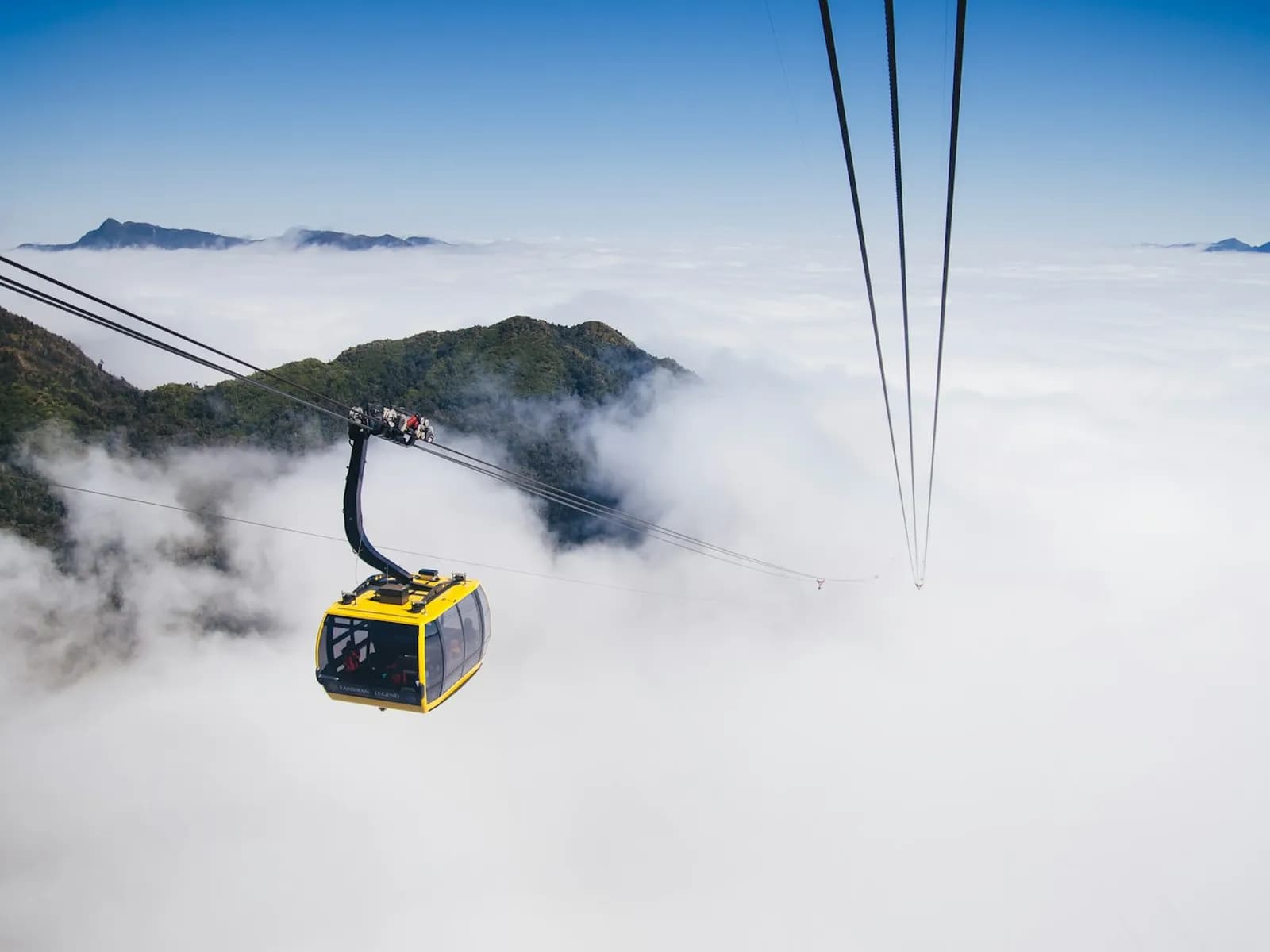
Sa Pa in winter: little rain, but a lot of fog and drizzle
Guides · 5 min
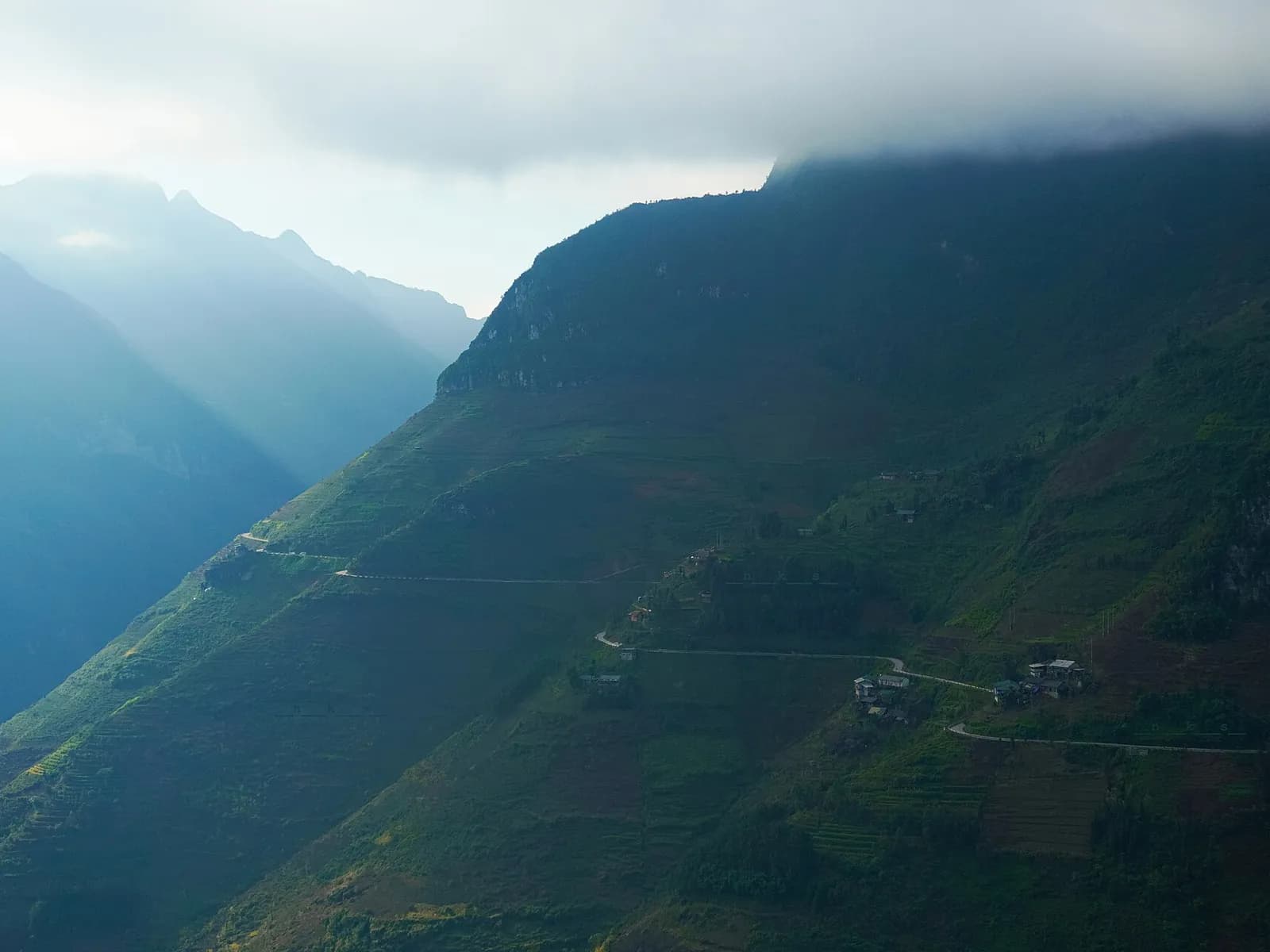
Where fog days matter in Vietnam: Sa Pa, Ha Giang, Ha Long
Guides · 5 min

North vs south Vietnam weather: Hanoi and the Mekong Delta
Guides · 5 min

Vietnam rainy season: the wettest month in each place
Guides · 5 min
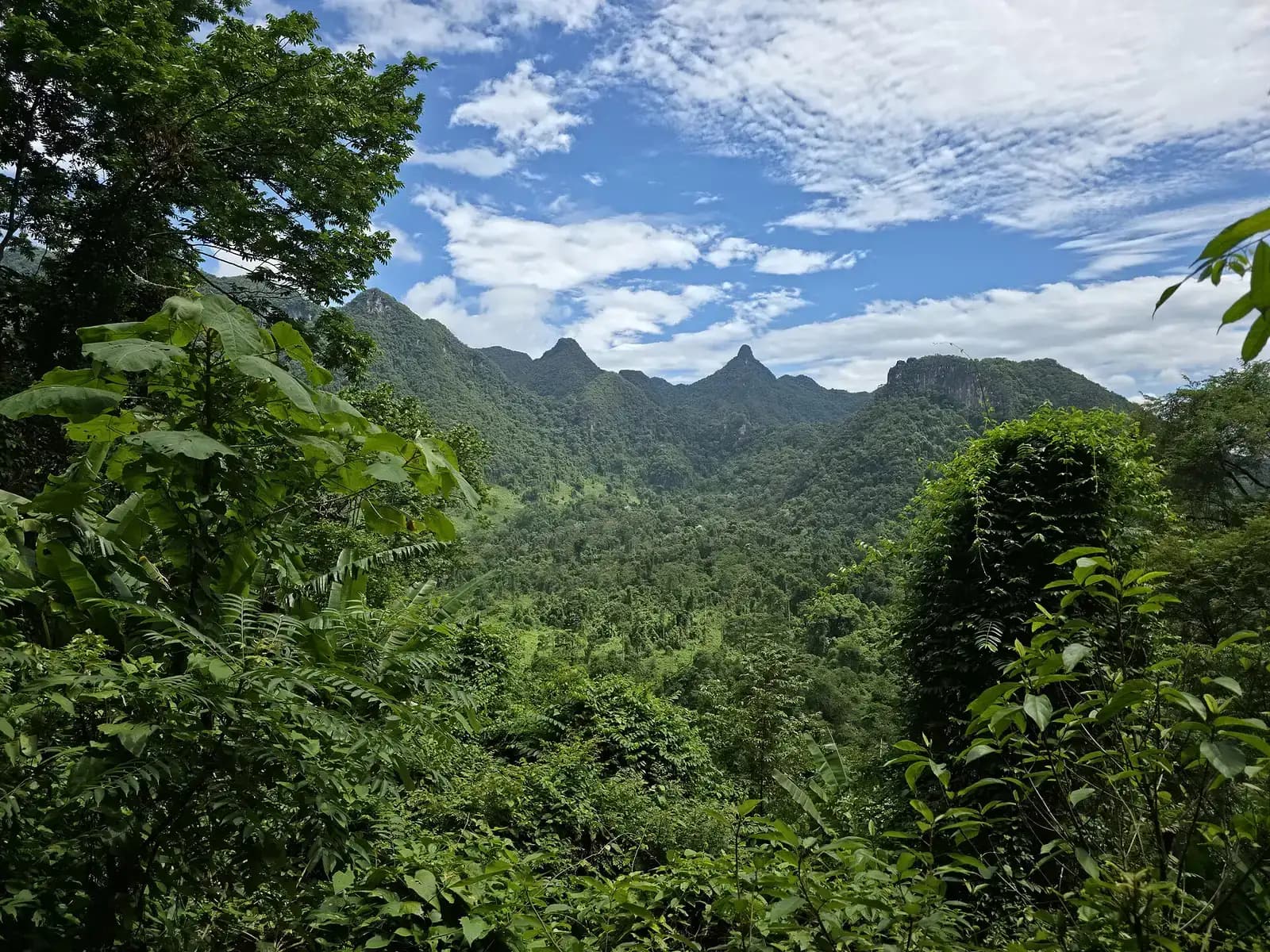
Phong Nha rainy season: October rain, floods and the caves
Guides · 5 min
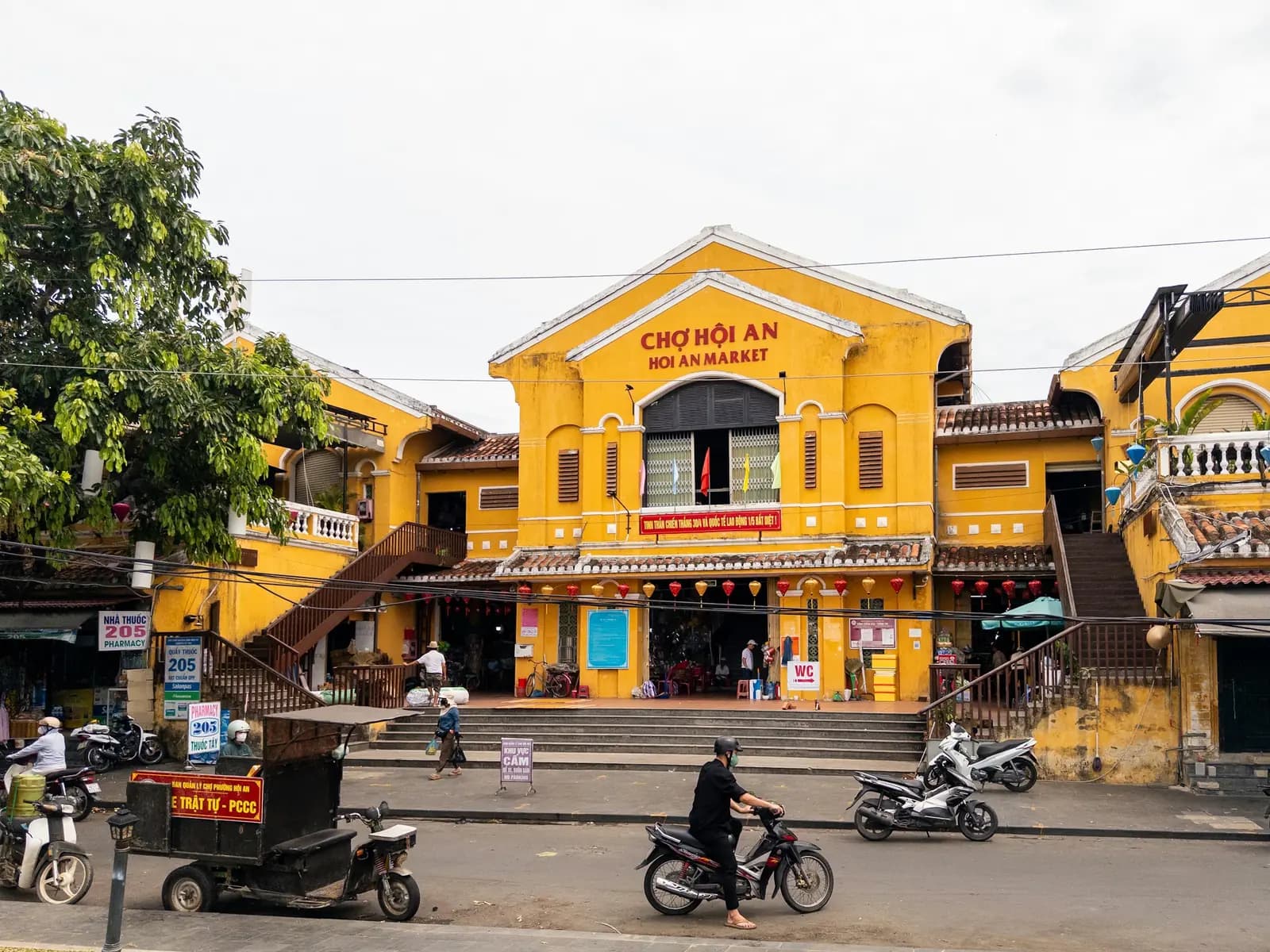
Hoi An weather by month: the dry half and the wet autumn
Guides · 5 min
Disclaimer
This article is general information, not legal, immigration, medical or financial advice. Prices, visa rules and transport schedules change, and each figure shows the month we last verified it. Confirm anything that affects your trip (entry requirements, fees, health rules) with the official government or provider source before you book or travel. The site has no affiliate links today; our affiliate disclosure explains what we will do if that changes.