AsiaTripFacts · Guides
Sa Pa in winter: little rain, but a lot of fog and drizzle
Sa Pa in winter brings low rainfall totals but frequent fog, drizzle and limited sun. See the station table, caveats and practical reading guide.
5 min readBy AsiaTripFacts Editors
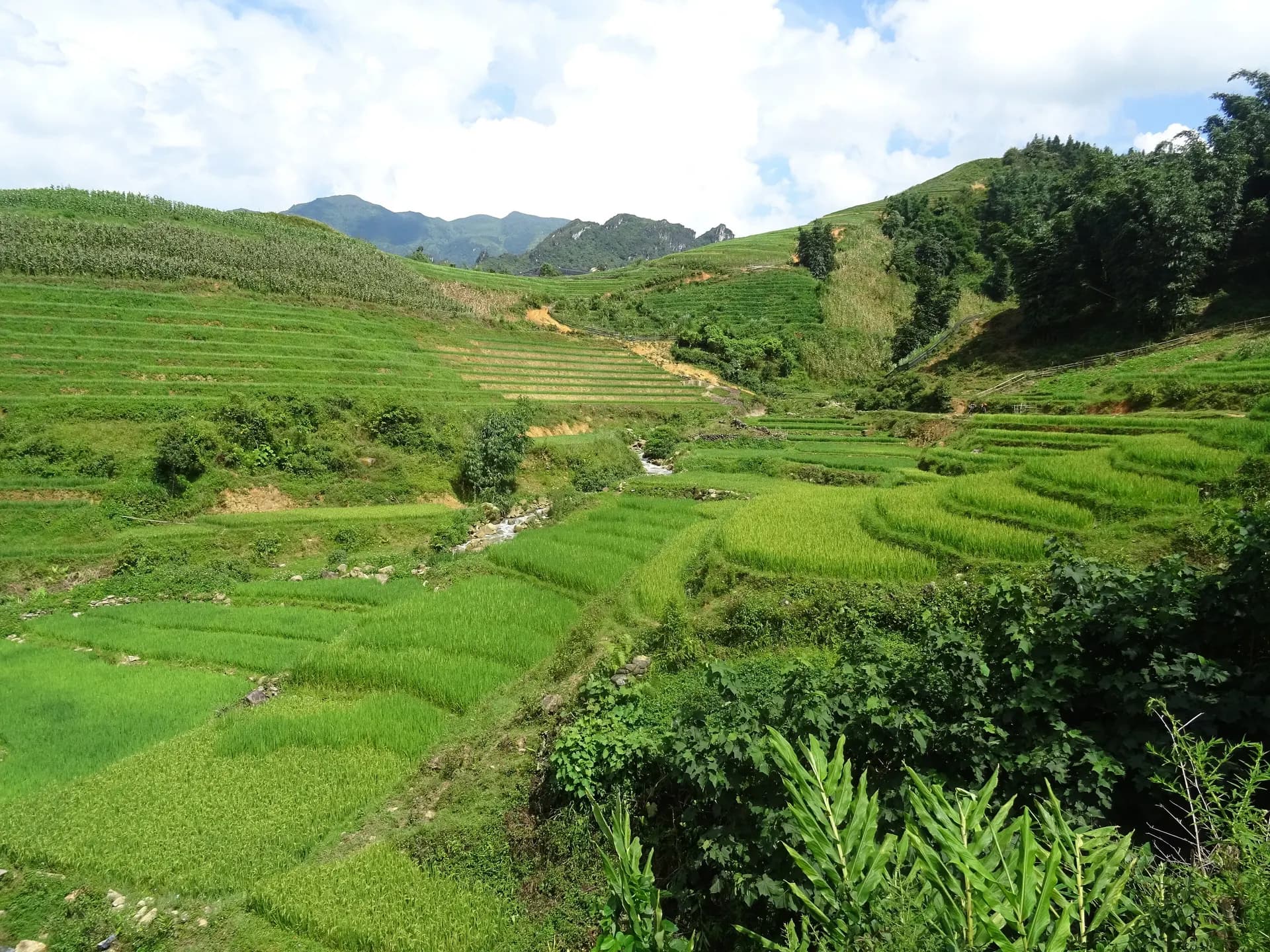
Sa Pa in winter is the drier part of the station record, but the low rain total does not mean clear skies. We use station tables from Vietnam's construction regulation, where averages describe a typical month, not a forecast.
Winter in the station record
December, January, and February have the lowest rain totals in the Sa Pa table. December records 65.7 mm, January 70.2 mm, and February 73.5 mm. Summer is much wetter by comparison: July records 461 mm, the wettest month in this table.
The winter temperatures are also the lowest in the record. January has a mean of 8.6°C, a maximum of 12.3°C, and a minimum of 6.2°C. December has a mean of 9.4°C, while February reaches 10.4°C. In Fahrenheit, 8.6°C is about 47°F.
Rainfall is only one column. The same winter rows show 13.5 rain days in December, 16.3 in January, and 16.3 in February. Rain days show how often it rains, which the millimeter total does not.
Fog, drizzle, and sun change the reading
Sa Pa's winter fog figures are high beside its summer figures. January records 17.4 fog days, February 16.9, and December 13.3. July records 1.4 fog days. The winter table also records 14.1 drizzle days in January, 13.8 in February, and 9.7 in December.
The sun-hour column adds another piece of context. January has 113.3 sun hours, February 115.6, and December 121. July has 104.1. A low rainfall total can sit beside frequent fog and drizzle, and none of these figures promise a clear view from a particular ridge.
Read the winter rows in layers: rain in millimeters is the amount, rain days is how often, and drizzle days, fog days and sun hours show conditions that the rain total misses.
For a broader explanation of the first two columns, see our guide to rain days versus millimeters. For the fog column across several places, use the comparison of fog days in Vietnam.
All twelve months side by side
This table keeps winter beside the rest of the year. All values are for the Sa Pa station.
| Month | Mean C | Rain mm | Rain days | Drizzle days | Fog days | Sun hours |
|---|---|---|---|---|---|---|
| Jan | 8.6 | 70.2 | 16.3 | 14.1 | 17.4 | 113.3 |
| Feb | 10.4 | 73.5 | 16.3 | 13.8 | 16.9 | 115.6 |
| Mar | 13.9 | 104.5 | 15.7 | 10.7 | 15.3 | 151.2 |
| Apr | 17.1 | 213.3 | 17.9 | 6.7 | 10.8 | 167.8 |
| May | 18.9 | 340.6 | 22.2 | 2.1 | 5.6 | 148.1 |
| Jun | 19.8 | 381.4 | 24.4 | 0.6 | 3 | 98.9 |
| Jul | 19.8 | 461 | 25.6 | 0.2 | 1.4 | 104.1 |
| Aug | 19.5 | 451.9 | 23.4 | 0.1 | 1.9 | 114.2 |
| Sep | 18.2 | 303.1 | 19.8 | 1.8 | 2.8 | 101.7 |
| Oct | 15.7 | 201.3 | 18.6 | 5.6 | 7.8 | 94 |
| Nov | 12.5 | 106.3 | 13.8 | 7.7 | 11.3 | 112.5 |
| Dec | 9.4 | 65.7 | 13.5 | 9.7 | 13.3 | 121 |
The seasonal contrast is large. Rain rises from 65.7 mm in December to 461 mm in July. Fog falls from 17.4 days in January to 1.4 in July. Drizzle also drops from 14.1 days in January to 0.2 in July. Sun hours do not move in a simple direction, which is another reason to read the whole table rather than label a month from rainfall alone.
How to use the figures for a trip
Winter suits a trip that prefers cool temperatures and lower rainfall, but pack for cool, damp conditions. From December to February the station records 13.5 to 16.3 rain days and 13.3 to 17.4 fog days a month. Keep plans flexible around visibility.
The Sa Pa destination page has the place overview, and Vietnam's when-to-go guide puts this record beside other regions.
What this does not tell you
The station is at 1,570 m above sea level and 2 km from the Sa Pa map pin. The table therefore describes the station location, not every point in the town, valley, or higher mountain route.
The table does not measure trail conditions, cloud height, visibility at a viewpoint, wind, storms, or the exact weather on your travel date. The regulation also does not define a fog day or a drizzle day, and it does not state the observation period of these tables, so we do not name one.
References
- QCVN 02:2022/BXD, National technical regulation on natural physical and climatic data for construction: https://datafiles.chinhphu.vn/cpp/files/vbpq/2022/10/02-bxd.pdf. Checked 2026-09.
Photo: Rice terraces in Sa Pa 12.jpg, Christophe95, CC BY-SA 4.0, https://commons.wikimedia.org/wiki/File:Rice_terraces_in_Sa_Pa_12.jpg

Data checked: September 2026.
About the author
AE
Editorial team
The AsiaTripFacts editorial team. We publish visa rules, weather by month and safety advice for Western travelers in Vietnam, and every figure carries its source and the date we last verified it.
Keep reading

Where fog days matter in Vietnam: Sa Pa, Ha Giang, Ha Long
Guides · 5 min

Central Vietnam in October: Hue, Da Nang and Phong Nha
Guides · 5 min
Da Lat in the dry season: December to March in numbers
Guides · 5 min
The driest month in Vietnam for each place we cover
Guides · 5 min

Hue or Da Nang: how the weather and airports compare
Guides · 5 min

Rain days vs millimeters: why the rainfall number misleads
Guides · 5 min

Vietnam airports by destination: the nearest with flights
Guides · 5 min

Vietnam e-visa for US citizens: the fee and the limits
Guides · 5 min
Disclaimer
This article is general information, not legal, immigration, medical or financial advice. Prices, visa rules and transport schedules change, and each figure shows the month we last verified it. Confirm anything that affects your trip (entry requirements, fees, health rules) with the official government or provider source before you book or travel. Affiliate links, where present, help support our editorial work and are explained in our affiliate disclosure.