Vietnam weather in January: where to go and what to expect
January is the south's best month and the north's coldest. Pick your half of the country first.
VerdictGo south or to Da Lat for sun, take a warm layer to Hanoi, and skip Hue if rain matters: it still gets 129.3 mm in January.
Vietnam weather in January splits the country in two. The south is dry, warm and sunny, and it's the month we'd pick for Phu Quoc, Con Dao, the Mekong Delta and Da Lat. The north is at its coldest: Hanoi is cool and grey with light rain on many days, and Sa Pa sits in fog for more than half the month. The centre is in between, and Hue is still wet. These are long-run station averages, not a forecast for January 2027.
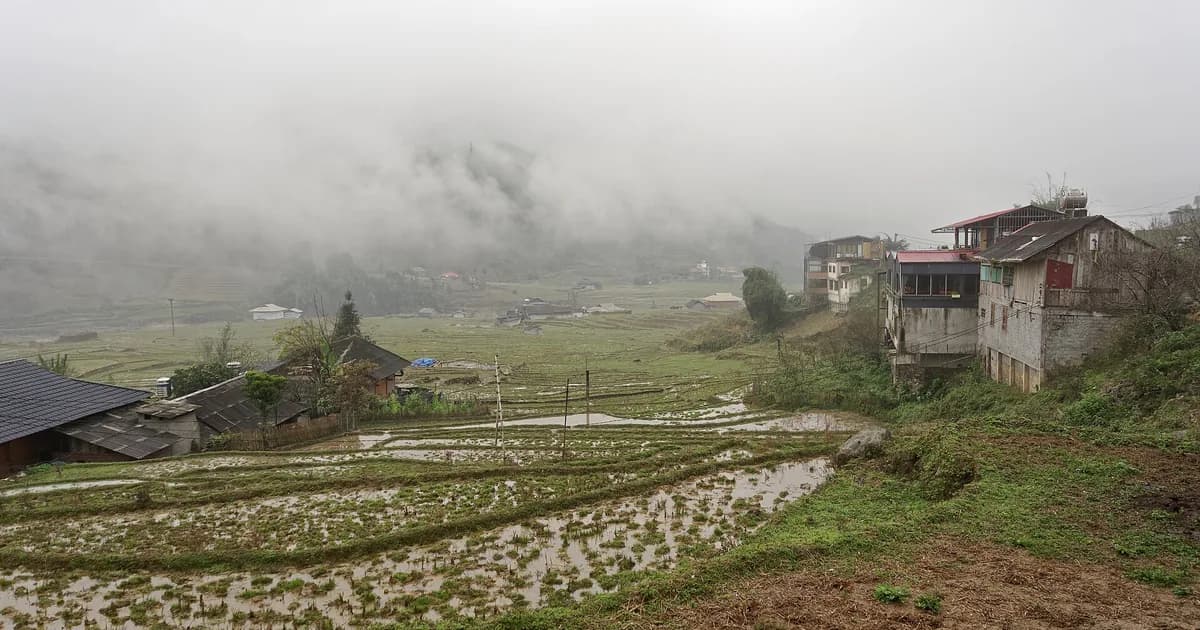
Here's a northern January pieced together from what several travelers posted on Reddit. In Hanoi you'll see tourists in shorts and T-shirts while locals pass in long trousers and padded jackets. It may drizzle for a while and then stay dry for most of the day. Take the night train up to Sa Pa and you'll reach town at around 8 in the morning. Don't count on central heating: most homestays have an air conditioner that blows warm air, and some have an electric heater, so it'll feel colder than the forecast says. The view is a gamble too. One traveler went up Fansipan in January and saw nothing through the fog; the next day it lifted enough for the glass bridge.
Vietnam weather in January by place
The table gives Vietnam weather in January for 15 places, coldest first: mean, high and low temperatures, rain, rain days and sunshine. Ho Chi Minh City's row comes from the Japan Meteorological Agency's normals for its Tan Son Hoa station, which give a mean temperature and no other January figure.
| Place | Mean °C (°F) | High / low °C | Rain mm | Rain days | Sun hours |
|---|---|---|---|---|---|
| Sa Pa | 8.6 (47) | 12.3 / 6.2 | 70.2 | 16.3 | 113.3 |
| Ha Giang | 15.6 (60) | 19.5 / 13.3 | 40.1 | 11.4 | 54.9 |
| Da Lat | 15.9 (61) | 22.3 / 11.7 | 9.1 | 2.2 | 237.4 |
| Ha Long Bay | 16.2 (61) | 19.3 / 14 | 27.7 | 7.6 | 81.2 |
| Hanoi | 16.6 (62) | 19.8 / 14.5 | 22.5 | 9.5 | 68.7 |
| Ninh Binh | 16.6 (62) | 19.6 / 14.6 | 27.9 | 9 | 69.9 |
| Phong Nha | 18.8 (66) | 21.7 / 16.7 | 59.4 | 11.8 | 89.9 |
| Hue | 19.9 (68) | 23.5 / 17.5 | 129.3 | 15.5 | 104 |
| Hoi An and Da Nang | 21.5 (71) | 25 / 19.3 | 81.9 | 12 | 131.9 |
| Quy Nhon | 23.3 (74) | 26.6 / 21.2 | 66.8 | 13.6 | 154.8 |
| Nha Trang | 24 (75) | 27.2 / 21.4 | 43 | 8.6 | 179.6 |
| Con Dao | 25.3 (78) | 27.9 / 24.1 | 12.5 | 2.2 | 206.4 |
| Mekong Delta | 25.4 (78) | 30.2 / 22.3 | 10 | 2 | 244.9 |
| Phu Quoc | 25.9 (79) | 30.6 / 23 | 27.7 | 4.6 | 247.5 |
| Ho Chi Minh City | 26.8 (80) | No station record | No station record | No station record | No station record |
Phong Nha uses the Dong Hoi station, Ha Long Bay the Bai Chay station, the Mekong Delta Can Tho, and Hoi An shares Da Nang's.
The north: cold, grey and drizzly
January is the coldest month of the year in Hanoi, with a mean of about 17°C (62°F). Rain totals are small, but they're spread over close to ten days, which usually means drizzle; our rain days vs millimeters explainer shows why the two numbers can disagree. Hanoi also gets under 70 hours of sun for the whole month, about two and a quarter hours a day, against more than 110 in December.
Ha Long Bay and Ninh Binh look much the same on paper, so expect a grey sky over the karsts on most days. The Ha Long Bay winter weather article goes through every month there. Ha Giang is the dullest station in the table, with about 55 hours of sun.

The regulation also counts drizzle days and fog days, which explain the grey better than the rain column does:
| Station (January) | Drizzle days | Fog days |
|---|---|---|
| Sa Pa | 14.1 | 17.4 |
| Hanoi | 5.2 | 1.6 |
| Ninh Binh | 4.4 | 2.1 |
| Ha Long Bay (Bai Chay) | 3 | 1.3 |
| Ha Giang | 2.7 | 3.1 |
| Hue | 0.1 | 3.8 |
| Phong Nha (Dong Hoi) | 0.9 | 1.4 |
| Hoi An and Da Nang | 0.2 | 0.4 |
Drizzle in the lowlands has not peaked yet in January: Hanoi's drizzle days climb in February and March, and so do Ninh Binh's and Ha Long Bay's. The fog days article has the month-by-month counts for the northern stations.
Sa Pa in January
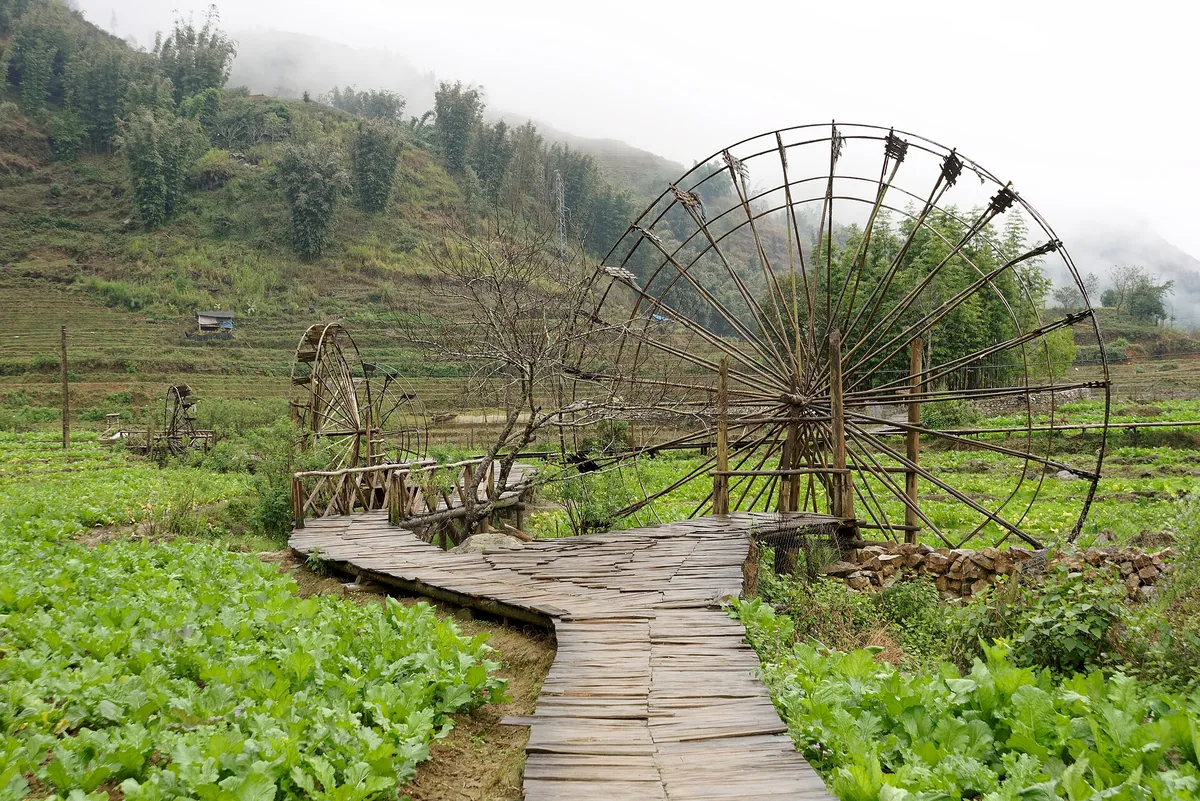
Sa Pa is the cold one: a mean of about 9°C (47°F) and nights near 6°C, at a station 1,570 m up. It has fog on more than half the days of the month and drizzle on about half. That matches what travelers describe: a view lost one day and back the next, so a second day is insurance. The Sa Pa winter article sets the winter months against the rest of the year, and getting from Hanoi to Sa Pa has the trains and buses.
This VTV weather bulletin (in Vietnamese) from 10 January 2026 reported frost in the northern mountains.

The centre: Hue is still wet, Hoi An is drying out
Hue gets the most rain in the table in January, spread over about half the days of the month, though that's far below its October and November peak. Da Nang, the station for Hoi An, gets about two thirds of Hue's total; the Hue or Da Nang comparison sets the two side by side all year. Quy Nhon is similar to Da Nang, with more sun.
The turn comes a month later. Da Nang's rain drops to under a third in February, with about half as many rain days, which is why our guide to the best time to visit Hoi An picks February to April. Nha Trang is already the driest of the central coast in January, with under nine rain days.
The south and Da Lat: dry and sunny
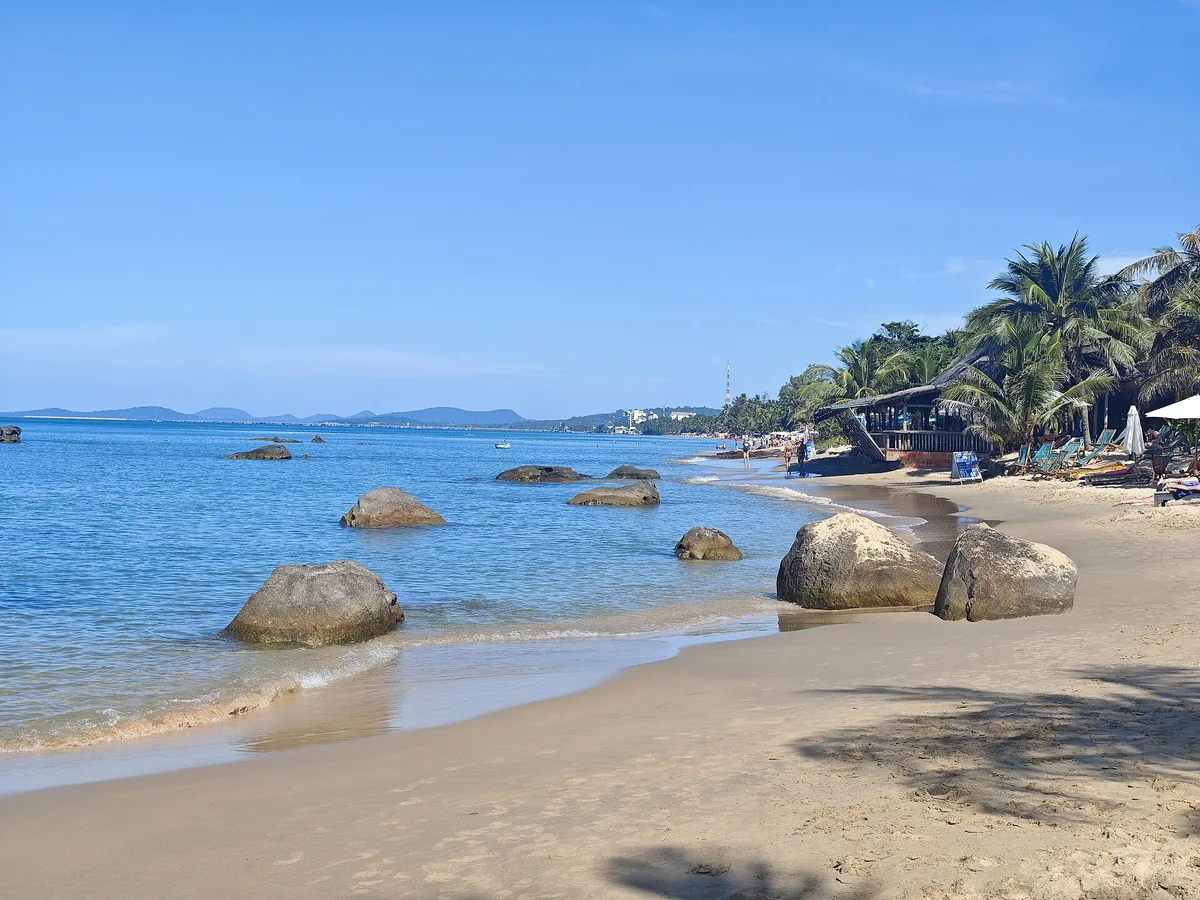
January is the south's best month. Con Dao and the Mekong Delta average about two rain days, Phu Quoc under five, and all three get more than 200 hours of sun. Phu Quoc and Can Tho, for the Mekong Delta, top the sunshine column. Days run near 30°C and nights in the low 20s, and Ho Chi Minh City is the warmest row at a mean of almost 27°C.
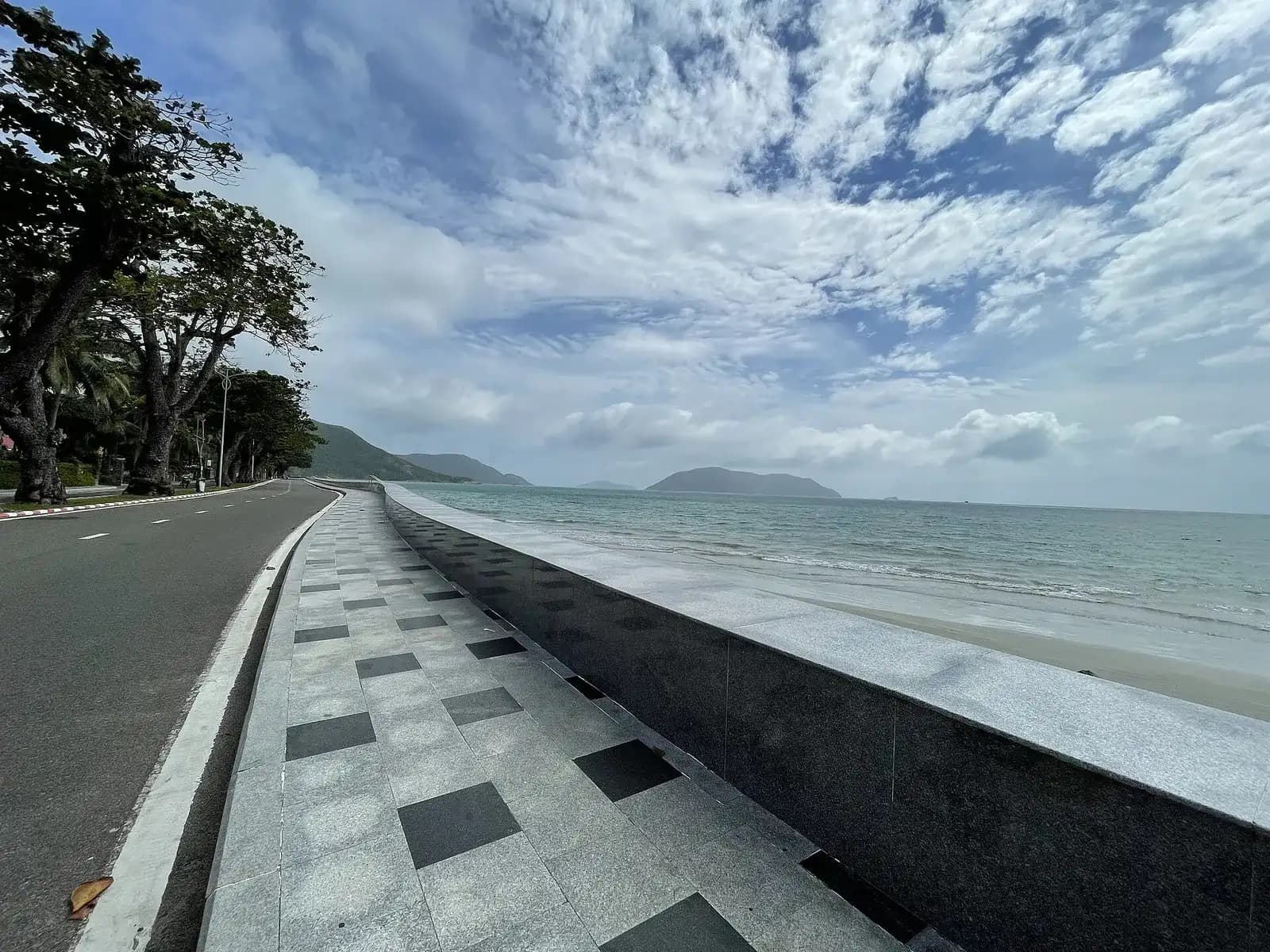
Da Lat is dry and bright too, with only about two rain days, but it's high and cool: days in the low 20s and nights near 12°C, the widest day-night gap in the table. The Da Lat dry season article shows how fast the rain returns after February.
What a "rét đậm" headline means
In January you may see Vietnamese forecasts warn of "rét đậm" or "rét hại". The national weather agency's definition: rét đậm is a day whose mean temperature sits between 13 and 15 degrees, rét hại one whose mean drops below 13, and both only count on a cloudy day that may bring light rain. A clear day with a cold night and a warm afternoon doesn't qualify. The terms come from farming and are used mainly for the northern lowlands and midlands and the north-central coast. A cold-surge bulletin with "rét" in its name goes out when the lowland mean is expected to fall below 15 degrees for two days or more.
Hanoi's average January day, at about 17°C, is above that line, so such a bulletin means a spell well colder than the usual January. Sa Pa's mean sits below the lower line even in an average January, which is why the mountains get the frost reports.
January or February?
Asked whether Hanoi is cold in January, one r/Hanoi user from Finland wrote:
"I am from Finland and we get -30c winters so I am used to cold weather… I was NOT prepared how cold it would be in Hanoi. It is because it’s cold and humid so the cold gets to your bones.."
u/FantasticCarrotCake on r/hanoi
February is a little warmer in Hanoi but greyer, with more drizzle and less sun, so January is not the worse of the two for the north. For Hoi An and the central coast, February is clearly better. Tet also lands in February in 2027: the holiday runs from 4 to 10 February, and Vietnam Railways' peak Tet period starts on 23 January, so book late-January trains early. The Tet 2027 guide covers what closes.
Our take
Spend January in the south. Phu Quoc, Con Dao and the Mekong Delta are at their driest and sunniest, and Da Lat is dry if you pack for cold nights. Hanoi, Ha Long Bay and Ninh Binh are fine with a warm layer, but expect grey skies. Give Sa Pa two days, not one, because of the fog. Leave Hue and Hoi An for February or later if rain would spoil the trip.
How we checked this
Every station figure comes from QCVN 02:2022/BXD, the Ministry of Construction's climate regulation, read from the PDF on 26 October 2026 and matched value by value for January, with February and December for the comparisons. Ho Chi Minh City's mean comes from JMA ClimatView's normals for Tan Son Hoa. The Fahrenheit values and the comparisons are our own arithmetic from those tables. The cold-spell definitions are from the national weather agency, and the Tet dates from the Ministry of Home Affairs notice.
What this does not tell you
- The rows come from single stations, not from every town they stand for: Phong Nha's is on the coast at Dong Hoi, not in the national park, and Hoi An borrows Da Nang's.
- Averages say nothing about a particular cold spell or a particular year.
- Ho Chi Minh City has only a mean temperature; we found no station rain normal for it.
References
- QCVN 02:2022/BXD, National technical regulation on natural physical and climatic data for construction: https://datafiles.chinhphu.vn/cpp/files/vbpq/2022/10/02-bxd.pdf. Checked 2026-10-26.
- JMA ClimatView monthly normals, station 48900 Tan Son Hoa: https://ds.data.jma.go.jp/tcc/tcc/products/climate/climatview/graph_mkhtml_nrm.php?n=48900&y=2026&m=8&e=7&r=1&s=1&k=0. Checked 2026-10-26.
- Vietnam Meteorological and Hydrological Administration, "Tìm hiểu về không khí lạnh, rét đậm, rét hại" (1 January 2025): https://vnmha.mae.gov.vn/tim-hieu-ve-khong-khi-lanh-ret-dam-ret-hai-15720.htm. Checked 2026-10-26.
- Ministry of Home Affairs, notice 11483/TB-BNV on the 2027 Tet holiday: https://moha.gov.vn/tin-tuc/thong-bao-lich-nghi-tet-am-lich-va-le-quoc-khanh-nam-2027---id19741. Checked 2026-10-21.
- Bao Lang Son, Vietnam Railways' 2027 Tet ticket sales: https://baolangson.vn/en/railways-begin-selling-2027-tet-holiday-tickets-on-september-5-5103854.html. Checked 2026-10-21.
Photo (cover): Jakub Hałun / Wikimedia Commons, CC BY 4.0
Data checked: October 2026.
About the author

Pen name for the weather and climate beat: rain, temperature, typhoons and when to go. Every comparison is built from official station records.
Keep reading

Vietnam Culture Day 2026: What's Free and What's Open
Guides · 5 min
Vietnam weather in December: cool north, dry south
Guides · 5 min
Hottest month in Vietnam: April, June or July, by region
Guides · 5 min

The coldest places in Vietnam, and when nights turn cold
Guides · 5 min

Tet 2027 in Vietnam: dates, closures and when to book
Guides · 5 min

Vietnam travel requirements for US, UK and EU passports
Guides · 5 min

Vietnam weather in November: dry places and wet places
Guides · 5 min

Is Vietnam safe for Americans? Drugs, storms, scams, roads
Guides · 5 min
Disclaimer
This article is general information, not legal, immigration, medical or financial advice. Prices, visa rules and transport schedules change, and each figure shows the month we last verified it. Confirm anything that affects your trip (entry requirements, fees, health rules) with the official government or provider source before you book or travel. The site has no affiliate links today; our affiliate disclosure explains what we will do if that changes.