Is Vietnam safe for Americans? Drugs, storms, scams, roads
Vietnam sits at Level 1, the lowest of four. The embassy's sharpest recent alert is about drugs, and the next is about storms.
VerdictYes, it's Level 1; the warnings that matter are drugs, the June to November storms and the roads.
Is Vietnam safe for Americans? Yes, by the US government's own scale: the State Department's travel advisory for Vietnam is Level 1, Exercise Normal Precautions, the lowest of its four levels. What the embassy actually warns about in 2026 is narrower and more useful than a level: a drug crackdown that arrests people who test positive, a storm season that covers half the year, and roads where motorbike crashes are common. We'd go, and we'd plan around those three.
For the roads, one foreign resident's account shows what a crash can look like away from the big cities. Tony Kuschert wrote in Viet Nam News in March 2026 that he was riding home at only 20 km an hour on a broken access road in rural Nhon Trach, about 35 km from central Ho Chi Minh City, when he hit a rock in a patched pothole as he braked. He landed on his right side and blacked out for a short time. The first two people who stopped rode off within a minute. A workshop owner and his son lifted him out of the gravel; there were no taxis, very few ride-hail cars and no ambulance to call, and the owner was about to drive him in a 20-tonne truck when a car turned up. The local emergency department refused him because he was a foreigner, so the car took him on to the American International Hospital in An Phu, where his smashed collarbone was operated on that night. Keep that in mind when you read the insurance advice below.
The advisory level, and the worldwide caution on top
The advisory itself was last issued on 23 June 2026, and its summary is short. Vietnam "is generally a safe destination for travelers"; petty crime is common, above all where tourists gather; and landmines and unexploded ordnance are still in the ground, with construction sites the riskiest places and the risk low in cities and tourist areas. If you see a metal object in the ground and don't know what it is, leave it alone and keep away from it. travel.state.gov blocks our requests, so we read that text through the State Department's public advisory feed on 22 October 2026. On 13 October the embassy's pages showed the same level as a banner, worded "Travel Advisory Level 1: Exercise Normal Caution", and they still did on 30 October.
The same pages carry a second banner that applies everywhere, not to Vietnam in particular: "The Department of State advises Americans worldwide to exercise increased caution." The embassy's Worldwide Caution alert of 20 July 2026 ties that to tensions in the Middle East and says groups supportive of Iran "may target other U.S. interests overseas or locations associated with the United States and/or Americans throughout the world." Nothing in the Vietnam alerts we read names a threat of that kind in Vietnam.
One alert was local. On 10 September 2026 an incident near the consular entrance at 4 Le Duan Street in Ho Chi Minh City closed walk-in American Citizen Services for the afternoon, with reopening expected the next day.

Drugs are the sharpest warning
The embassy's security alert of 28 August 2026 is about narcotics. It says:
- Drug use is illegal in Vietnam, including marijuana and anything made from it.
- Police may search people at random and test them for drugs on the spot, in nightclubs and in homes.
- Anyone who tests positive is arrested at once, "even if they consumed the drugs in a country where they are legal prior to traveling to Vietnam."
- Ho Chi Minh City ran a 45-day campaign in June against drug crimes, immigration violations and other offences. Da Nang announced similar operations through September.
- The penalties include significant fines, imprisonment and deportation.
- The embassy is not always told when Vietnamese authorities arrest a US citizen. The person held has to ask, and permission for a consular visit can take significant time.
Americans who use cannabis legally at home should note this one: if you use it in the days before you fly, the alert says a positive test in Vietnam is treated as use in Vietnam. Its advice also covers parcels: don't accept or hold one you can't verify.
Storms and floods
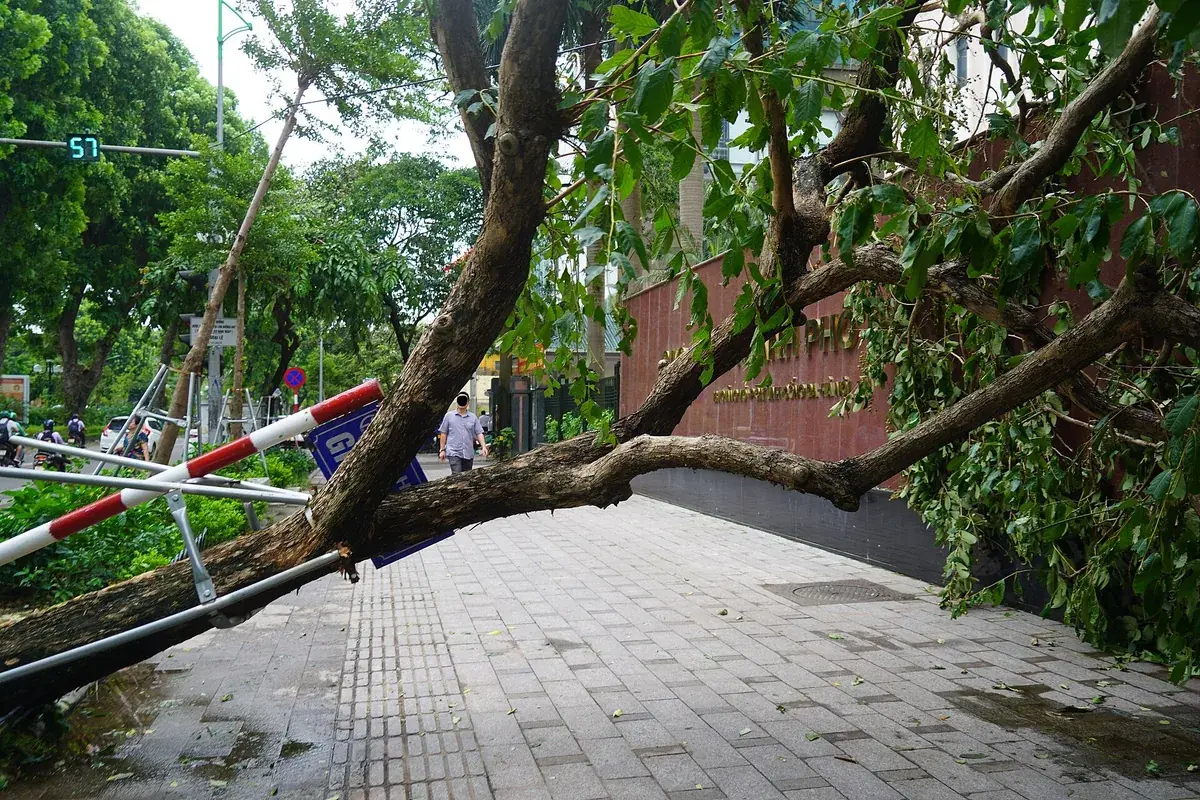
The embassy's weather alert of 17 June 2026 puts typhoon season from June to the end of November. That's 30 + 31 + 31 + 30 + 31 + 30 = 183 days, half the year. Moving inland doesn't get you out of it: the alert warns that places far from the coast can still get dangerous winds, tornadoes, flash floods and landslides. Which months matter for which coast is in our typhoon season article.
Before you fly: the pre-arrival declaration
The embassy's notice of 17 June 2026 says every international passenger without a Vietnamese passport arriving at a Vietnamese airport has to complete a pre-arrival declaration at prearrival.immigration.gov.vn, "upon arrival, or not more than three days before arrival", and show the QR code to immigration. Vietnam's own notices are narrower: the Ministry of Public Security calls it a pilot that began at Tan Son Nhat on 15 April 2026, voluntary in its first weeks, and Da Nang police said on 17 June that Da Nang had become the fourth airport in it, after Tan Son Nhat, Phu Quoc and Noi Bai. Follow the embassy anyway; it costs you one online form. If you land on 20 October, the earliest you can fill it in is 17 October. Do it the evening before you fly so the code is on your phone.
Theft, scams and drinks
The UK government's advice for Vietnam is written for British citizens, but these points are about places and situations rather than nationality.
- Violent crime against foreign visitors is rare; petty theft and pickpocketing happen regularly, and rise around Christmas and Tet.
- Motorbike thieves grab bags from people on foot; wear yours on your front, on the pavement side.
- On buses and trains there is a risk of theft, highest while you sleep on an overnight train.
- Never leave your passport as a deposit, for example with a motorbike rental shop.
- Free bus transfers from airports and stations may be scams unless you arranged them in advance. Pre-arranged transport or apps such as Grab or XanhSM are the suggested alternative.
- Methanol in alcoholic drinks has killed people, and some of those drinks came from licensed bars, shops and hotels where tourists go. You can't detect it by taste or smell.
- Vapes are banned, both on sale in Vietnam and in your luggage.
- Change money only at an official exchange counter with a sign saying so.
A traveler answering a solo-safety question on r/VietNam in September summed up the same list:
"Vietnam is safe, a lot safer than some 'western' country for sure. Just petty theft, scams and bad traffic."
u/IWantAnotherPetRock on r/VietNam, 23 September 2026
Roads
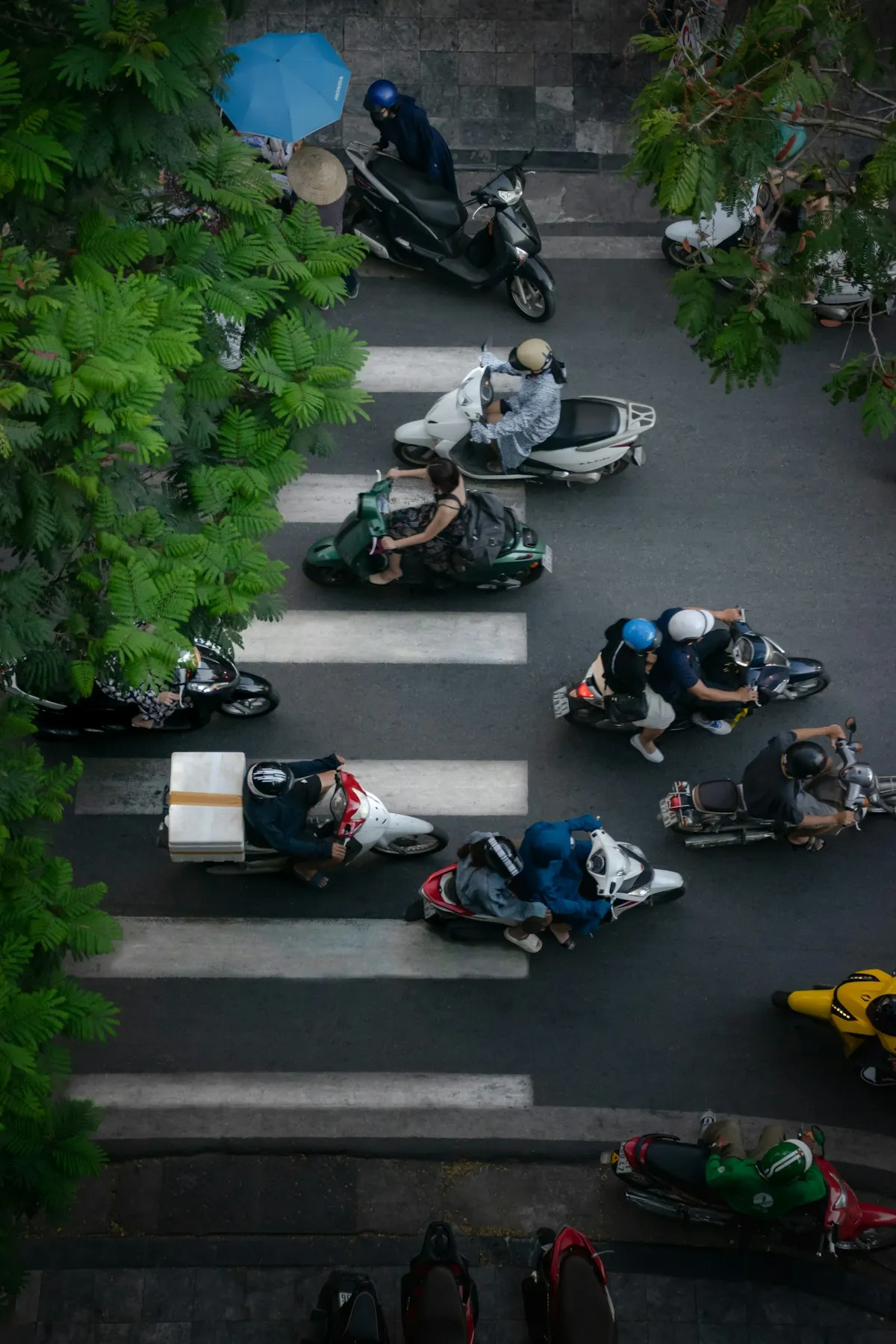
The law makes riders and passengers wear helmets. Crashes on motorbikes are common, and the UK advice says not to hire one unless you are an experienced rider. A driver tested with any alcohol at all in their system can be fined and may be jailed.
Whether a US international driving permit is recognised is a separate question, covered in our driving permit article. If yours isn't, use Grab or a taxi; it's cheaper than a crash.
If something goes wrong
- US Embassy Hanoi: +84-24-3850-5000
- US Consulate General Ho Chi Minh City: +84-28-3520-4200
- State Department, from abroad: +1-202-501-4444; from the US and Canada: +1-888-407-4747
- Vietnam emergency numbers: ambulance 115, fire 114, police 113, national search and rescue 112. The UK advice notes they are operated in Vietnamese only.
The UK advice wants your insurance to pay for an air ambulance, repatriation and all medical bills, including for conditions you already have. The embassy's notices tell Americans to enroll in STEP, the State Department's free Smart Traveler Enrollment Program, for "security, travel, and weather or disaster-related updates"; USAGov adds that once you register a trip, STEP emails you news, alerts and advisories for that country. For health, see the Vietnam health and safety page, and for entry rules the visa page, the e-visa guide for US citizens and what to do if the e-visa goes wrong.
Our take: is Vietnam safe for Americans?
Go. The risks an American is likeliest to meet are ordinary ones: a snatched phone, a bad drink, a motorbike crash. The one that's different for Americans is the drug rule, because what's legal in your state before you fly can still get you arrested after you land, so don't carry it and don't use it there. Enroll in STEP, fill in the pre-arrival form, skip the motorbike unless you ride at home, and from June to November keep a day of slack in the plan for weather.
What we could not confirm
We read the State Department advisory's summary through its data feed, not the full advisory page with its risk indicators, which travel.state.gov blocks. The STEP sign-up site (step.state.gov now forwards to mytravel.state.gov) blocked us too on 30 October 2026, so what STEP does comes from the embassy notice and USAGov. We have no crime statistics, so we don't rank Vietnam against other countries. The UK points are written for British citizens, and the embassy's own position on them is not in the pages we read.
How we checked this
On 13 October 2026 we re-read the US Embassy's alerts page and the five safety alerts and notices it lists since June 2026 (the 28 August narcotics alert, the 17 June weather alert and pre-arrival notice, the 20 July Worldwide Caution and the 10 September Ho Chi Minh City alert; the page also lists two consular-service notices from September), tried travel.state.gov again, and re-read the UK government's Vietnam advice on safety, health and getting help. We read an r/VietNam thread on solo safety and quote one reply. The article now rests on 15 source pages, counted from the table kept with this article (photo credits left out): 6 embassy pages, the State Department feed, 3 UK pages, USAGov, 2 Vietnamese government pages, Viet Nam News and the Reddit reply.
On 14 October 2026 we added Vietnam's own notices on the pre-arrival declaration, from the Ministry of Public Security (11 May 2026) and Da Nang police (17 June 2026), next to the embassy's.
On 21 October 2026 we re-read the alerts page: it still carries the Level 1 banner, and the newest item is still the 16 September consular notice, so the alerts above are the current ones. travel.state.gov blocked us again.
On 22 October 2026 we read the Vietnam advisory's title, issue date and summary from the State Department's public travel advisory feed (cadataapi.state.gov), which links each entry to its travel.state.gov page.
On 30 October 2026 we re-read the alerts page (still Level 1), the pre-arrival notice, the UK advice (last changed 21 September 2026, every UK quote unchanged) and USAGov's STEP page, which also confirms that Level 1 is the lowest of four levels. We reworded lines that repeated the UK and embassy wording.
References
- US Embassy and Consulate in Vietnam, alerts for US citizens
- US State Department, Vietnam travel advisory, issued 23 June 2026, read from the public feed (the page the feed links to blocks our requests)
- US Embassy, security alert on narcotics use and possession, 28 August 2026
- US Embassy, weather alert on typhoon and tropical cyclone seasons, 17 June 2026
- US Embassy, notice on the pre-arrival declaration, 17 June 2026
- Ministry of Public Security of Viet Nam, Immigration Department launches the PAI system (11 May 2026, Vietnamese)
- Da Nang City Police, PAI pilot at Da Nang International Airport (17 June 2026, Vietnamese)
- US Embassy, Worldwide Caution security alert, 20 July 2026
- US Embassy, security alert on the Le Duan Street entrance, 10 September 2026
- UK FCDO travel advice for Vietnam: safety and security, health and getting help
- Smart Traveler Enrollment Program (STEP) (it now forwards to mytravel.state.gov, which blocked our requests on 2026-10-30); described on USAGov, travel advisories and STEP (updated 26 March 2026)
Photo (cover): Ryan Le / Unsplash
About the author

Pen name for the getting-around beat: trains, flights, airports, visas and entry rules, health and safety. Journeys are computed from the operator's own timetable.
Keep reading
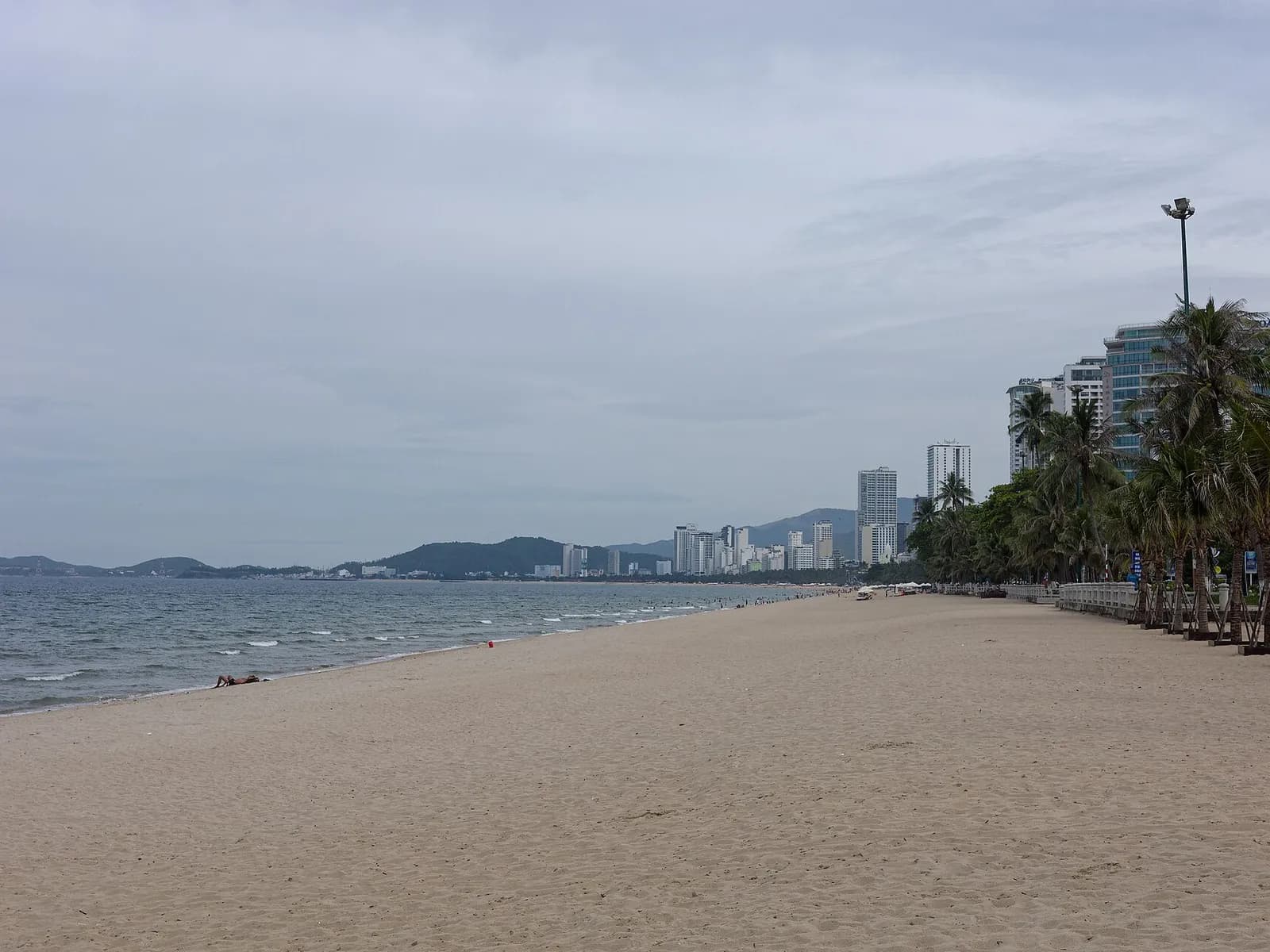
Vietnam typhoon season 2026: which months hit which coast
Guides · 5 min
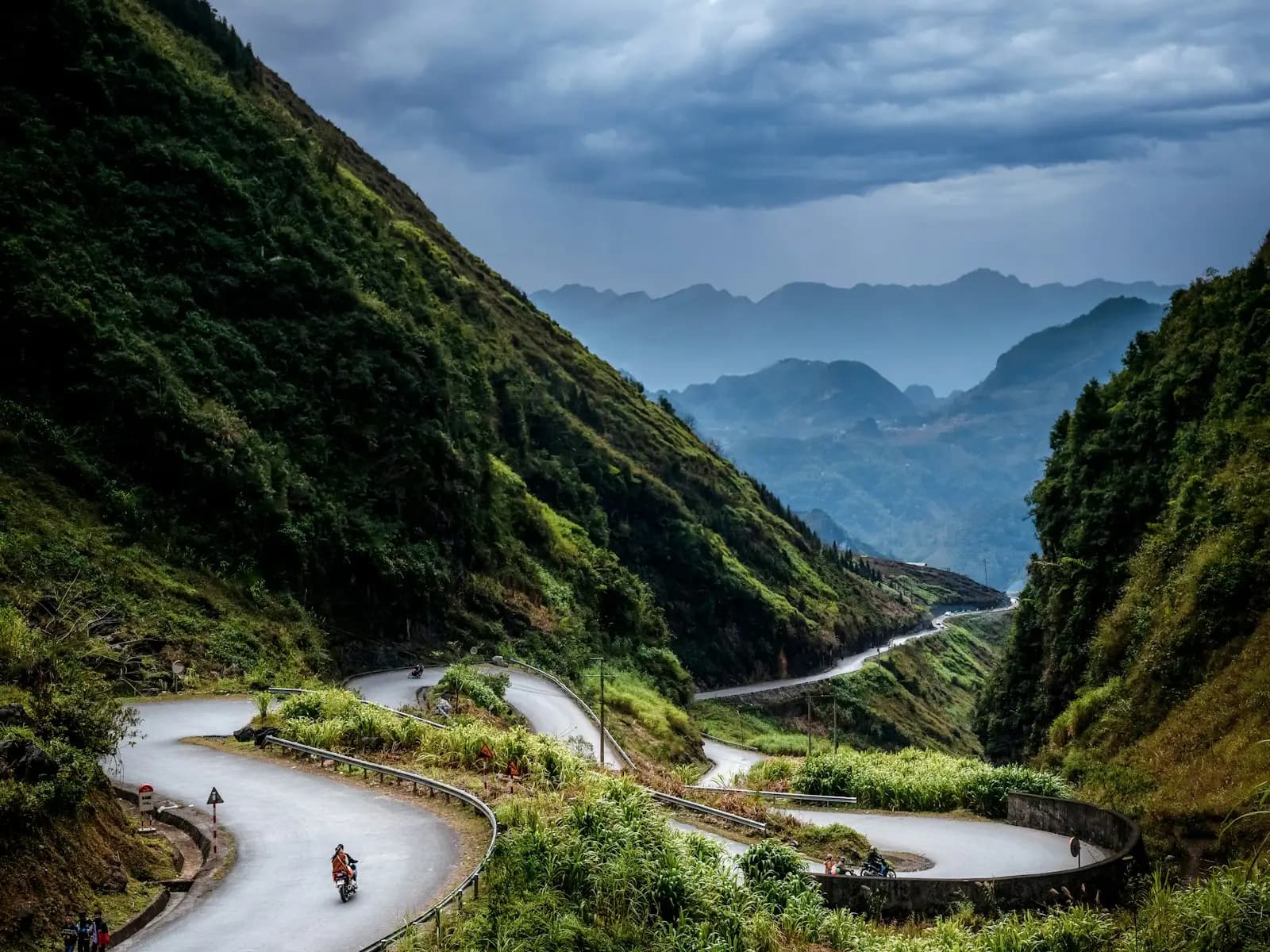
International driving permit in Vietnam: who is covered
Guides · 5 min
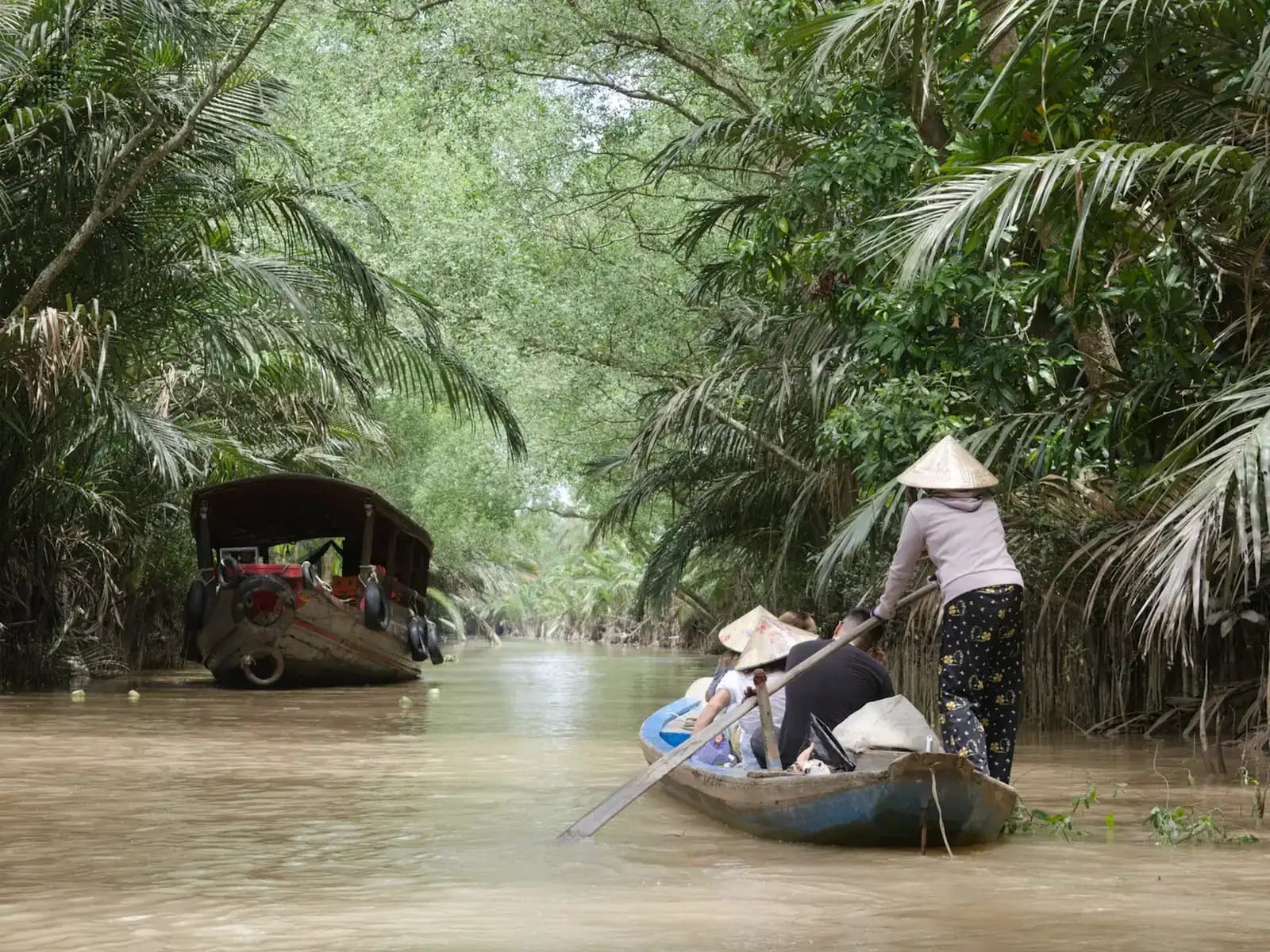
Vietnam weather in November: dry places and wet places
Guides · 5 min
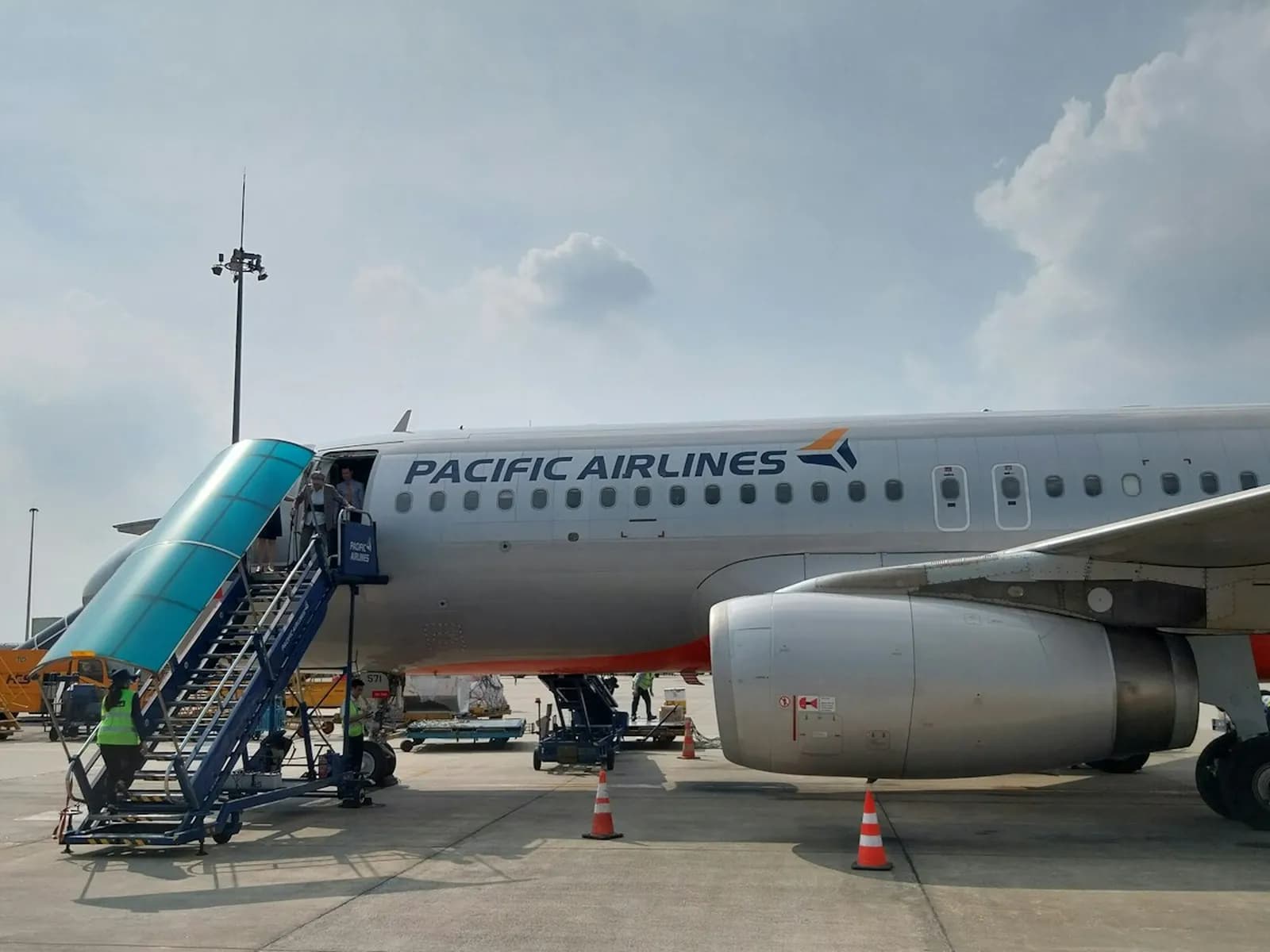
Vietnam travel requirements for US, UK and EU passports
Guides · 5 min
The driest month in Vietnam, from Sa Pa down to Phu Quoc
Guides · 5 min
Vietnam airports by destination: the closest airport to each
Guides · 5 min
Vietnam e-visa for US citizens: the fee and the limits
Guides · 5 min

Which passports enter Vietnam visa-free for 45 days
Guides · 5 min
Disclaimer
This article is general information, not legal, immigration, medical or financial advice. Prices, visa rules and transport schedules change, and each figure shows the month we last verified it. Confirm anything that affects your trip (entry requirements, fees, health rules) with the official government or provider source before you book or travel. The site has no affiliate links today; our affiliate disclosure explains what we will do if that changes.