Best time to visit Sa Pa: cold fog, wet summers and sun
Sa Pa's best trekking months are the shoulders: March, April, October and November.
VerdictTrek in March, April, October or November; go in winter only for the cold and the fog.
The best time to visit Sa Pa depends on two halves of the year: a cold, foggy winter from November to April and a wet summer from May to September. January has a mean of 8.6°C and 17.4 fog days. July has 461 mm of rain on 25.6 rain days. The numbers come from the Sa Pa town station, listed at 1,570 m in the regulation's station table.
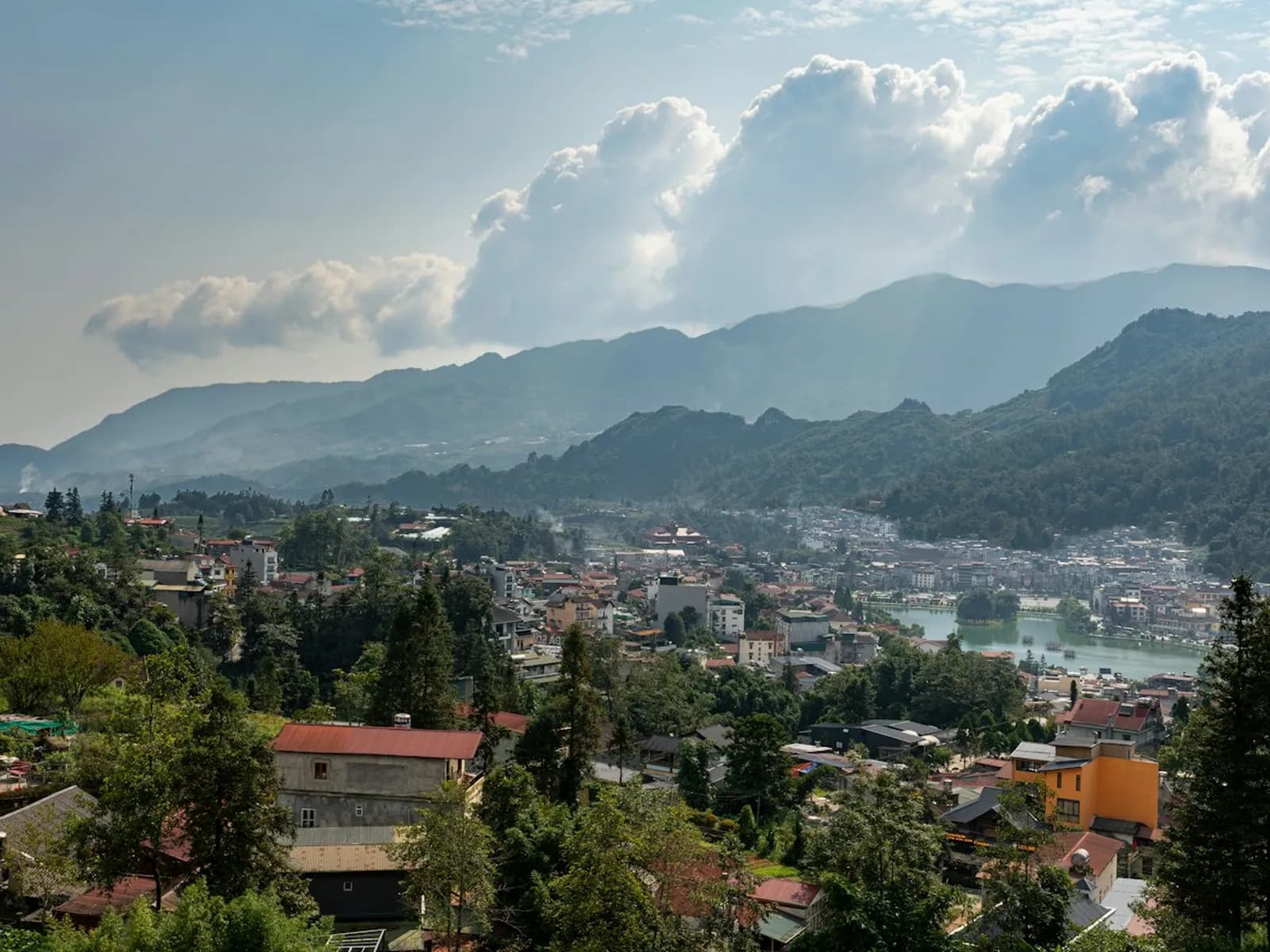
The twelve months
| Month | Mean °C | Low to high °C | Rain mm | Rain days | Drizzle days | Fog days | Sun hours |
|---|---|---|---|---|---|---|---|
| Jan | 8.6 | 6.2 to 12.3 | 70.2 | 16.3 | 14.1 | 17.4 | 113.3 |
| Feb | 10.4 | 7.8 to 14.3 | 73.5 | 16.3 | 13.8 | 16.9 | 115.6 |
| Mar | 13.9 | 10.8 to 18.2 | 104.5 | 15.7 | 10.7 | 15.3 | 151.2 |
| Apr | 17.1 | 14 to 21.3 | 213.3 | 17.9 | 6.7 | 10.8 | 167.8 |
| May | 18.9 | 16.3 to 22.4 | 340.6 | 22.2 | 2.1 | 5.6 | 148.1 |
| Jun | 19.8 | 17.6 to 22.9 | 381.4 | 24.4 | 0.6 | 3 | 98.9 |
| Jul | 19.8 | 17.7 to 23 | 461 | 25.6 | 0.2 | 1.4 | 104.1 |
| Aug | 19.5 | 17.4 to 23 | 451.9 | 23.4 | 0.1 | 1.9 | 114.2 |
| Sep | 18.2 | 15.9 to 21.7 | 303.1 | 19.8 | 1.8 | 2.8 | 101.7 |
| Oct | 15.7 | 13.7 to 19 | 201.3 | 18.6 | 5.6 | 7.8 | 94 |
| Nov | 12.5 | 10.2 to 16.1 | 106.3 | 13.8 | 7.7 | 11.3 | 112.5 |
| Dec | 9.4 | 7 to 13.2 | 65.7 | 13.5 | 9.7 | 13.3 | 121 |
November to April: cold, foggy and drizzly
From November to April every month has 10 or more fog days, the threshold we use on this site to call a month foggy: 11.3 in November, 13.3 in December, 17.4 in January, 16.9 in February, 15.3 in March and 10.8 in April. January and February also have 14.1 and 13.8 drizzle days.
December, January and February are the coolest months at 9.4°C, 8.6°C and 10.4°C. In Fahrenheit, 8.6°C is about 47°F. The daily low reaches 6.2°C in January. Rain totals are modest, 65.7 mm in December and 70.2 mm in January, but they come on 13.5 to 16.3 rain days, so a low millimetre figure does not mean a dry day. The Sa Pa in winter guide covers this stretch in more detail.
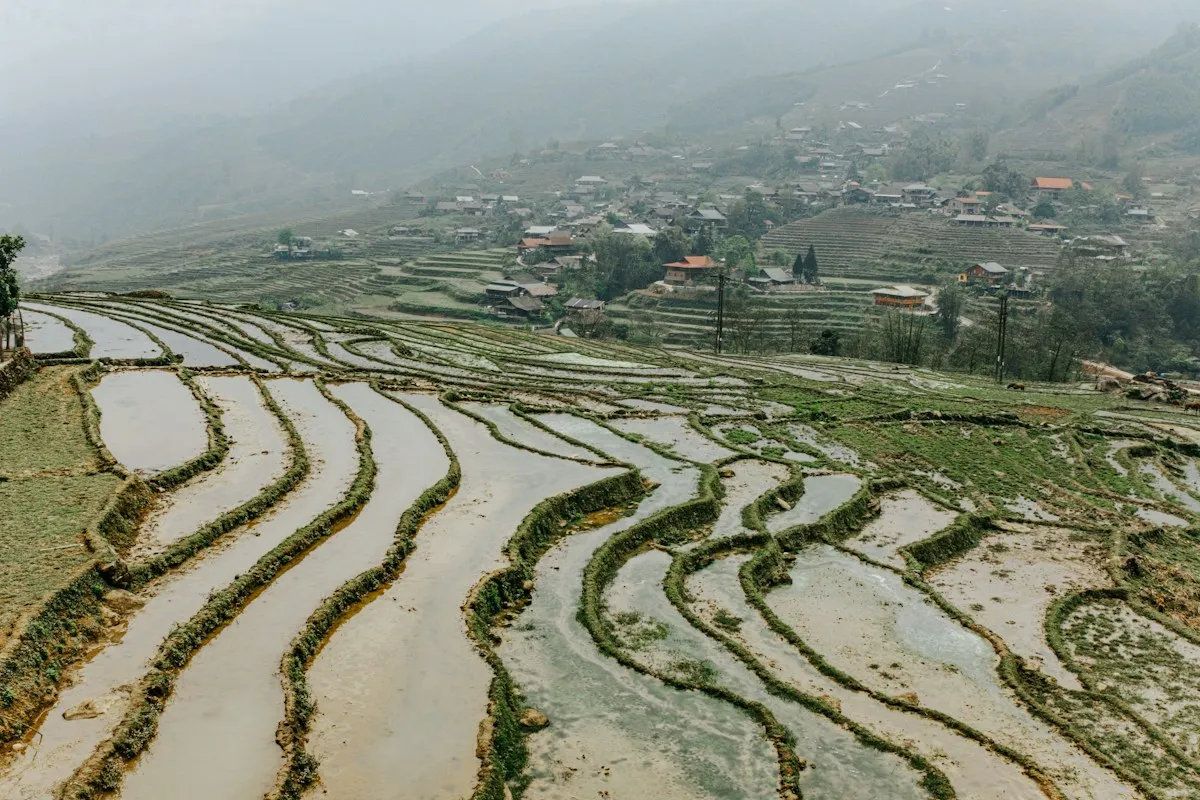
How cold does Sa Pa get?
The record low at the Sa Pa station is -4.2°C, in January. December's record is -3.2°C, February's -1°C and March's -3.5°C, so frost-level cold is possible across four months, even though the monthly means stay above 8°C. Sa Pa is the only station on our map with a record below freezing.
The air is damp all year. Mean relative humidity runs from 82.1% in March to 90.8% in October, and it stays above 85% in every month from June to February. Winter air is still, too: the mean wind speed is 2 m/s in January and 1.6 m/s in December.
This Vietnam Today report shows cherry blossoms drawing visitors to Sa Pa.

May to September: the wet summer
May has 340.6 mm and every month from May to September passes 250 mm, the threshold we use to call a month wet. June has 381.4 mm, July 461 mm, August 451.9 mm and September 303.1 mm. July has the most rain days at 25.6, and June has 24.4. Fog is rare by then, with 1.4 days in July.
The mean temperature is 19.8°C in June and July, the warmest months, and the daily high reaches 23°C. October has the fewest sun hours at 94, and June has 98.9. April is the sunniest month at 167.8 hours.
Storms come before the summer peak. Thunderstorm days are highest in April at 11.7 and May at 10.7, and they fall to 0.2 in December. The largest one-day rainfall on record is 336.4 mm, in June, and August's one-day record is 250 mm.
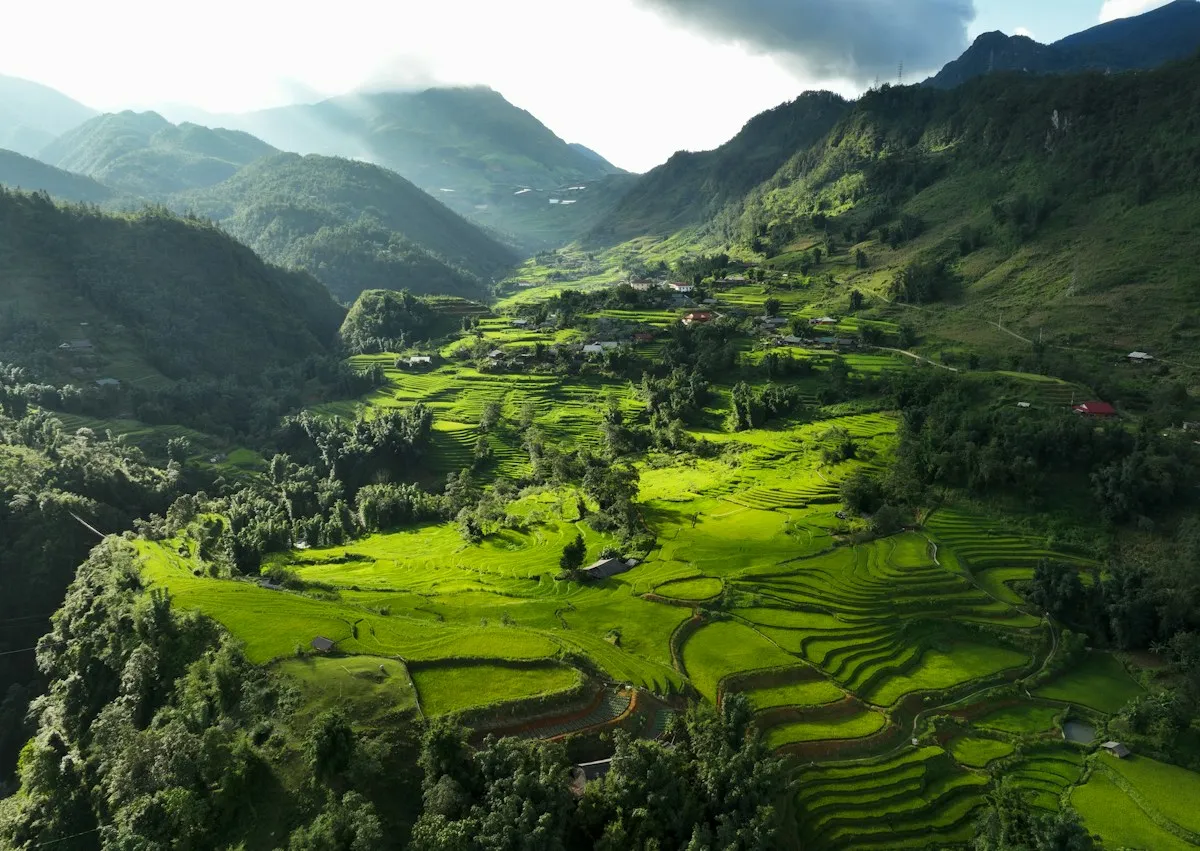
The turning months
March and April are the change. Rain rises from 104.5 mm in March to 213.3 mm in April, while fog days fall from 15.3 to 10.8 and drizzle days from 10.7 to 6.7. October and November are the same change in reverse: 201.3 mm in October and 106.3 mm in November, with fog days rising from 7.8 to 11.3.
Getting there, and what the station is
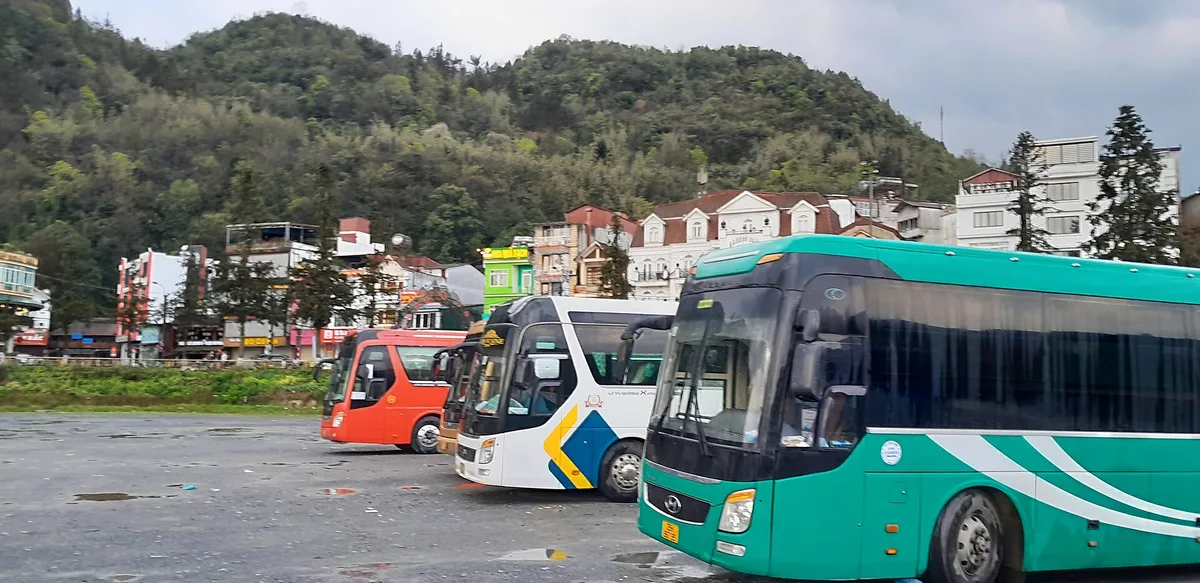
On 24 October 2026 the Vietnam Railways timetable for the Hanoi to Lao Cai line listed three train numbers from Hanoi: SP7, SP3 and SP15. The Hanoi to Sa Pa guide covers the night train and the road from Lao Cai.
The coldest places ranking puts Sa Pa next to the other stations, and the fog days guide compares it with three other northern places.
Asked how to get from Hanoi to Sa Pa, one r/VietNam user warned about the road:
"Honestly, if you're prone to motion sickness, stay far away from the sleeper buses to Sapa. The drivers take those mountain bends pretty aggressively, and the constant swerving is a one-way ticket to nausea town."
u/Gamepham on r/VietNam
Our take
March, April, October and November are the months we'd pick for trekking. They avoid the heaviest rain of June to August and the foggiest months, January and February. April has the most sun of the year at 167.8 hours, though it also has the most thunderstorm days. Go in winter for the cold and the fog, and pack for temperatures near freezing. Go in summer only if you accept rain on most days.
How we checked this
The figures come from 14 tables of QCVN 02:2022/BXD for the Sa Pa station, and the train numbers from the Vietnam Railways timetable page. We matched each value against these sources on 8 October 2026, rechecked the train numbers on 24 October 2026, and removed the airport distances that we had computed ourselves. Last reviewed: 8 October 2026.
What this does not tell you
The station is in Sa Pa town. Trails and villages at other heights will have different conditions. The regulation behind the table does not state its observation period, and it does not define a "rain day". The numbers are averages and say little about a particular week. The Sa Pa page has the same table with a chart.
References
- QCVN 02:2022/BXD, National technical regulation on natural physical and climatic data for construction: https://datafiles.chinhphu.vn/cpp/files/vbpq/2022/10/02-bxd.pdf. Checked 2026-10-08.
- Vietnam Railways, timetable Hà Nội - Lào Cai: https://giotaugiave.dsvn.vn/giotau/diaphuong.aspx?option=2&tuyen=5. Checked 2026-10-24.
Photo (cover): I P / Unsplash
Data checked: October 2026.
About the author

Pen name for the weather and climate beat: rain, temperature, typhoons and when to go. Every comparison is built from official station records.
Keep reading
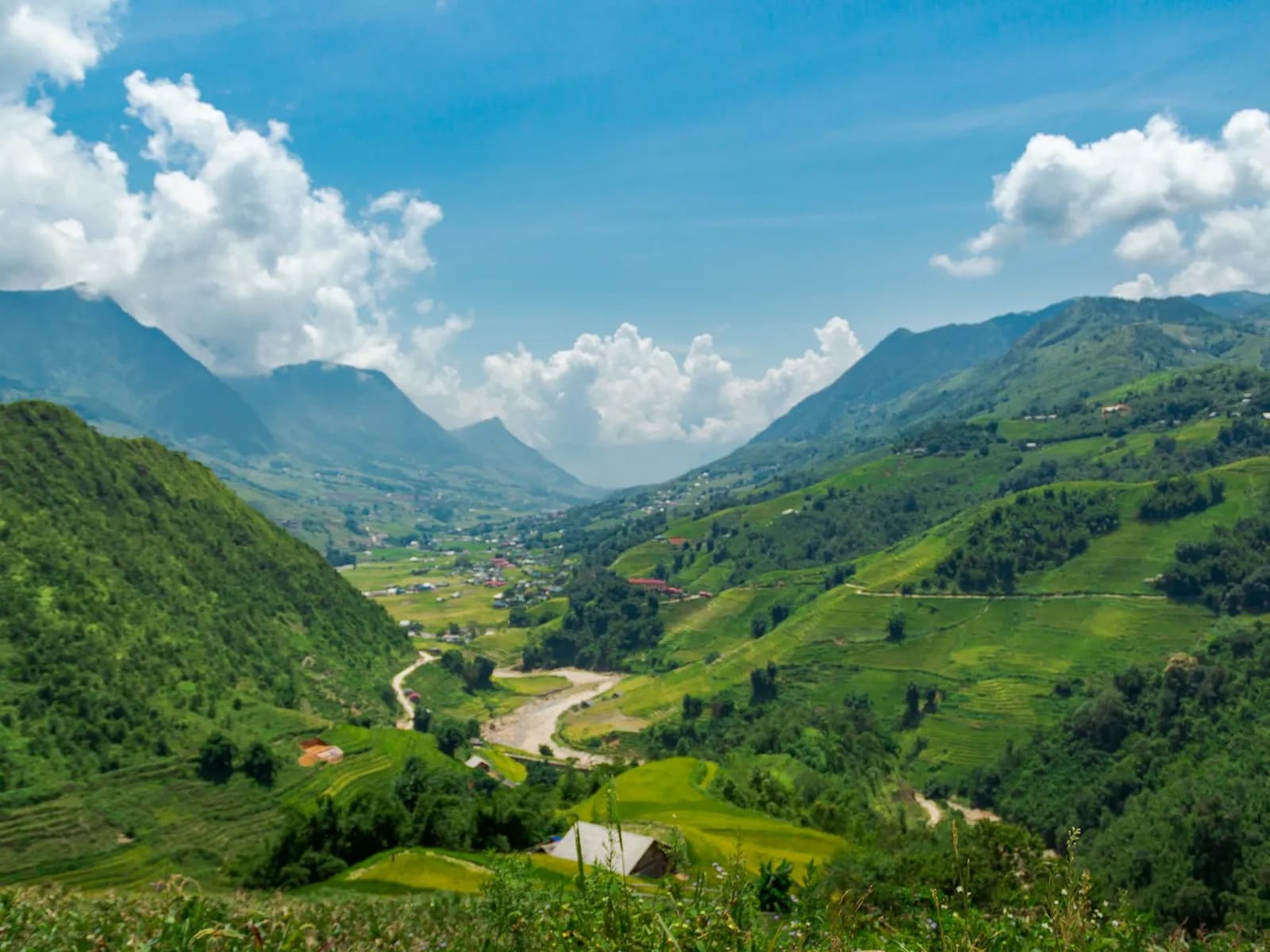
Hanoi to Sa Pa: night train times, fares and the bus option
Guides · 5 min
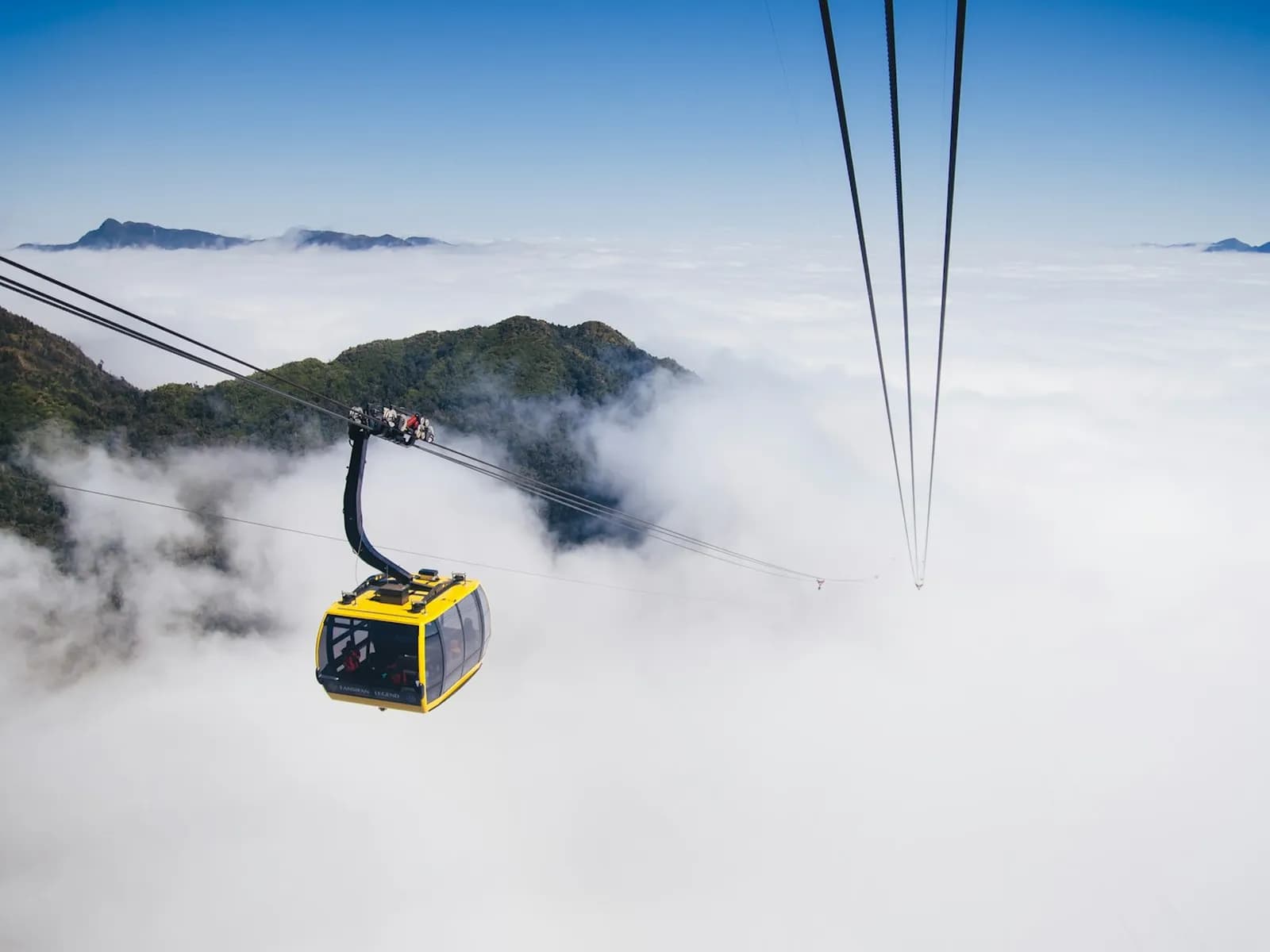
Sa Pa in winter: little rain, but a lot of fog and drizzle
Guides · 5 min
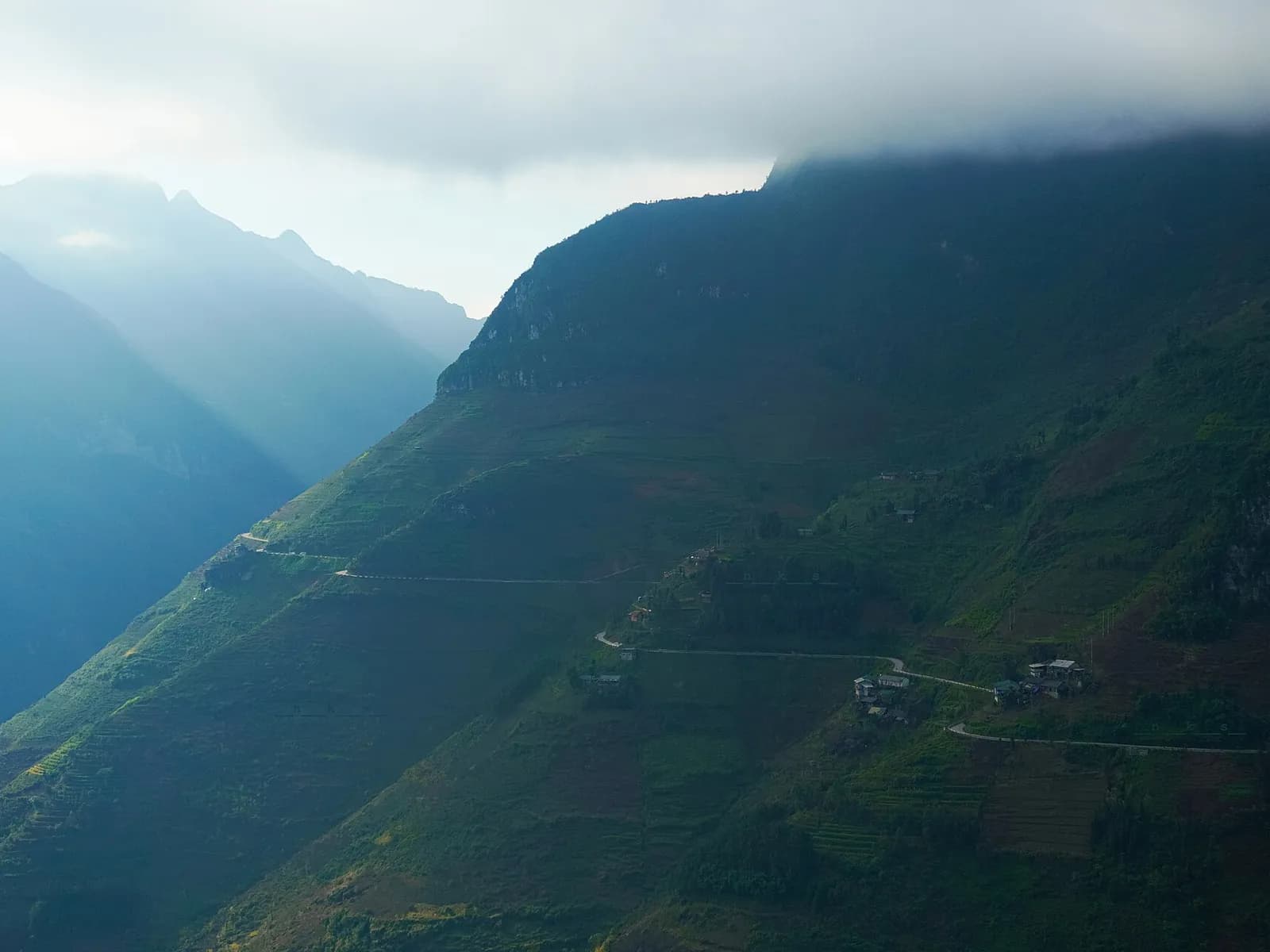
Where fog days matter in Vietnam: Sa Pa, Ha Giang, Ha Long
Guides · 5 min
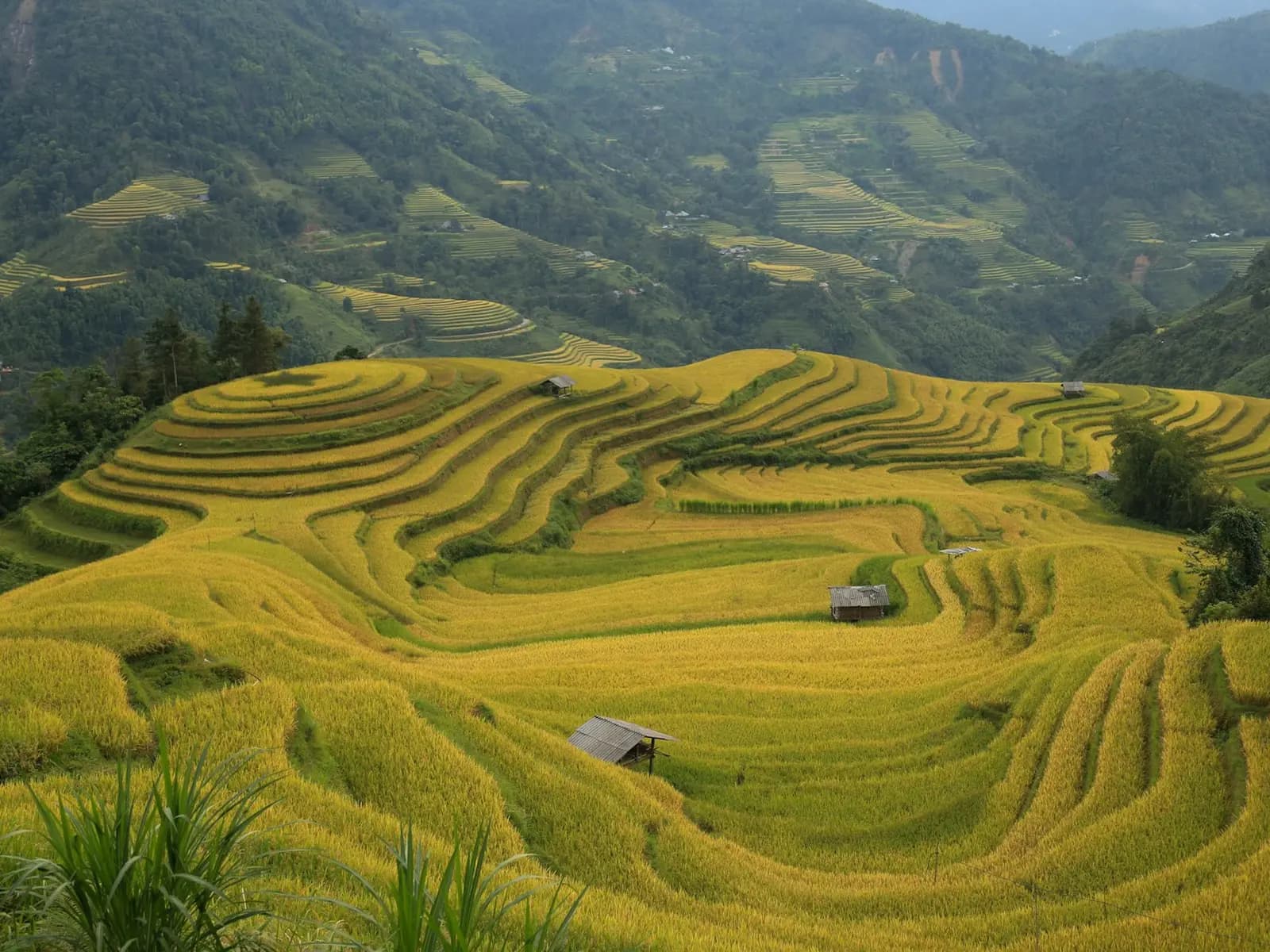
Ha Giang loop weather in autumn: rain, cold snaps, storms
Guides · 5 min

Ha Long Bay weather in winter: temperatures and fog months
Guides · 5 min

Vietnam typhoon warning: which official sources to follow
Guides · 5 min

North vs south Vietnam weather: Hanoi and the Mekong Delta
Guides · 5 min

The coldest places in Vietnam, and when nights turn cold
Guides · 5 min
Disclaimer
This article is general information, not legal, immigration, medical or financial advice. Prices, visa rules and transport schedules change, and each figure shows the month we last verified it. Confirm anything that affects your trip (entry requirements, fees, health rules) with the official government or provider source before you book or travel. The site has no affiliate links today; our affiliate disclosure explains what we will do if that changes.