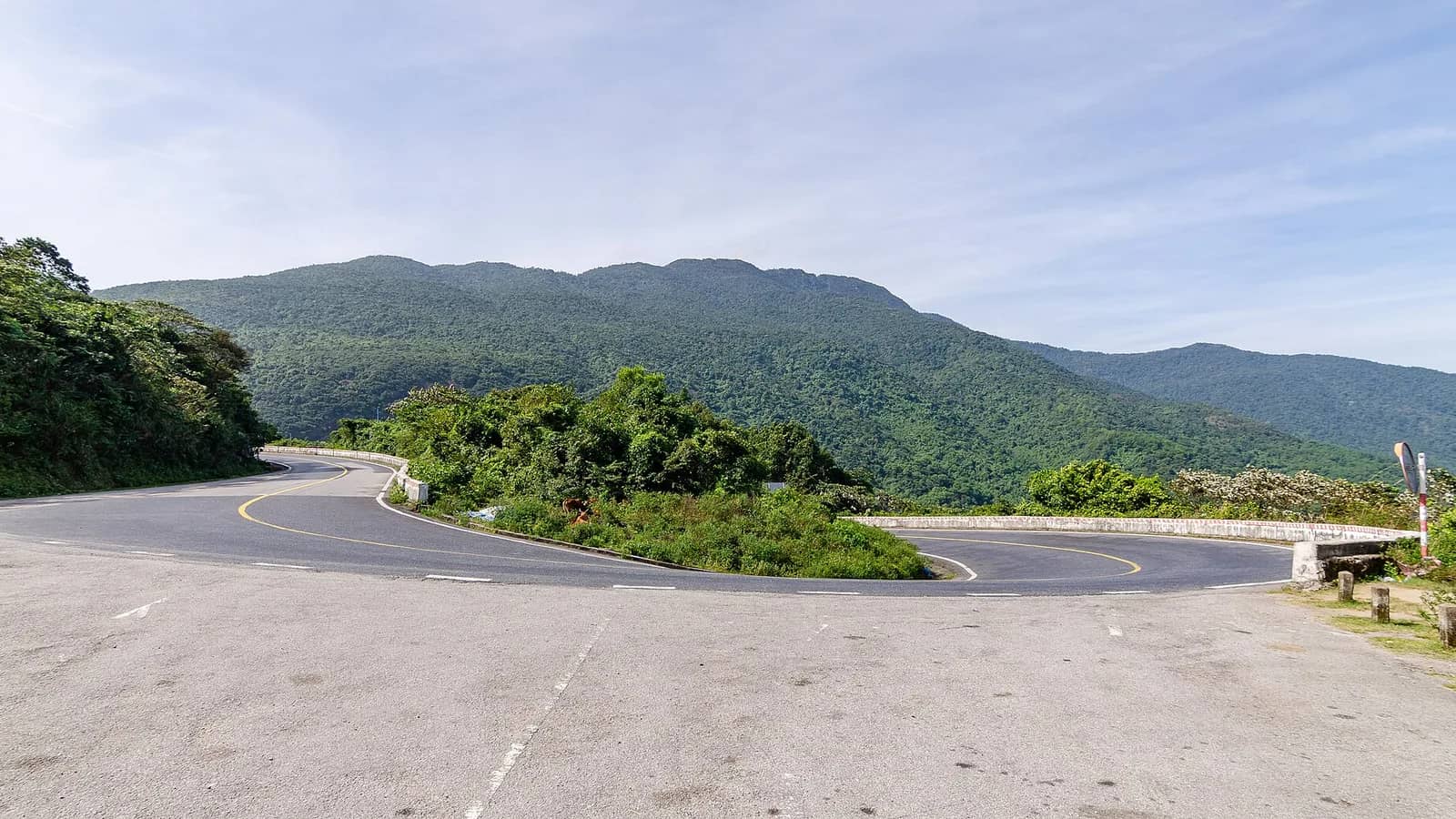
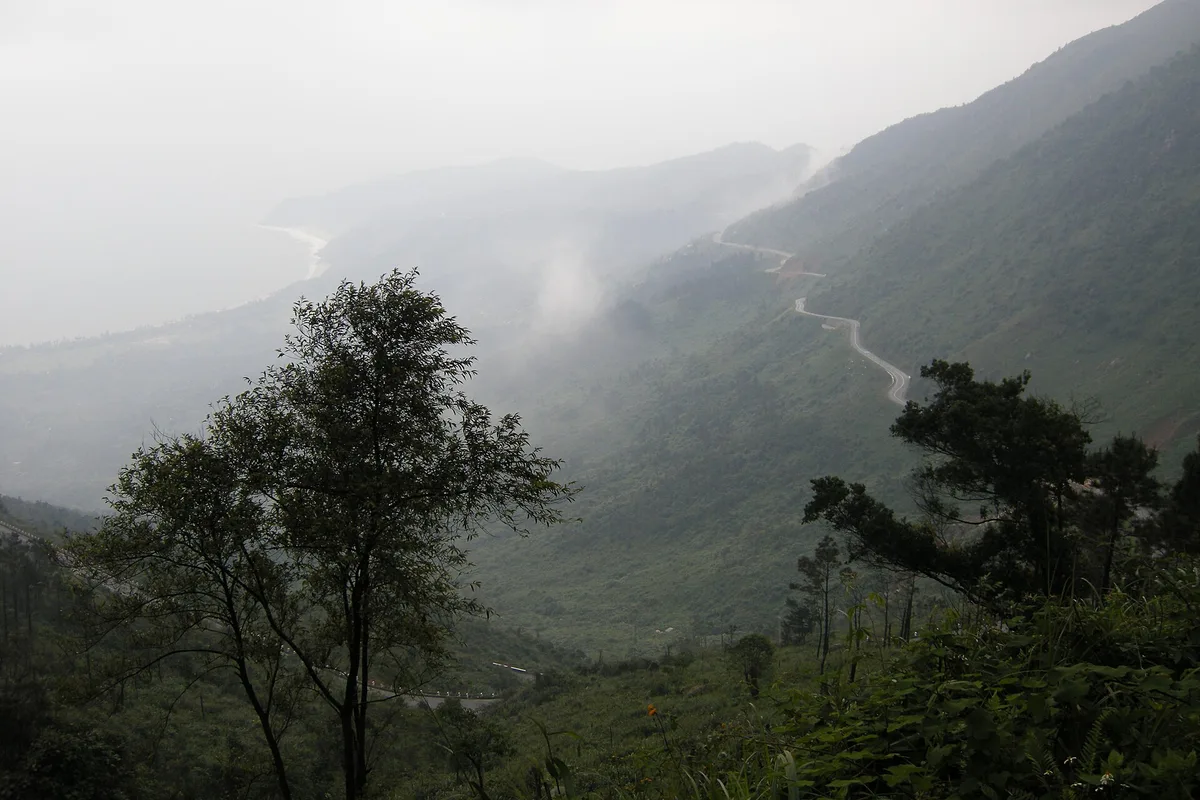
Go if the morning is clear, and go over the top: the tunnel is about 20 minutes faster and shows you nothing. Hai Van Pass is the old road between Da Nang and Hue, climbing to about 500 m roughly 20 km north of downtown Da Nang. The name means "Sea of Clouds", and the cloud is the catch, because the city's tourism portal warns that from September to December the road gets slippery and foggy. At the summit, Hai Van Gate has charged VND 70,000 a visit since 2 June 2026, after almost two years of free entry that followed its restoration.
What to look for
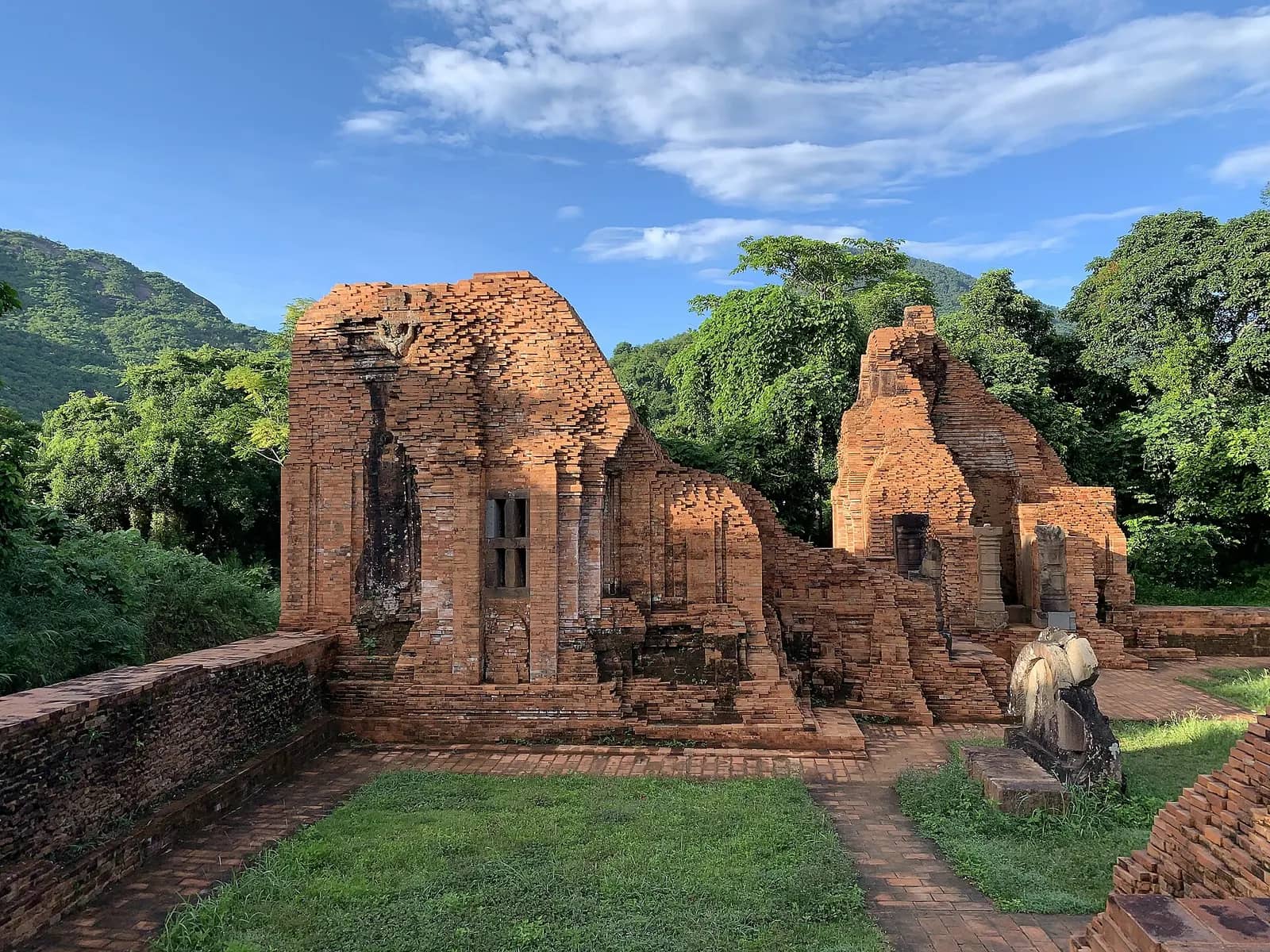
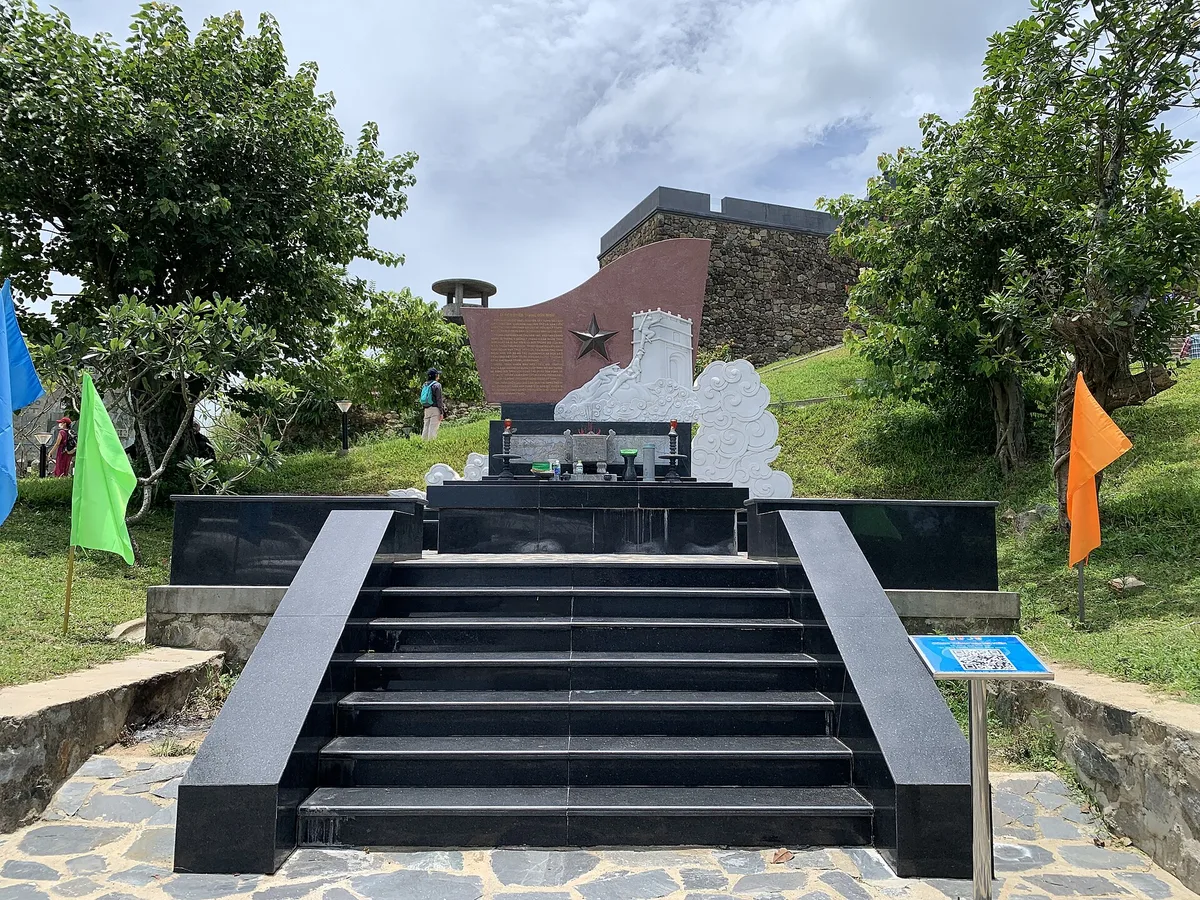
Hai Van Gate. Emperor Minh Mang built it in 1826 on the base of an older Tran-era fort, at nearly 496 m. The side facing Hue reads "Hai Van Quan"; the side facing Da Nang reads "Thien ha de nhat hung quan", the most majestic gateway under heaven. Between 1945 and 1975 soldiers added watchtowers and bunkers on top of both gates, and the 2024 restoration put back the walls, the gates and the stone steps. It's the one stop on the pass we'd pay for.
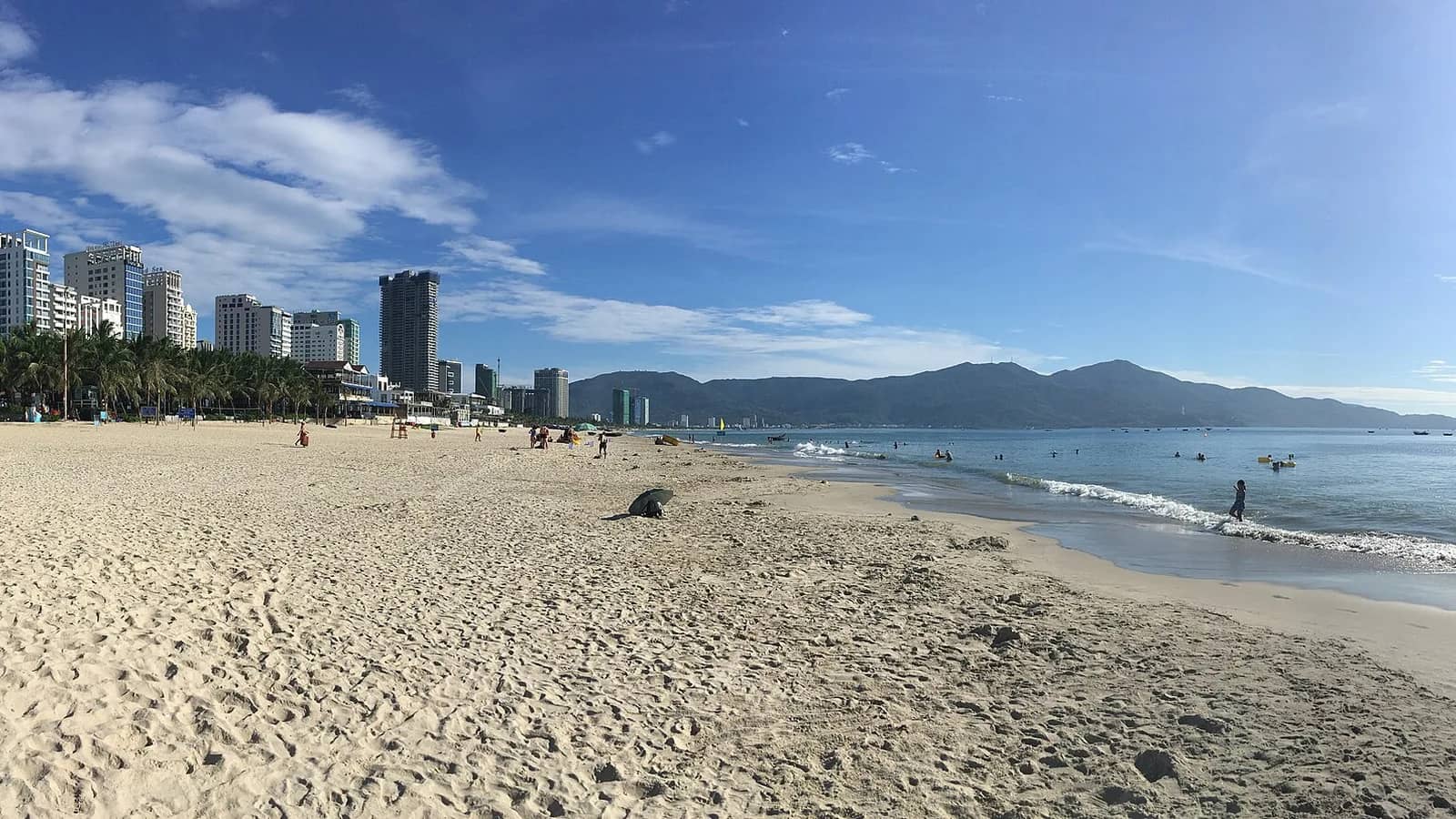
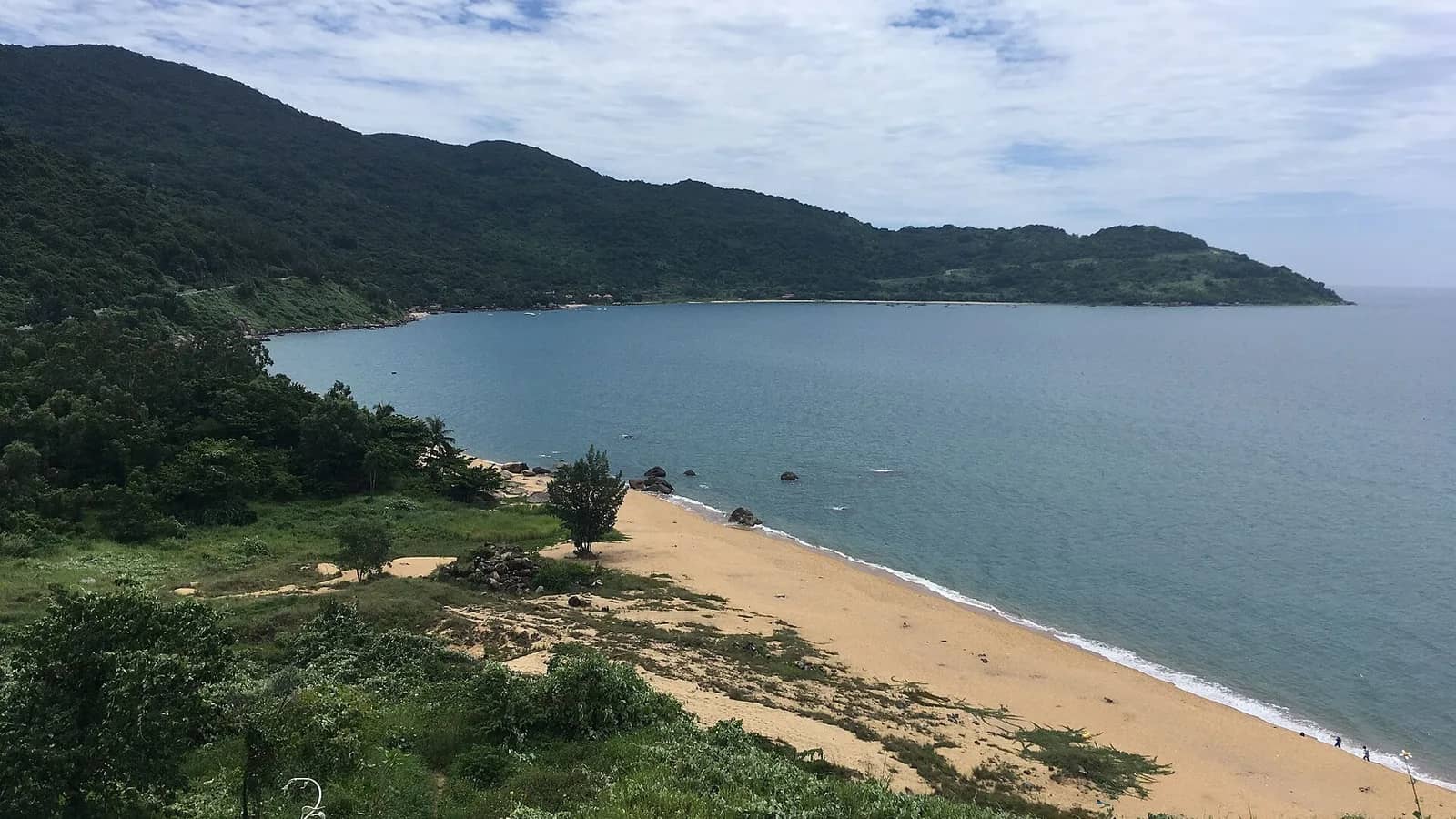
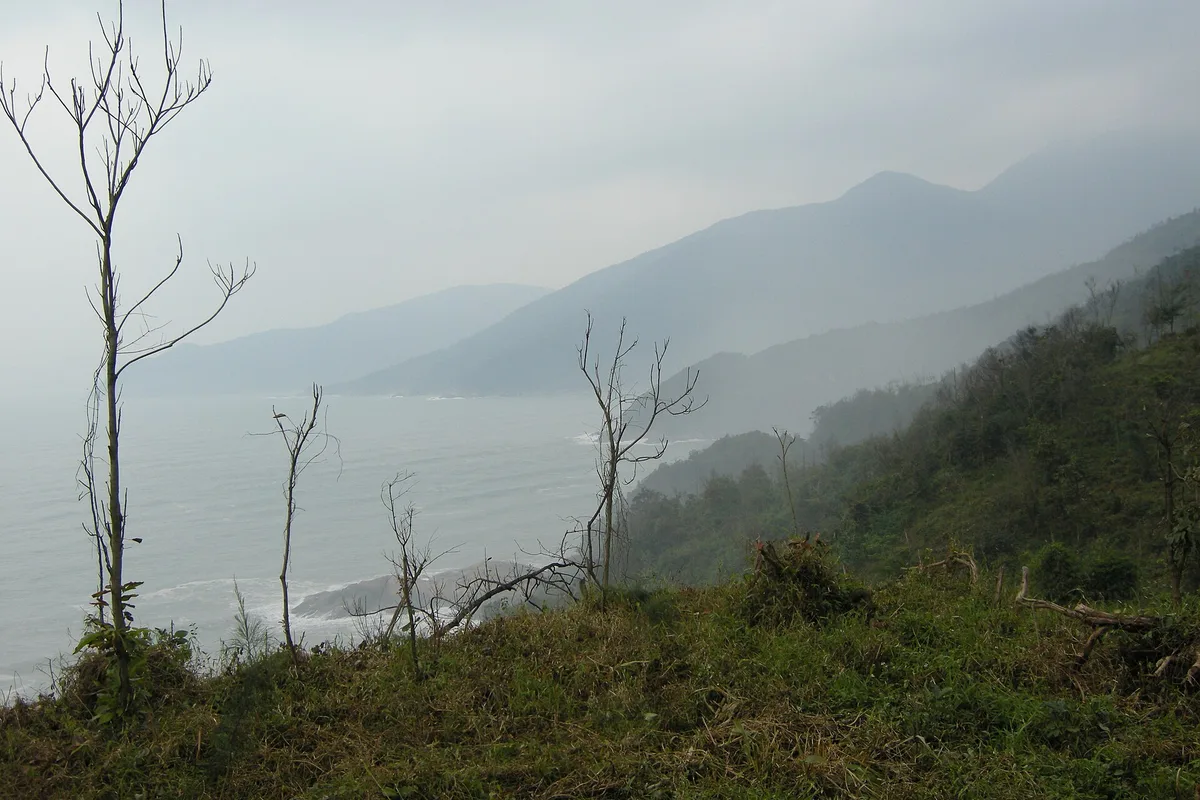
The two views. The first bends up from Da Nang look back over Da Nang Bay and the Son Tra Peninsula. From the top, Lang Co Bay curves away to the north past fishing villages and Lap An Lagoon. On a clear day we'd spend longer on the north side. Top Gear made the road famous in its 2008 Vietnam special, when Jeremy Clarkson called it "a deserted ribbon of perfection".
The railway below you. The French ran a railway across Hai Van in the early 20th century, and it still hugs the mountainside through tunnels and over old viaducts such as the Don Ca bridge, four stone arches built between 1902 and 1906.
Hours and fees
| Hai Van Gate | Detail |
|---|---|
| Ticket | VND 70,000 a visit, same price for Vietnamese and foreign visitors |
| Children under 1.2 m | Free |
| Residents of Hue and Da Nang | Half price |
| Hours | 07:00 to 17:30 every day |
| This fee applies until | 31 December 2028 |
A visit worked out. Two adults and a child under 1.2 m pay VND 140,000 at the gate. The gate opens at 07:00, and the city's portal suggests setting off at 6 or 7 in the morning for the sunrise light, or at 3 or 4 in the afternoon for sunset. If you pick the afternoon in October, the gate closes at 17:30, so you'd want to be at the top by about 16:30 to get an hour inside.
The city's 2025 guide to the pass still talks about free access. That holds for the road, not for the gate, which has charged since 2 June 2026.
Getting there
By motorbike. The tunnel doesn't take motorbikes, so riders go over the pass anyway. The portal puts the 20 km climb at 45 to 60 minutes and says to stay off it at night and in thick fog. You'll need a licence that's valid in Vietnam; our international driving permit guide explains which permits count.
By car. About 30 minutes from Da Nang to the summit. The 6.2 km road tunnel (2005, with a second tube added in 2021) takes about 10 minutes against nearly 30 over the top, and most intercity buses use it, so tell your driver you want the pass road. By the OSRM router, the drive from the Dragon Bridge to the gate is 29.6 km and about 29 minutes.
By train. The "Central Heritage Connection" service, run since 2024 by Vietnam Railways with Hue and Da Nang, has two trains a day each way between the two cities, stopping at Lang Co:
| Train | Leaves | Lang Co | Arrives |
|---|---|---|---|
| HĐ2 | Da Nang 07:50 | 09:16 | Hue 11:05 |
| HĐ4 | Da Nang 15:00 | 16:26 | Hue 17:45 |
| HĐ1 | Hue 07:45 | 09:12 | Da Nang 10:35 |
| HĐ3 | Hue 14:25 | 16:22 | Da Nang 17:40 |
Sit on the right from Da Nang, or on the left from Hue, for the sea. The 07:50 is 1 hour 26 minutes to Lang Co. The train won't take you to the gate, but it's the calmest way to see the coast when the road is wet.
Nearby
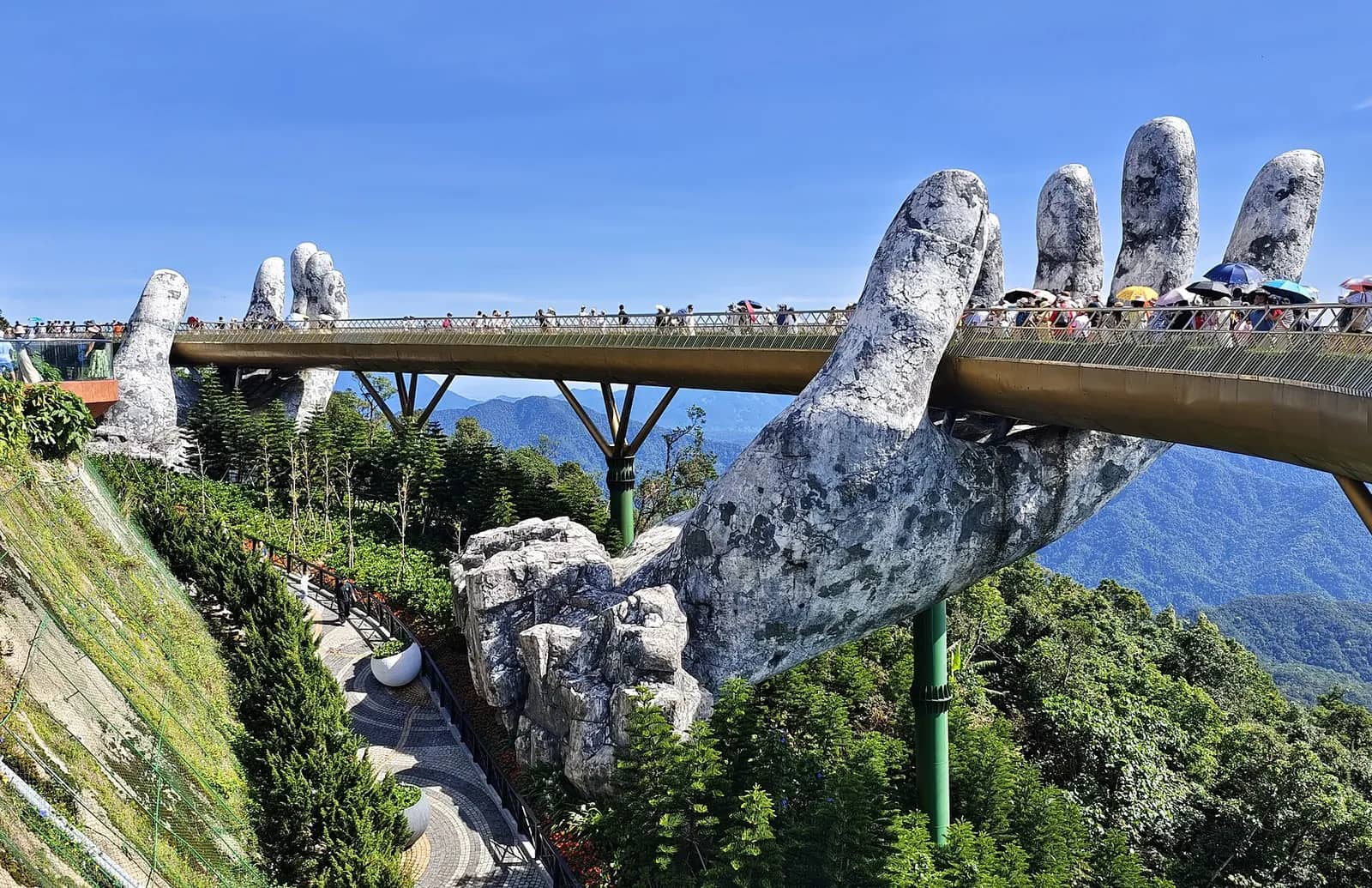
- Dragon Bridge: about 17.4 km in a straight line.
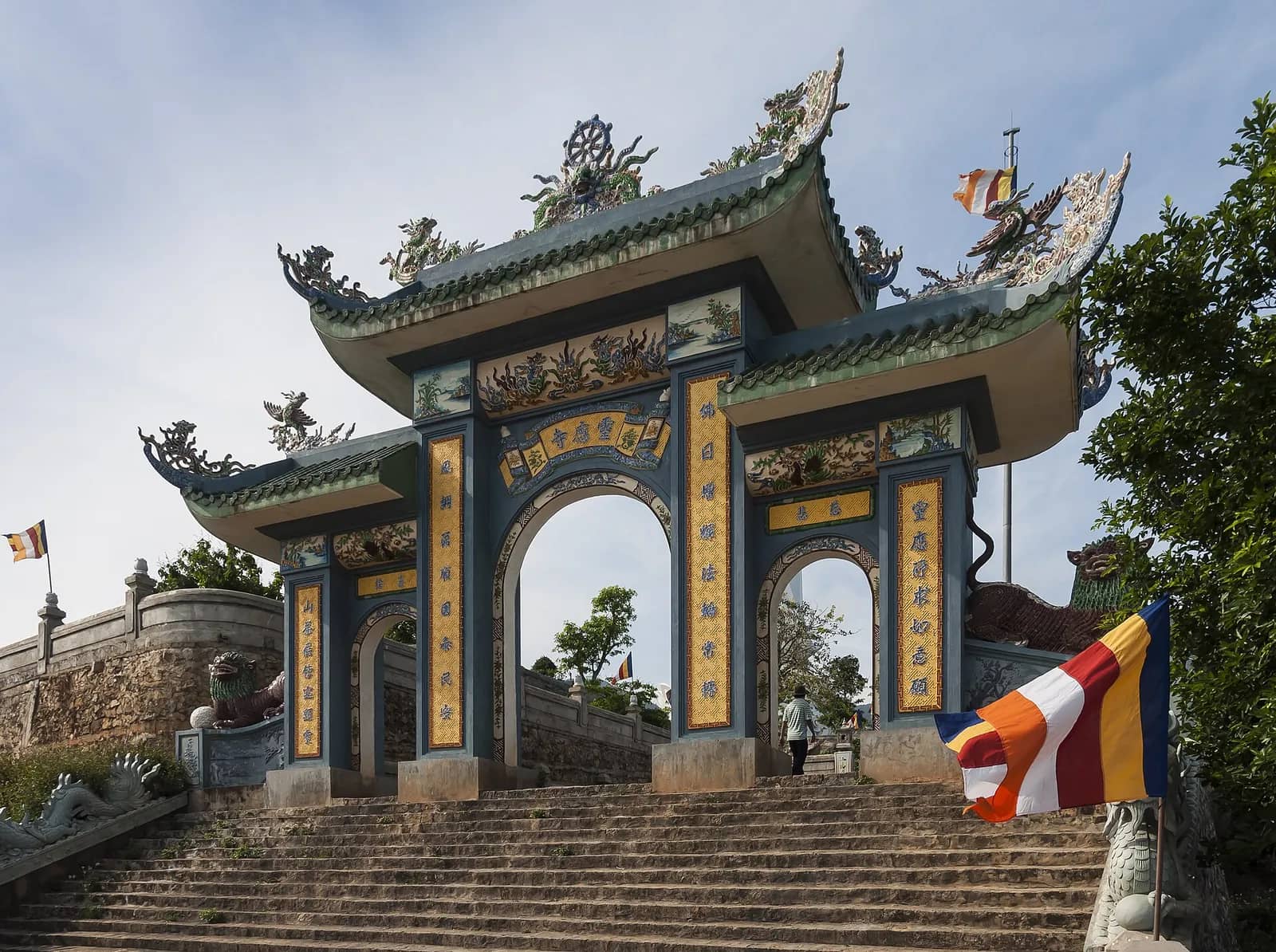
- Linh Ung Pagoda, Son Tra: about 18.5 km in a straight line.
- Ba Na Hills: about 26 km in a straight line.
- Hue: the city at the other end of the pass, about 80 km north.
Questions travelers ask
Do you have to pay to drive the pass? No. When the fee was announced in May 2026, a post on r/DaNang said the pass was "now charging an entrance fee", and the replies corrected it:
"But you can still drive the pass for free. The title is missleading and it reads like you have to pay to drive through the pass."
u/cakalone on r/DaNang
"They gotta recoup the restoration fee somehow. The bills won't pay by themselves."
u/Quiet-Fishing-1416 on r/DaNang
The first reply matches the notice: the VND 70,000 ticket is for visiting the gate monument, not for using the road. We'd pay it on a clear day.
Our take
We'd ride or drive the pass as part of the move between Da Nang and Hue rather than as a there-and-back trip, stop at the gate, and look north. Skip it on a fog day: VND 70,000 to stand inside a cloud is a poor deal, and the heritage train is the better plan when the road is wet.
How we checked this: the fee, exemptions, hours and the date the fee ends from VnExpress (1 June 2026) and the price list of the Hue Monuments Conservation Centre, which runs the gate; distances, timing, the tunnel and the railway from Da Nang's city tourism portal; train times from Vietnam Railways' page for the service; the Top Gear history from Vietnam Tourism. The family total and train times are our arithmetic, the drive is our OSRM routing, and straight-line distances are our calculation from OpenStreetMap and Wikidata coordinates. Checked 13 October 2026.