Culture in Vietnam
Sights
Sights with a page of their own, with hours and fees from official sources. Not ranked.
The facts
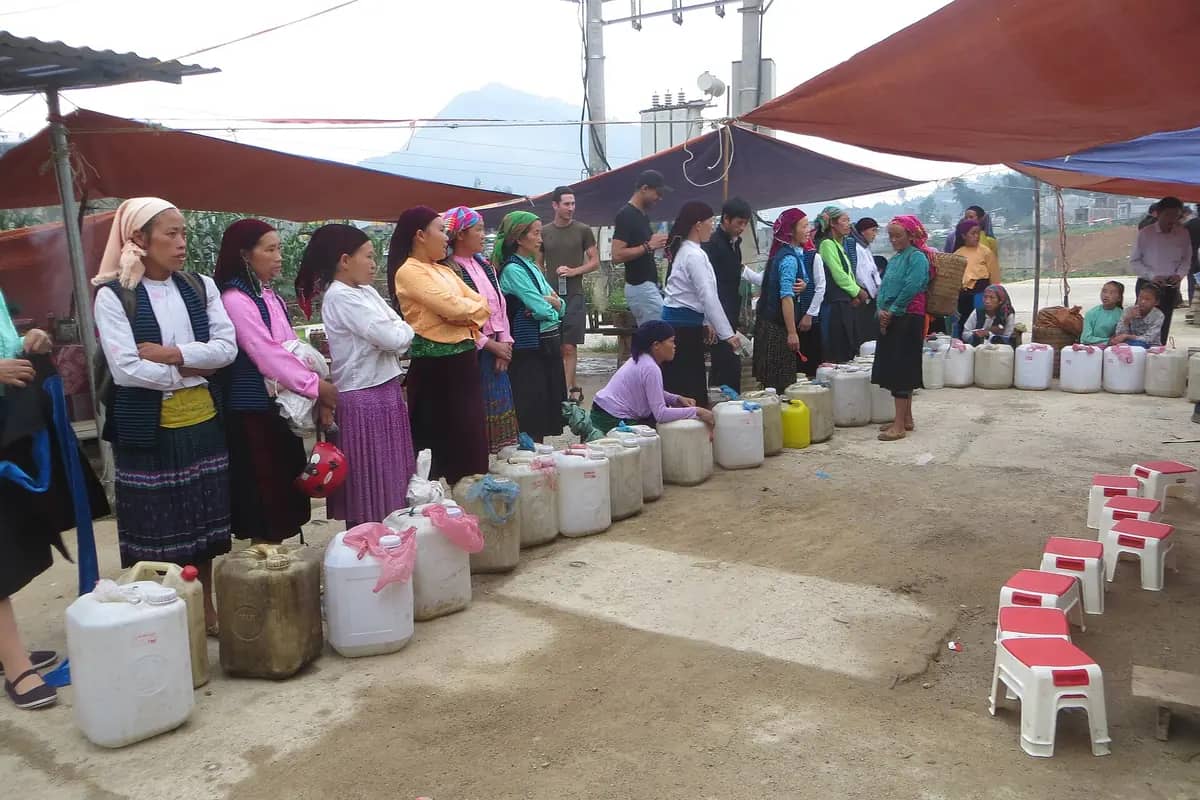
Image: Nghia Bui / Wikimedia Commons, CC BY-SA 4.0 Ha Giang Loop
17 ethnic groups live in the Dong Van geopark, and some have farmed these rocky slopes for 500 to 800 years.
UNESCO lists the Mong, Lo Lo, Pu Mong, Co Lao, Bo Y, Dao and Tay among them. More than 60% of the people in the geopark are Mong, the largest Mong community in Vietnam. Their traditions include folk songs, riddles and proverbs, and music played by blowing on a leaf, on the lips or on a flute.
Source: UNESCO, Dong Van Karst Plateau UNESCO Global Geopark. Checked October 2026.
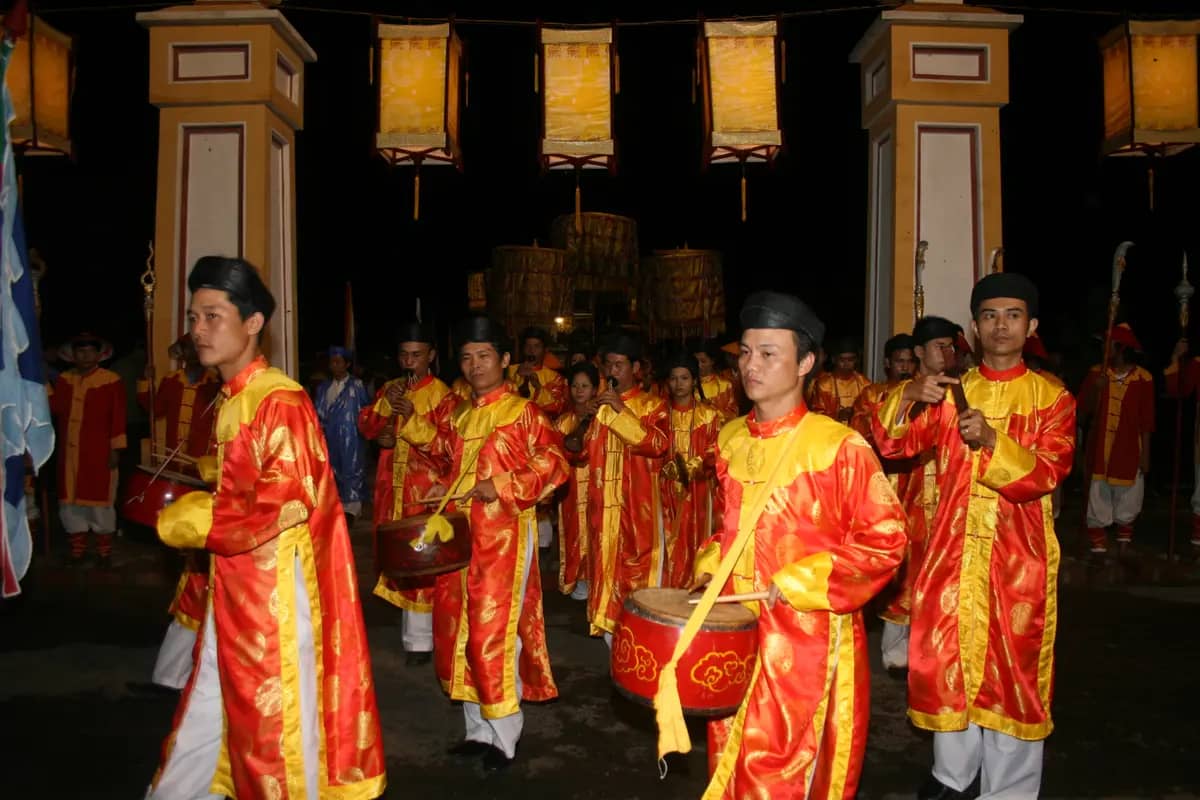
Image: Luu Ly / Wikimedia Commons, Public domain Hue
Nha nhac, the elegant music of the royal court, was played at the Vietnamese court from the 15th to the mid-20th century, and UNESCO put it on its Representative List in 2008.
Nha nhac was the music of court ceremonies, which ties it closely to Hue's years as the imperial capital. UNESCO's list covers intangible heritage, meaning the repertoire, the instruments and the way the music is performed. The court that played it is gone, but the tradition is recorded as living heritage.
Source: UNESCO, Nha nhac, Vietnamese court music. Checked October 2026.
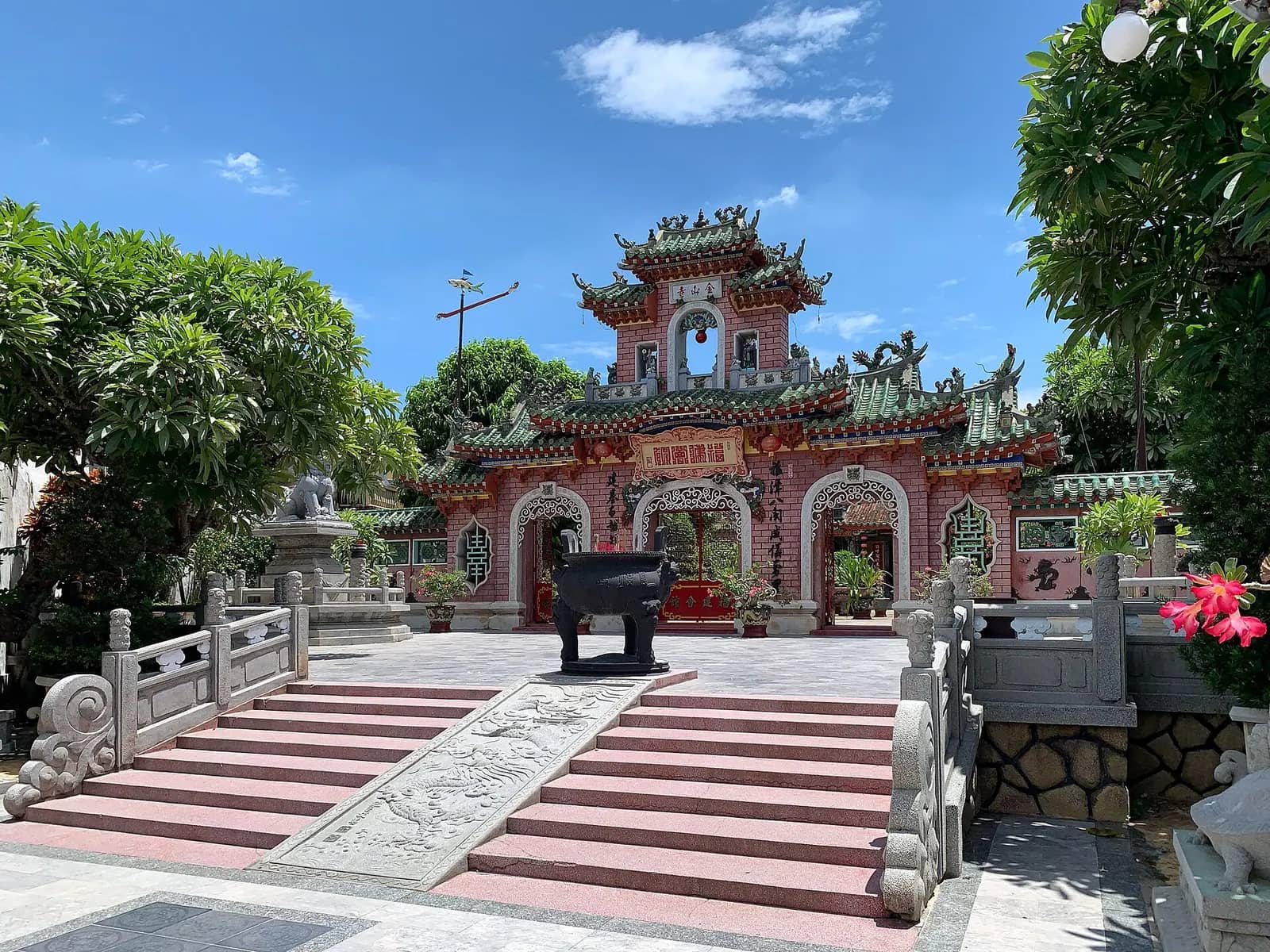
Image: Chainwit. / Wikimedia Commons, CC BY 4.0 Hoi An & Da Nang
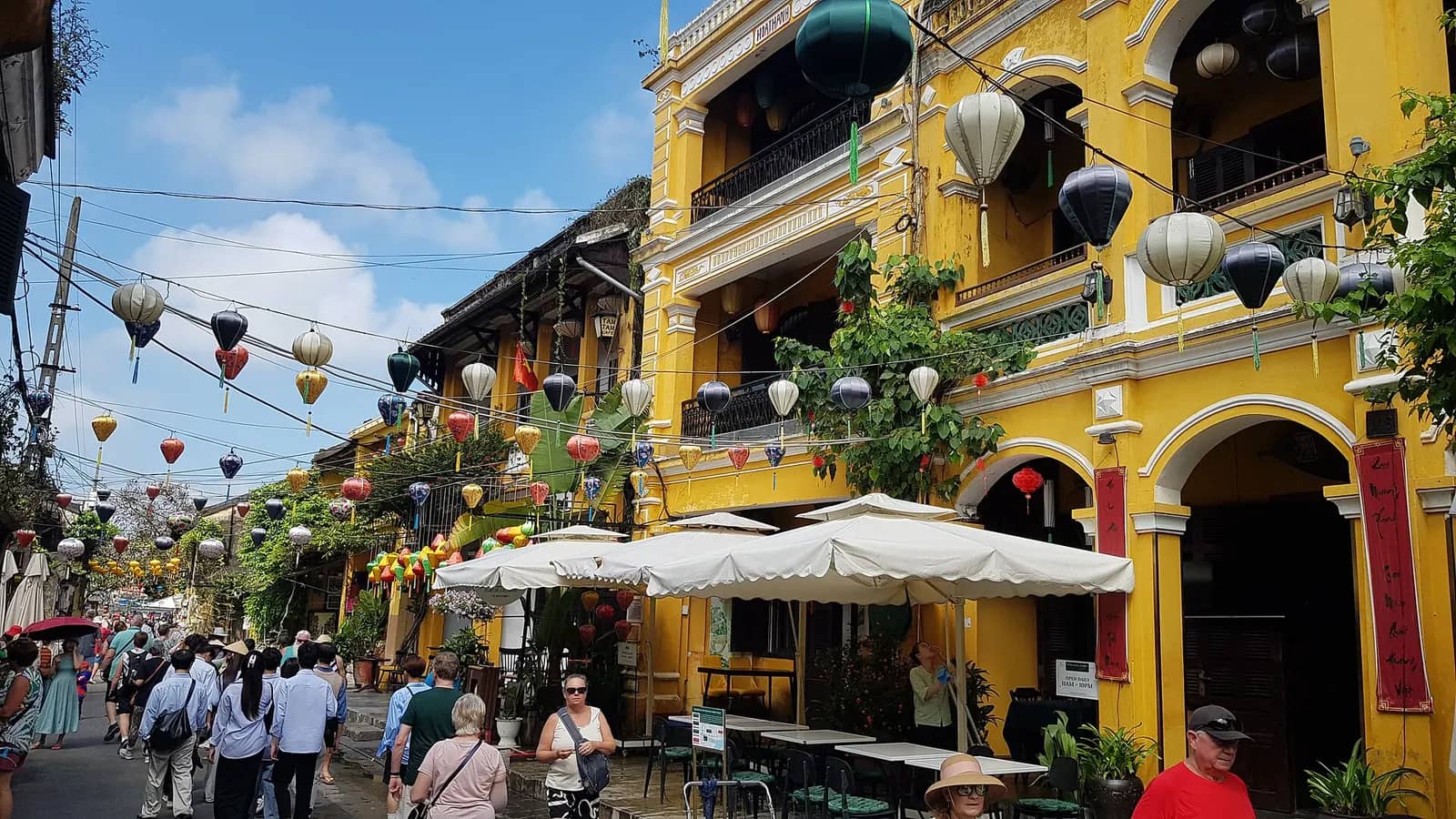
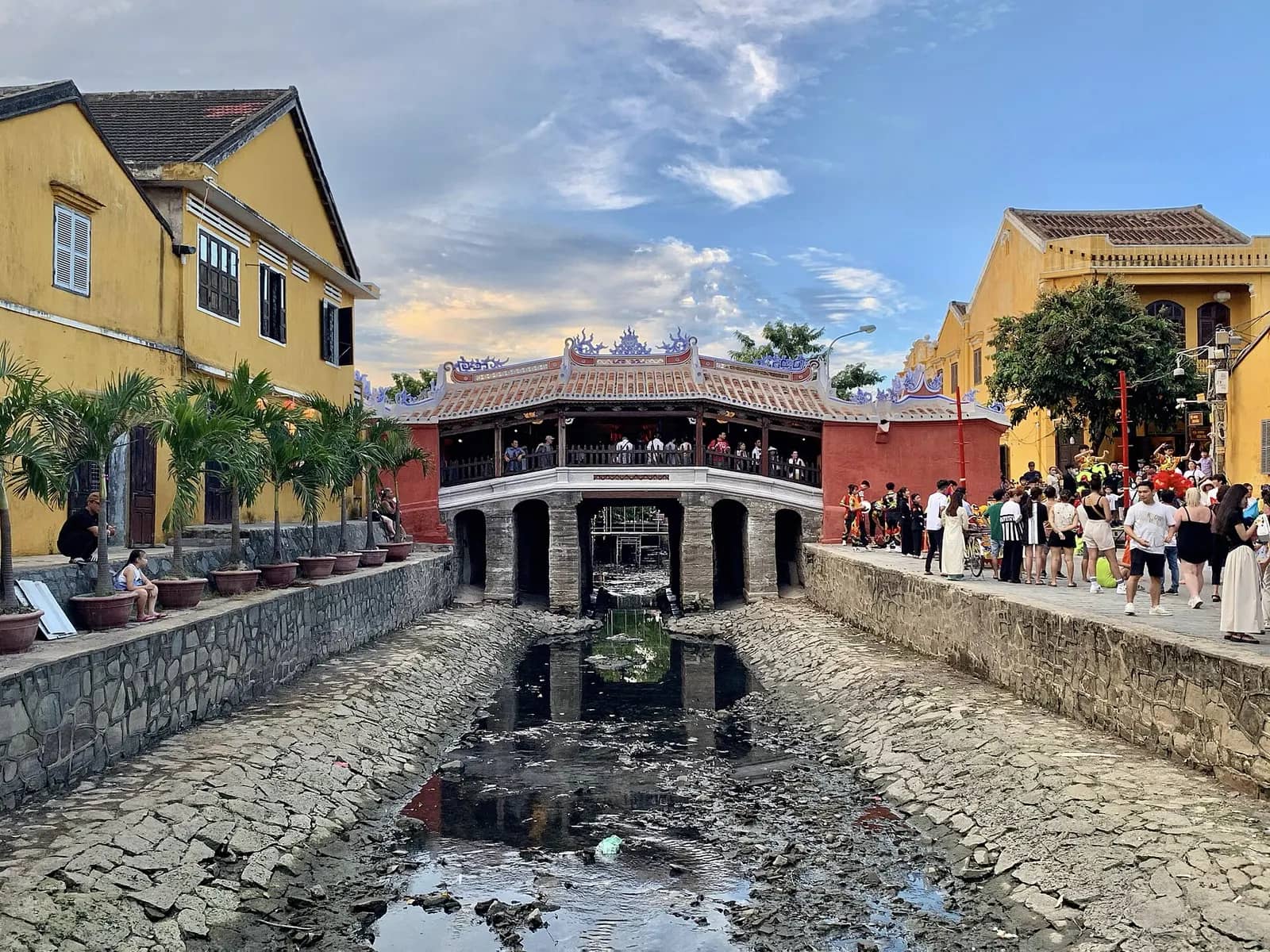
Chinese immigrants built five assembly halls in Hoi An.
One of the five halls served as a central assembly hall. They follow traditional Chinese architectural styles, with harmony, balance and aesthetics given special weight. Chinese settlers were one of several groups of immigrants who arrived from the start of the 17th century, and the town's architecture owes much of its character to those newcomers.
Source: Wikipedia, Hoi An Old Town. Checked October 2026.
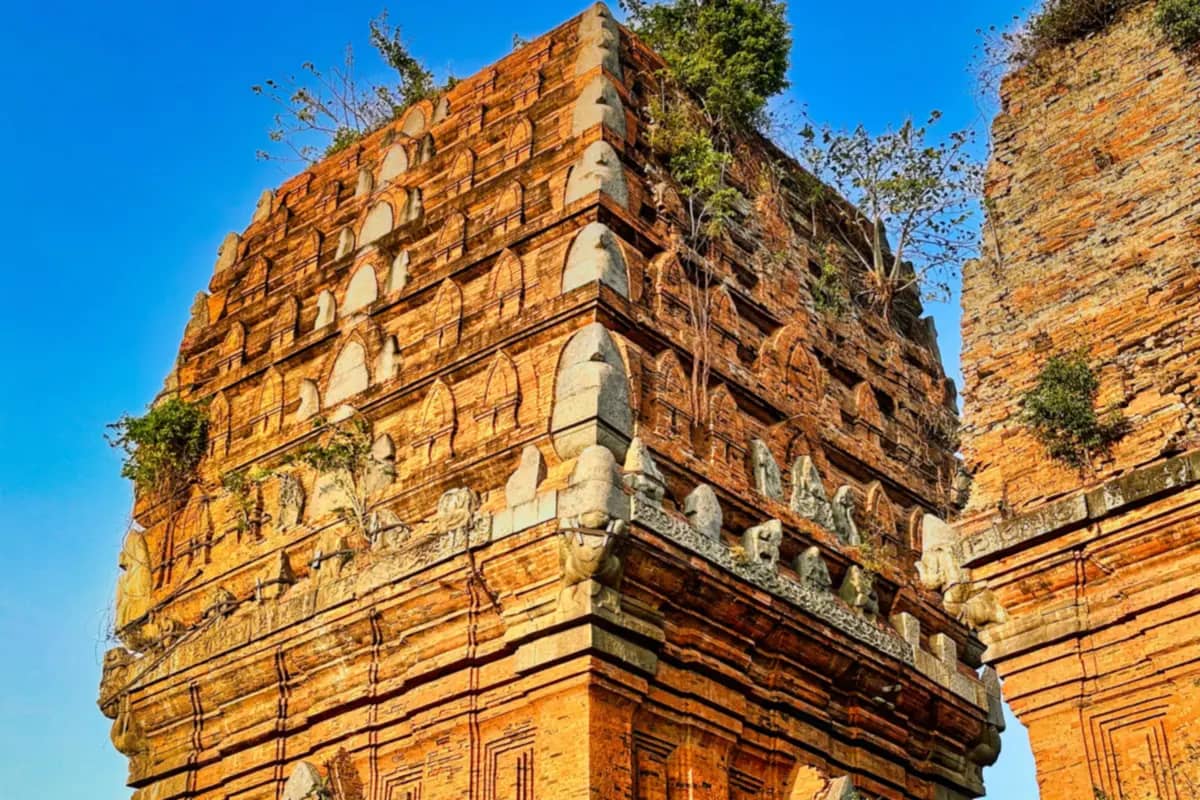
Image: Ms Sarah Welch / Wikimedia Commons, CC0 Quy Nhon
The Cham Twin Towers in the middle of Quy Nhon date from the late 12th century, and how their builders bonded the bricks so tightly is still not understood.
The larger tower is about 25 m tall and the smaller one 23 m. Look for the 21 carved dancing girls around the edge of the big tower and a herd of 13 deer on the small one. They are one of eight surviving Cham tower groups in the former Binh Dinh province, along with Banh It, Duong Long and Canh Tien.
Source: Vietnam News Agency, Twin Towers: A highlight of Cham culture in Quy Nhon, Wikipedia, Vijaya (Champa). Checked October 2026.
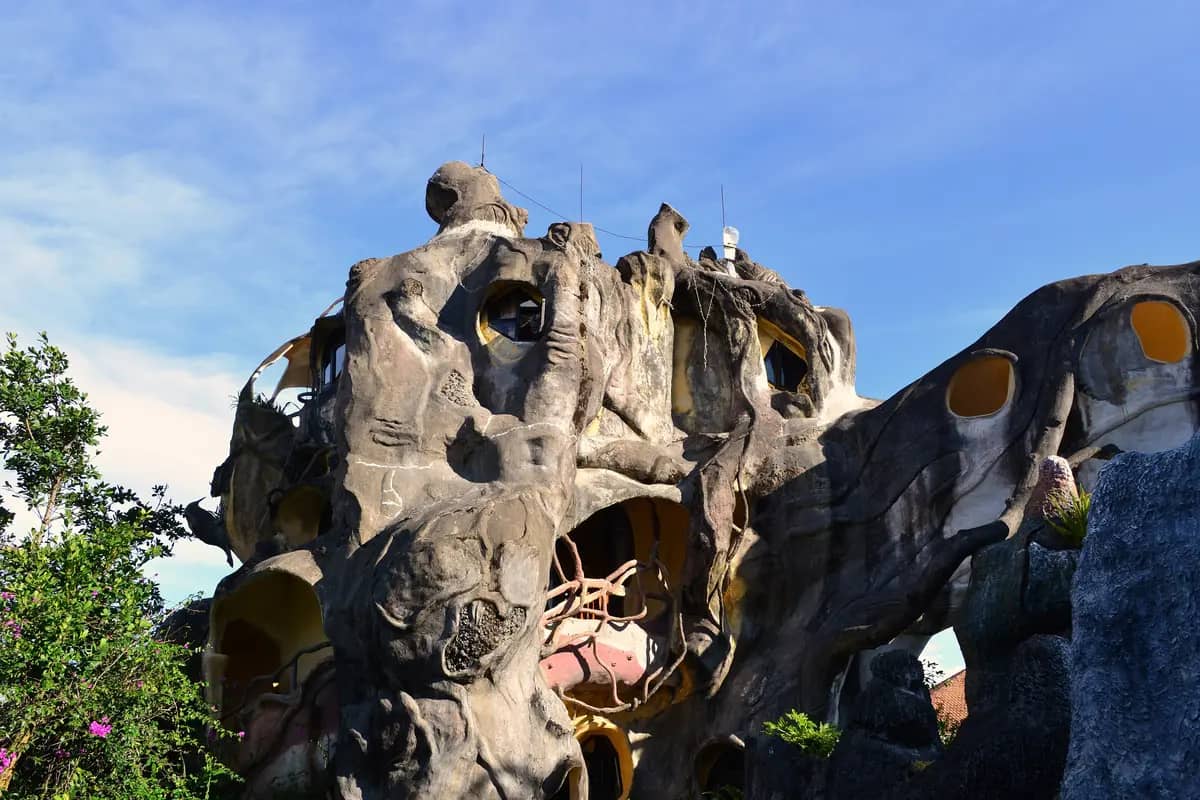
Image: Андрей Бобровский / Wikimedia Commons, CC BY 3.0 Da Lat
You can spend the night inside Da Lat's Crazy House, a guesthouse shaped like a giant tree, where one room has a kangaroo with a fireplace in its belly.
Architect Dang Viet Nga, daughter of Truong Chinh, opened the Hang Nga Guesthouse in 1990. Early visitors called it the Crazy House, and she soon adopted the name. She paints her designs instead of drawing plans, and local craftsmen turn the paintings into walls. There are ten themed rooms, among them a tiger room, an eagle room and an ant room.
Source: Wikipedia, Hang Nga Guesthouse, Wikipedia, Da Lat. Checked October 2026.
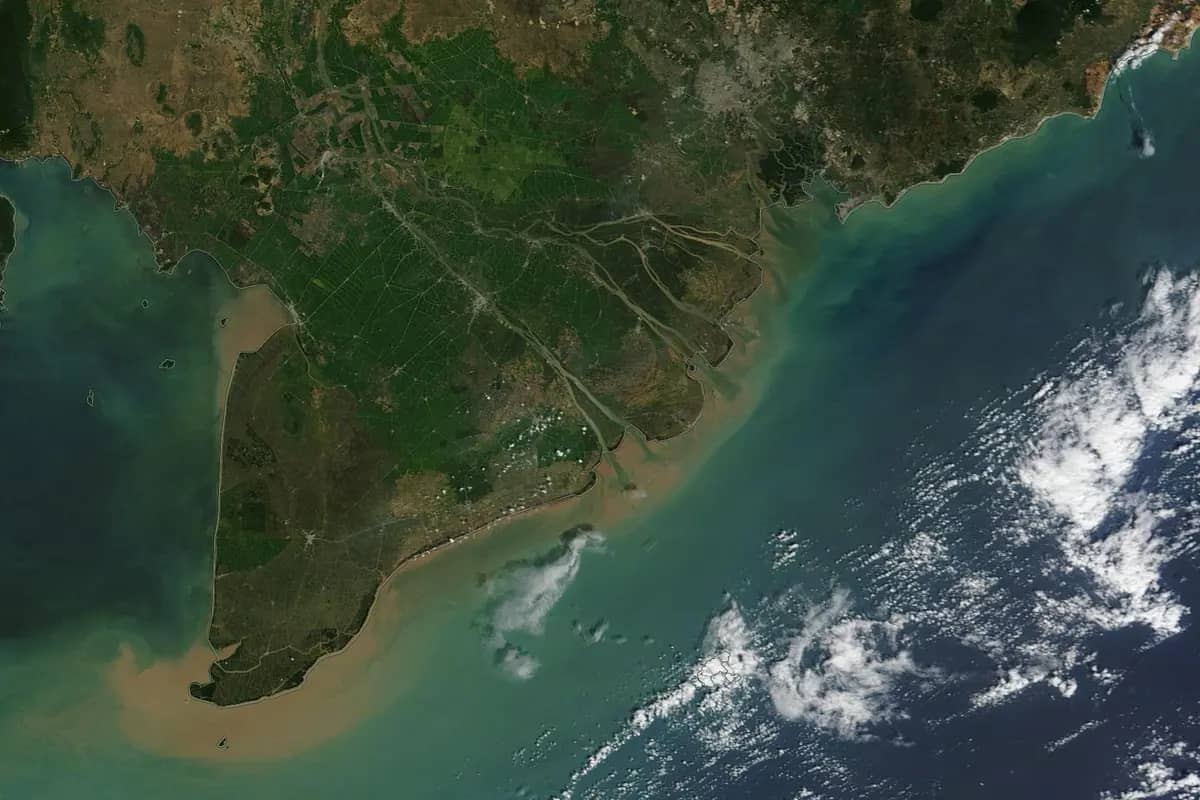
Image: Jeff Schmaltz, MODIS Land Rapid Response Team, NASA GSFC / Wikimedia Commons, Public domain Mekong Delta
Vietnamese call the Mekong Song Cuu Long, the Nine Dragons River, and the delta shares the name, although today the river reaches the sea through two major channels.
The Khmer name Bassac is still used for the lower basin and for the western branch of the river. The delta has been lived in since the 4th century BC, and Khmer, Vietnamese, Chinese and French settlers all left names on its waterways. Each year the river carries over 160 million tons of sediment into the delta.
Source: Wikipedia, Mekong Delta, Wikipedia, Mekong. Checked October 2026.
Photo credits
- Hoi An Ancient Town: Andre Hospers, CC BY 4.0
- Japanese Covered Bridge: Chainwit., CC BY 4.0