History in Vietnam
Sights
Sights with a page of their own, with hours and fees from official sources. Not ranked.
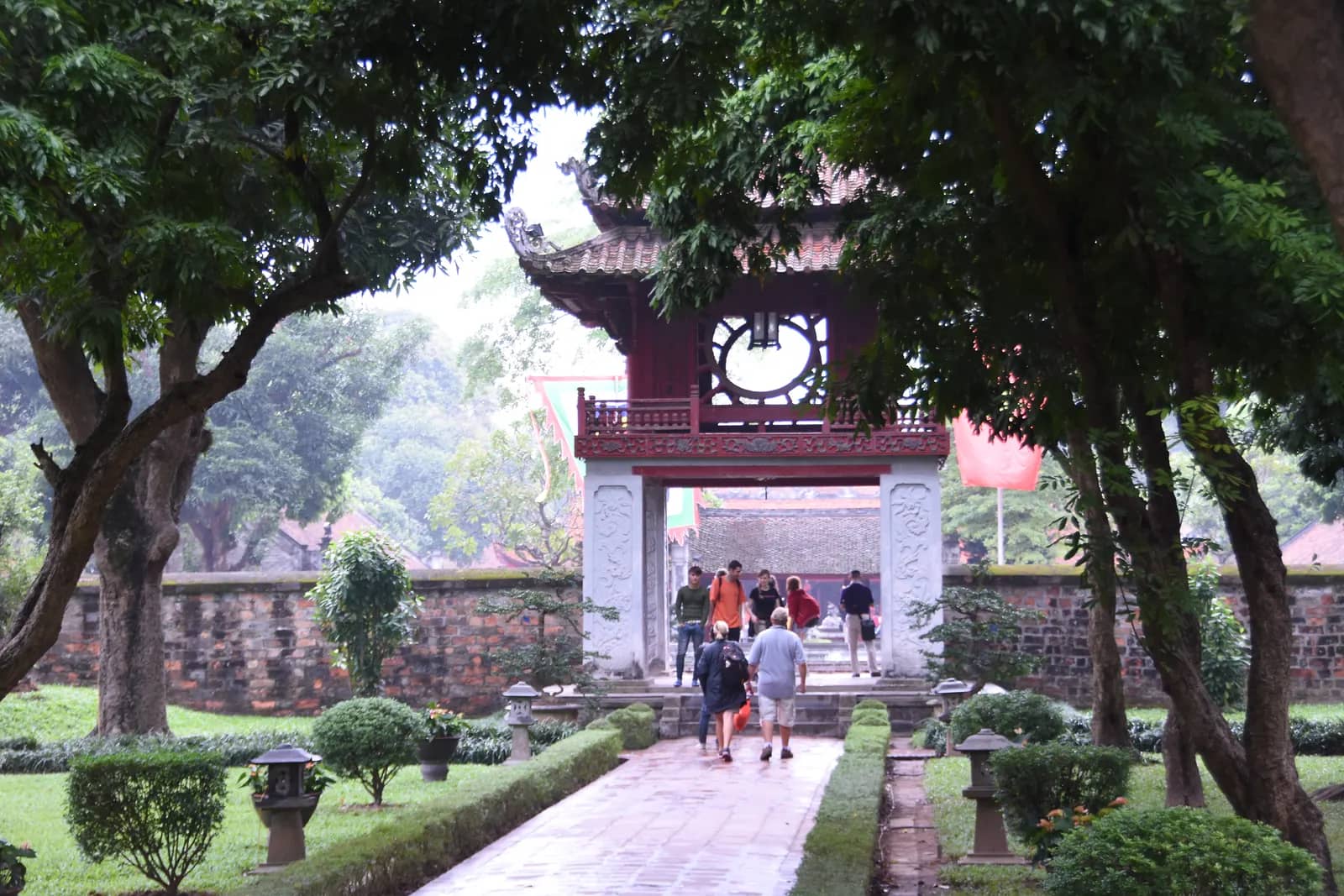 Temple of Literature (Van Mieu)Hanoi. Hanoi's Confucian temple and first national university, home to the doctoral stone steles.
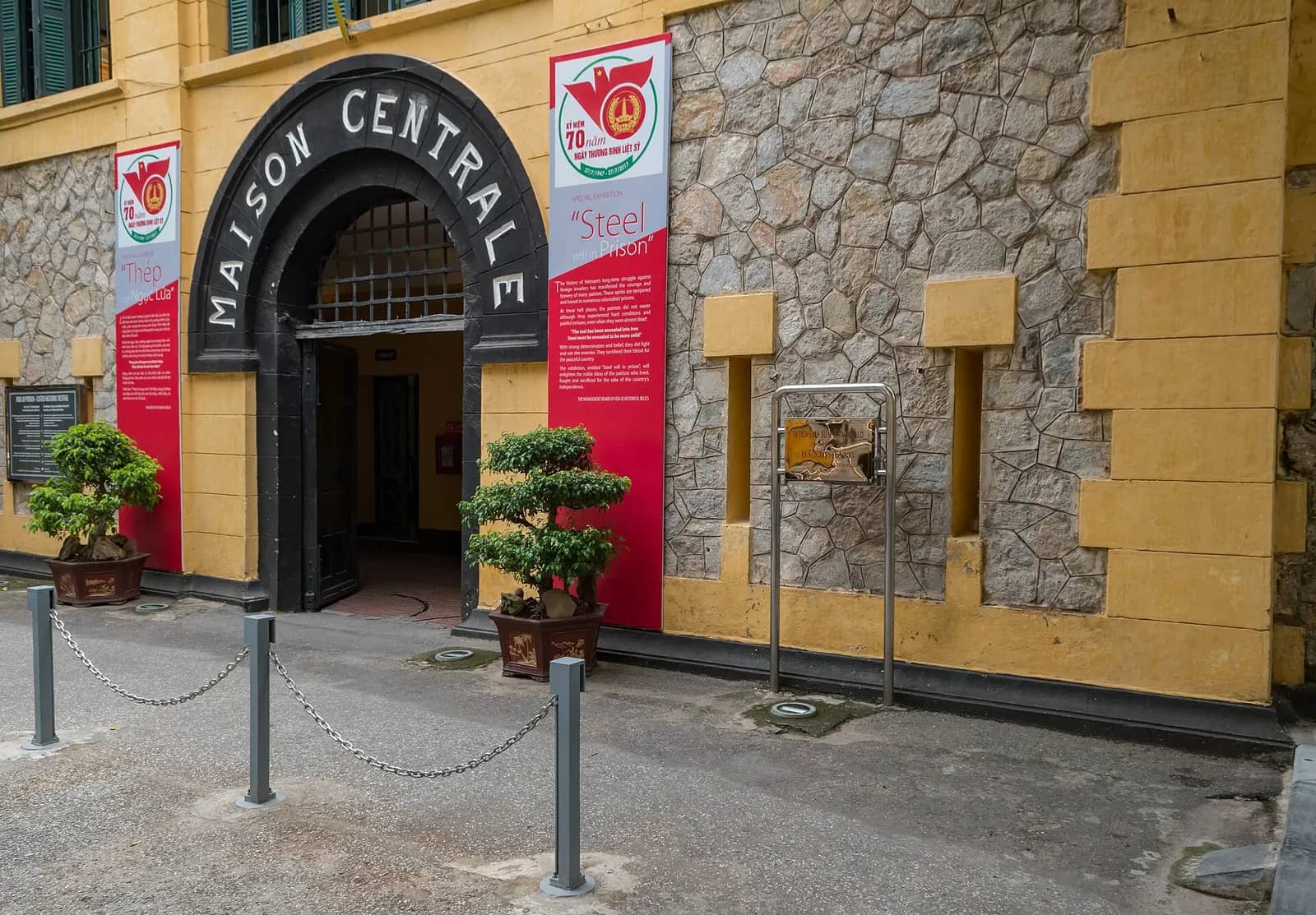 Hoa Lo PrisonHanoi. The French-built Maison Centrale, later known to American POWs as the Hanoi Hilton.
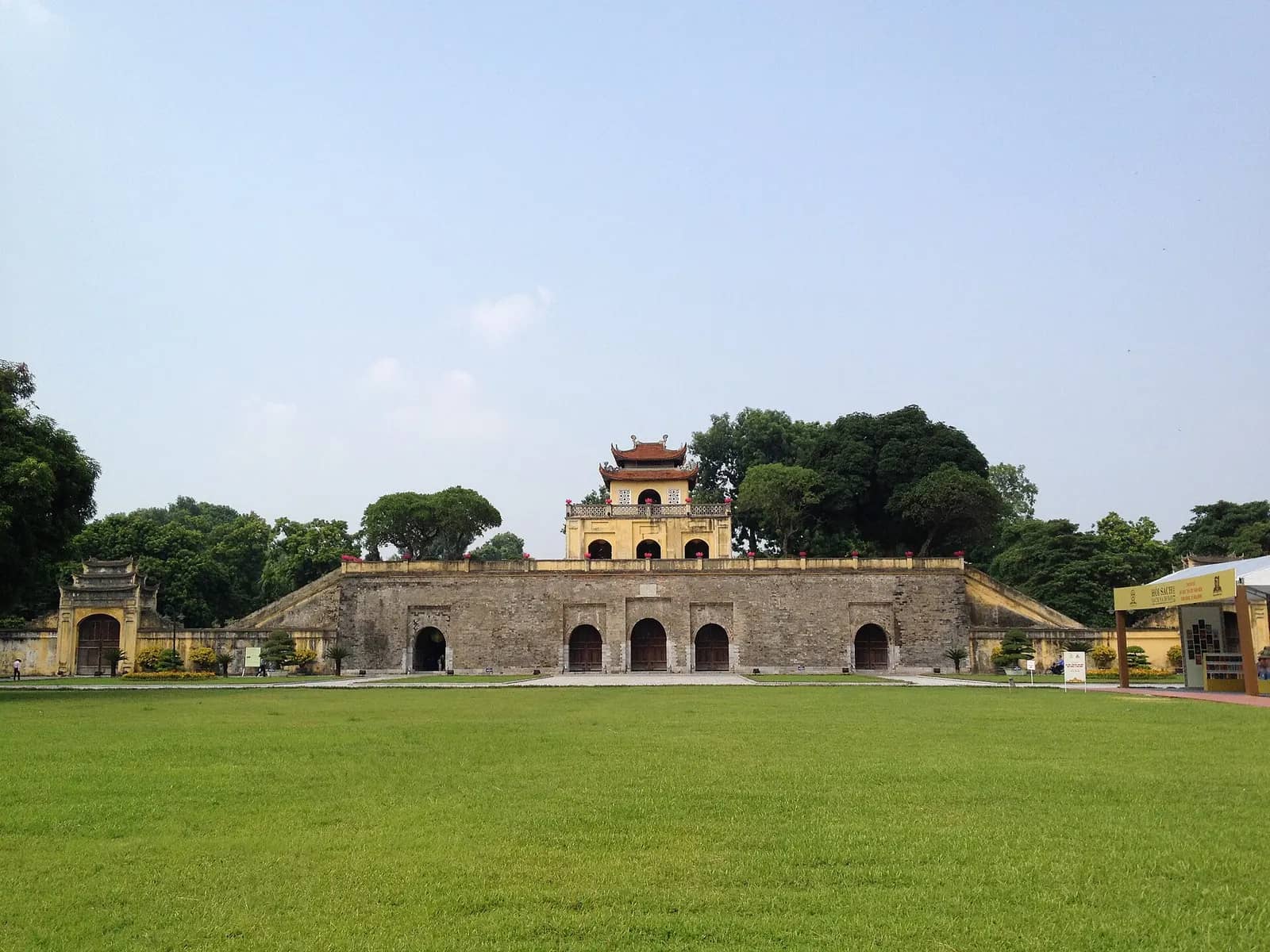 Imperial Citadel of Thang LongHanoi. Hanoi's UNESCO-listed royal citadel, with gates, palace foundations and an excavation you walk over.
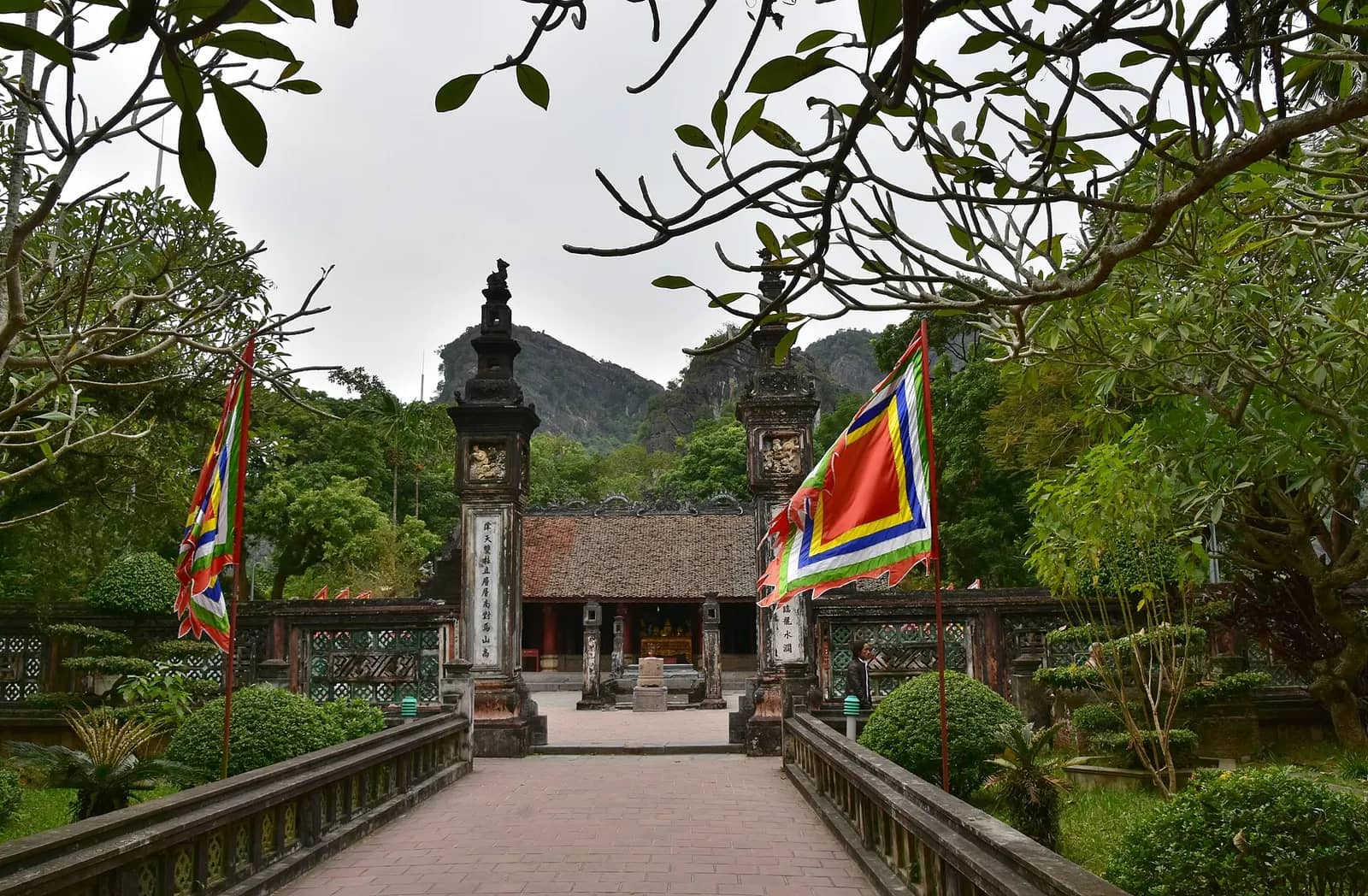 Hoa Lu Ancient CapitalNinh Binh. Vietnam's capital from 968 to 1010, now temples among limestone hills near Trang An.
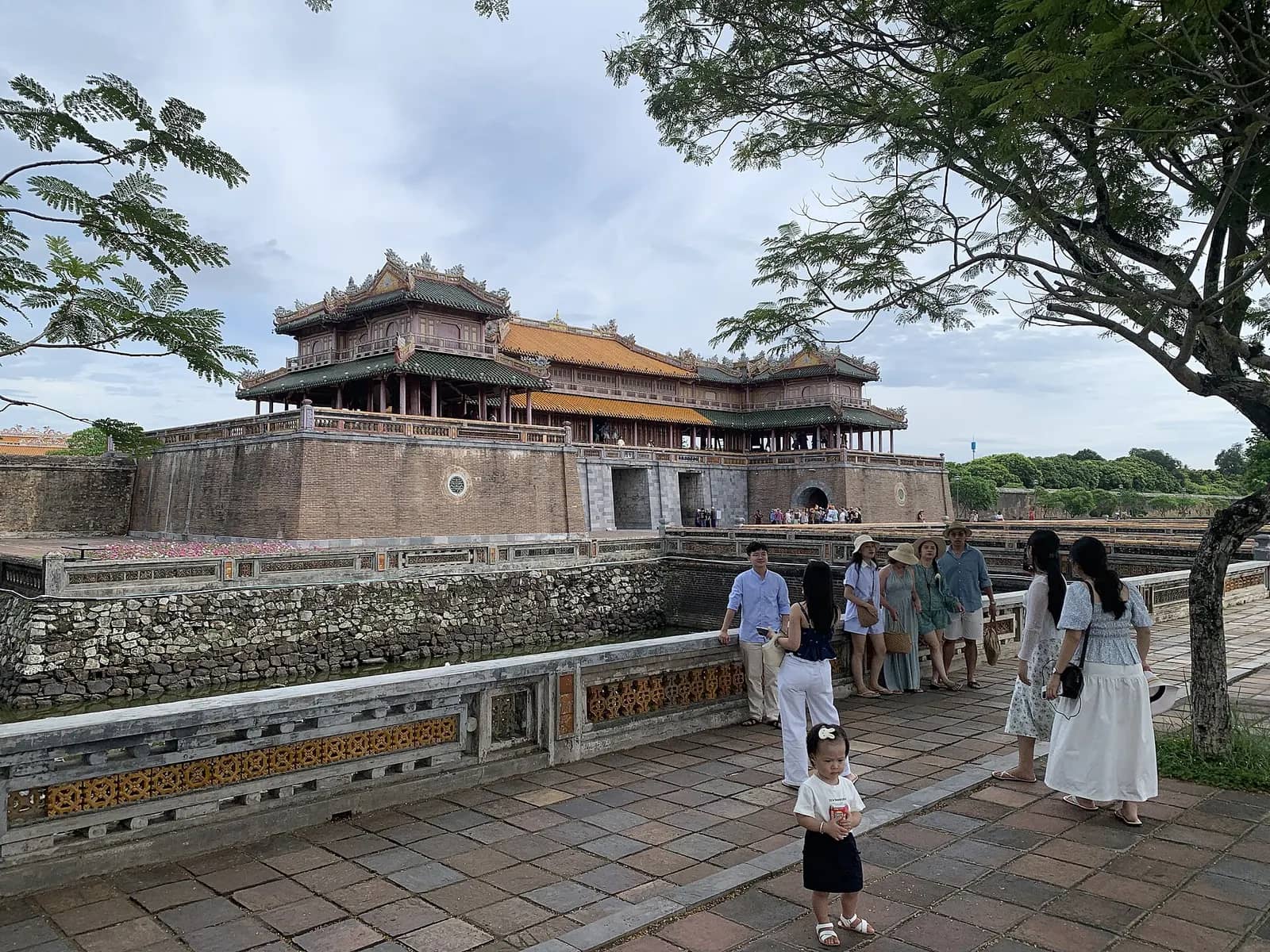 Hue Imperial CityHue. The walled palace enclosure inside Hue's citadel, built from 1804 for the Nguyen emperors.
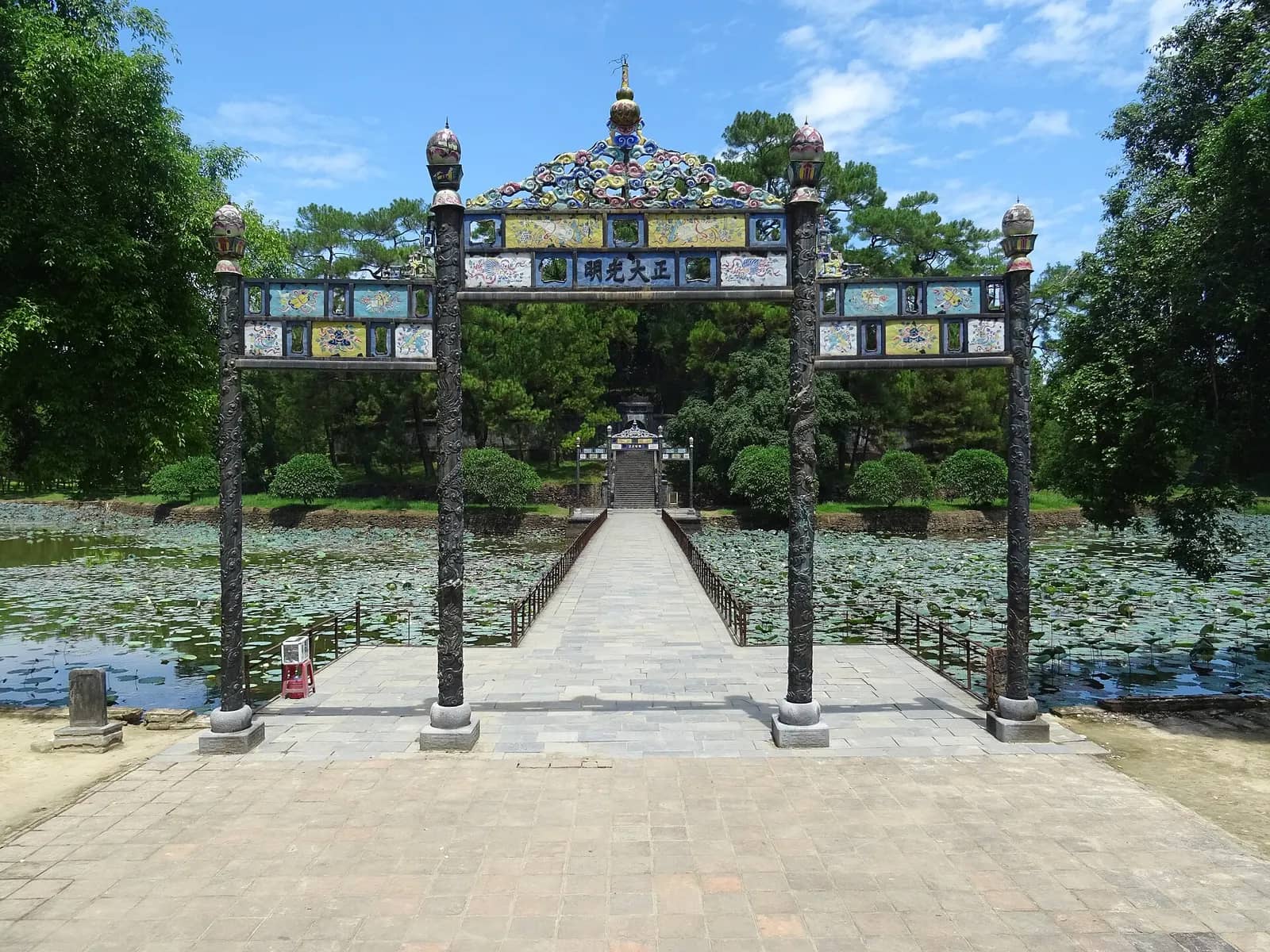 Minh Mang TombHue. Minh Mang's tomb, laid out on three axes among lakes near the Perfume River.
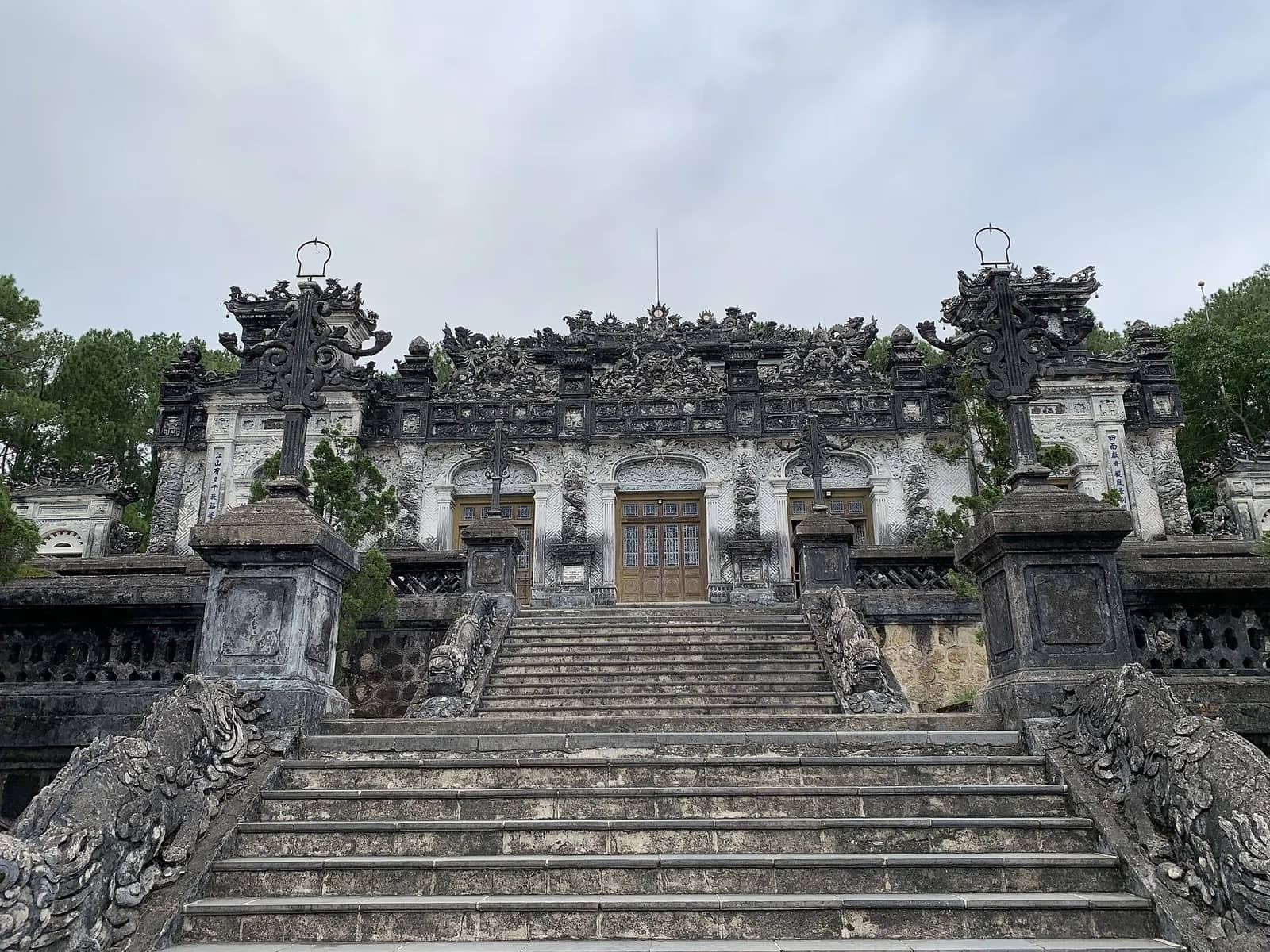 Khai Dinh TombHue. The last great imperial tomb near Hue, built in cement, steel and coloured glass.
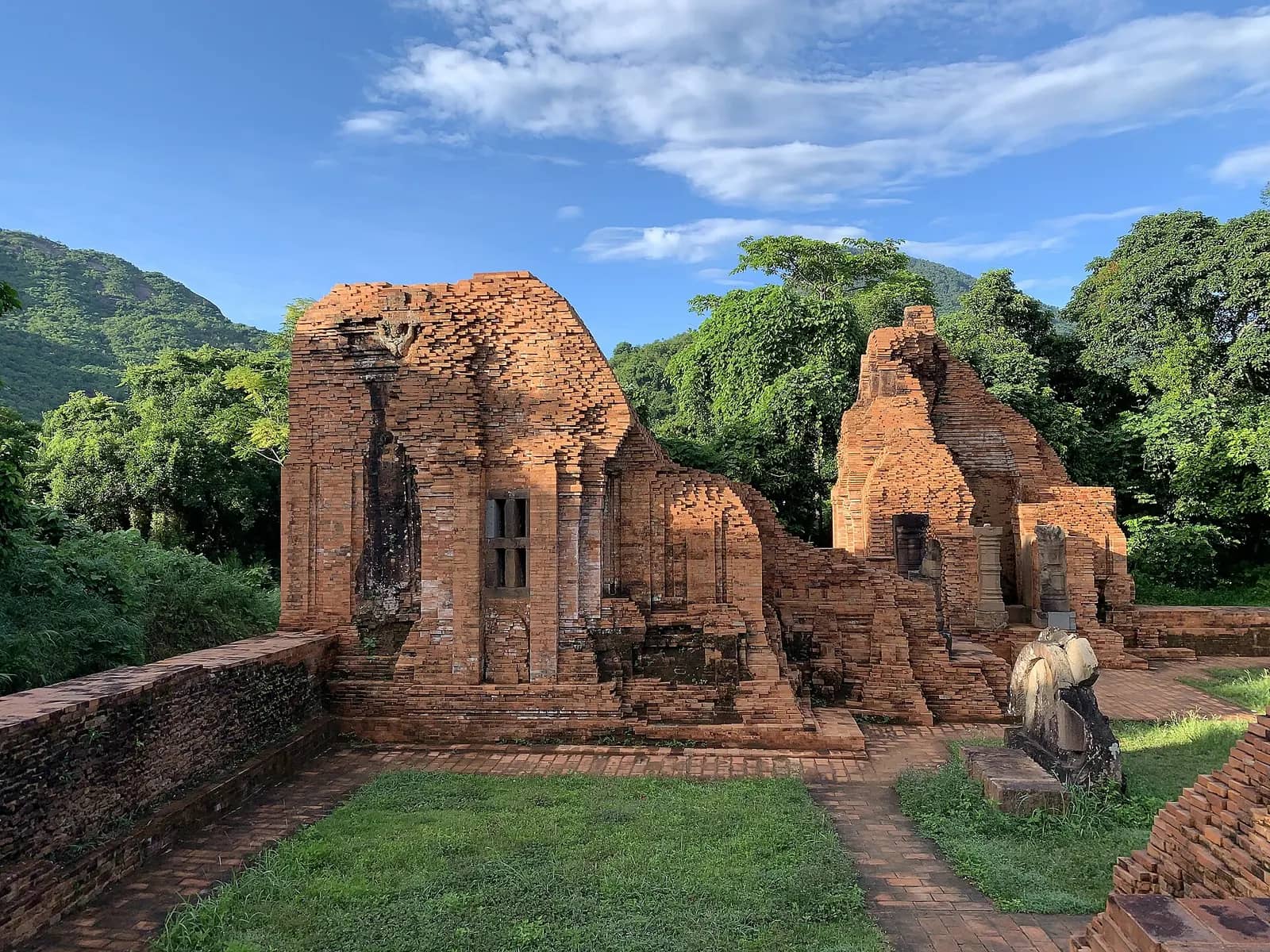 My Son SanctuaryHoi An & Da Nang. Champa brick temple towers in a valley inland from Hoi An, UNESCO-listed since 1999.
The facts
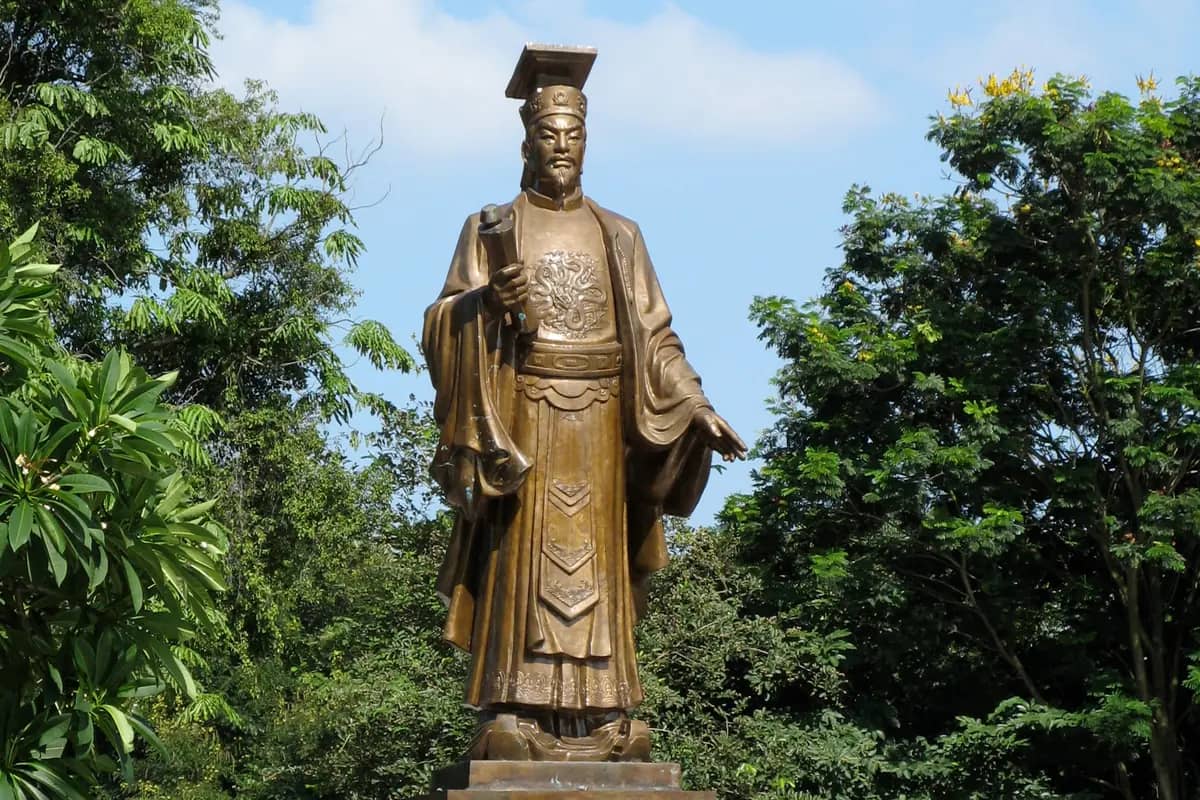
Image: William Whyte / Wikimedia Commons, CC BY-SA 2.0 Hanoi
Hanoi has gone by several names: Thang Long, ascending dragon, when the Ly king made it his capital in 1010, Dong Kinh from 1428, and Ha Noi since 1831.
Ly Thai To moved his court to the old Dai La Citadel. In 1802 the Nguyen dynasty moved the national capital south to Hue, and Minh Mang gave the city its present name. The French made it the capital of French Indochina in 1902, and on 2 September 1945 Ho Chi Minh proclaimed independence here.
Source: Wikipedia, Hanoi. Checked October 2026.
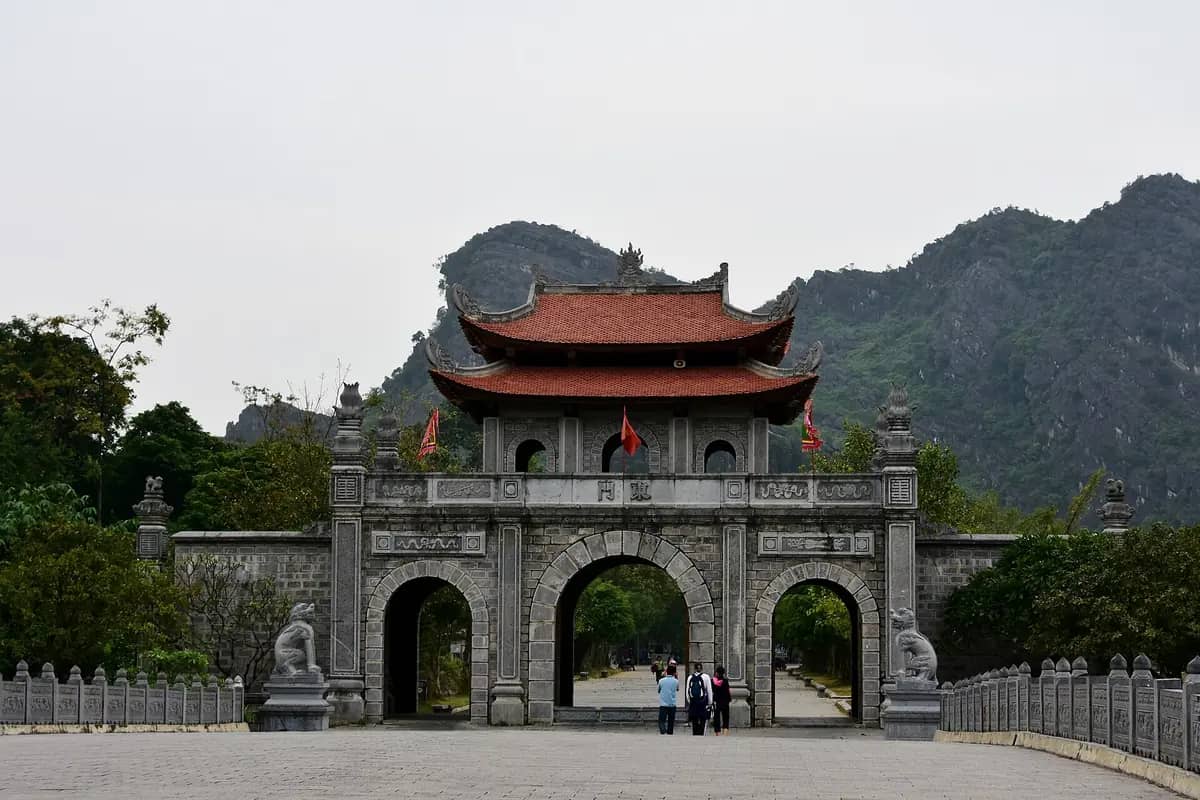
Image: Richard Mortel / Wikimedia Commons, CC BY 2.0 Ninh Binh
Before Hanoi, Vietnam's capital was Hoa Lu, from 968 to 1010, tucked into a valley where steep limestone peaks did the job of city walls.
Dinh Bo Linh founded the kingdom of Dai Co Viet here in 968. The capital covered 300 hectares, with inner and outer citadels and earthen walls between the mountains. In 1010 Ly Cong Uan moved the court to Thang Long, now Hanoi. The citadel is gone, but temples to the emperors Dinh Tien Hoang and Le Dai Hanh still stand.
Source: Wikipedia, Hoa Lu Ancient Capital. Checked October 2026.
Image: Chainwit. / Wikimedia Commons, CC BY 4.0 Hue
Hue was Vietnam's imperial capital from 1802 until 30 August 1945, when Emperor Bao Dai abdicated at the Meridian Gate and handed over the royal seal and sword.
Bao Dai had been enthroned at 12, in 1926, and was known as a playboy and a car enthusiast. After reading the abdication before thousands of people, he became plain citizen Vinh Thuy, ending the Nguyen dynasty that had built the citadel you walk through today. He died in Paris in 1997 and is buried at Passy Cemetery.
Source: Wikipedia, Bao Dai, Wikipedia, Hue. Checked October 2026.
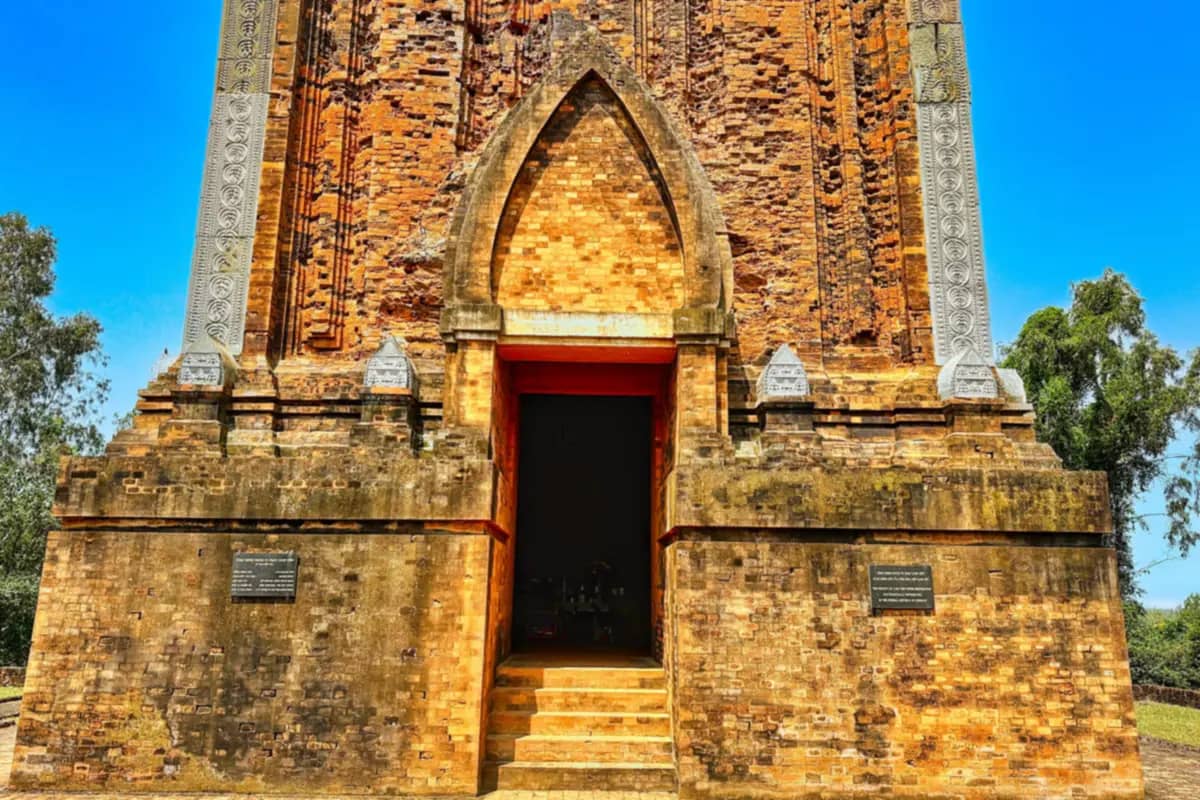
Image: Ms Sarah Welch / Wikimedia Commons, CC0 Quy Nhon
Vijaya, the Champa capital, stood in what is now An Nhon, in Binh Dinh province, the same province as Quy Nhon. It was the capital from 938 until Dai Viet conquered it in 1471.
Vijaya is Sanskrit for victorious, and the city was also known as Vijayapura. The area was probably an early landfall of the Cham people in what is now Vietnam, but its architecture implies it did not become important until the 11th or 12th century. The Vietnamese attacked its citadel in 1069.
Source: Wikipedia, Vijaya (Champa). Checked October 2026.
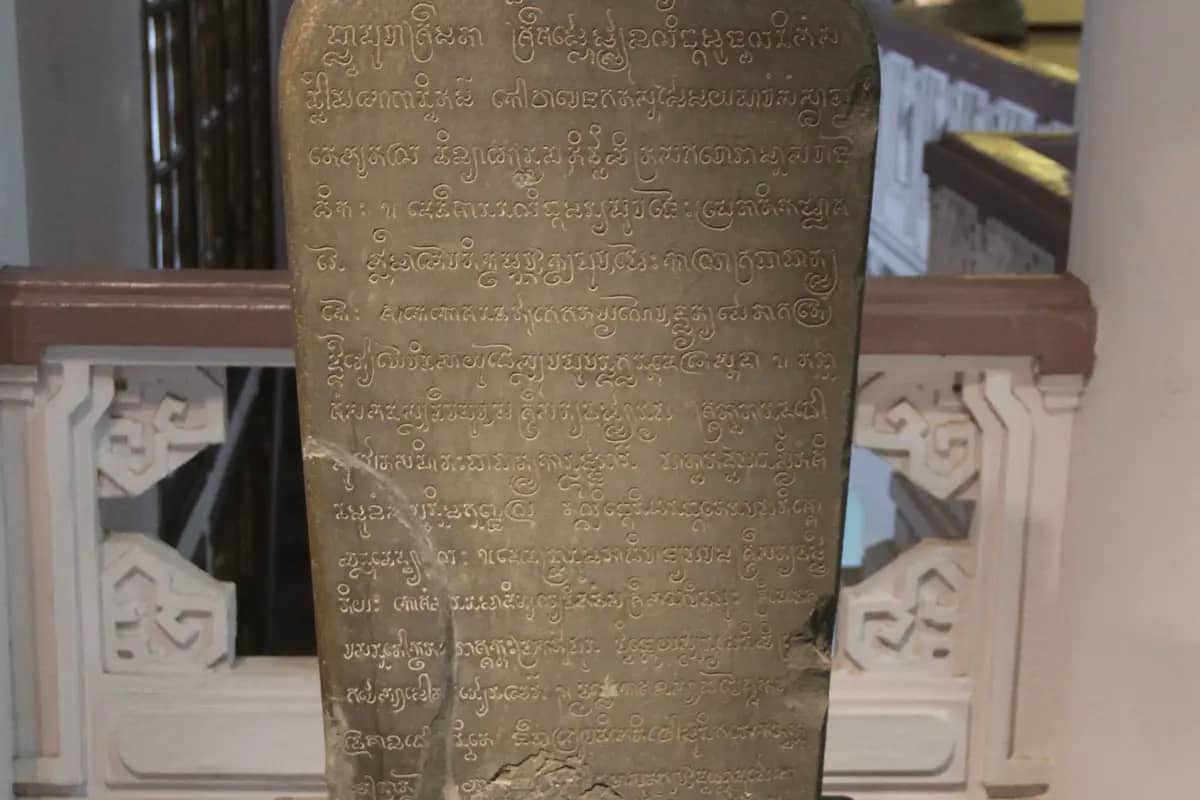
Image: Gary Todd / Wikimedia Commons, CC0 Nha Trang
A stele dated 781 at Po Nagar records King Satyavarman restoring the temple after foreign raiders damaged it; other steles say they came by ship, perhaps from Java.
Those steles add that the raiders stole the temple's jewellery and broke its linga. The temple stands near Nha Trang, in what was the Cham principality of Kauthara, and is dedicated to the goddess of the country. Its main tower is about 25 m high, and inside sits a 1.2 m stone goddess, cross-legged, with ten hands holding symbolic objects.
Source: Wikipedia, Po Nagar. Checked October 2026.
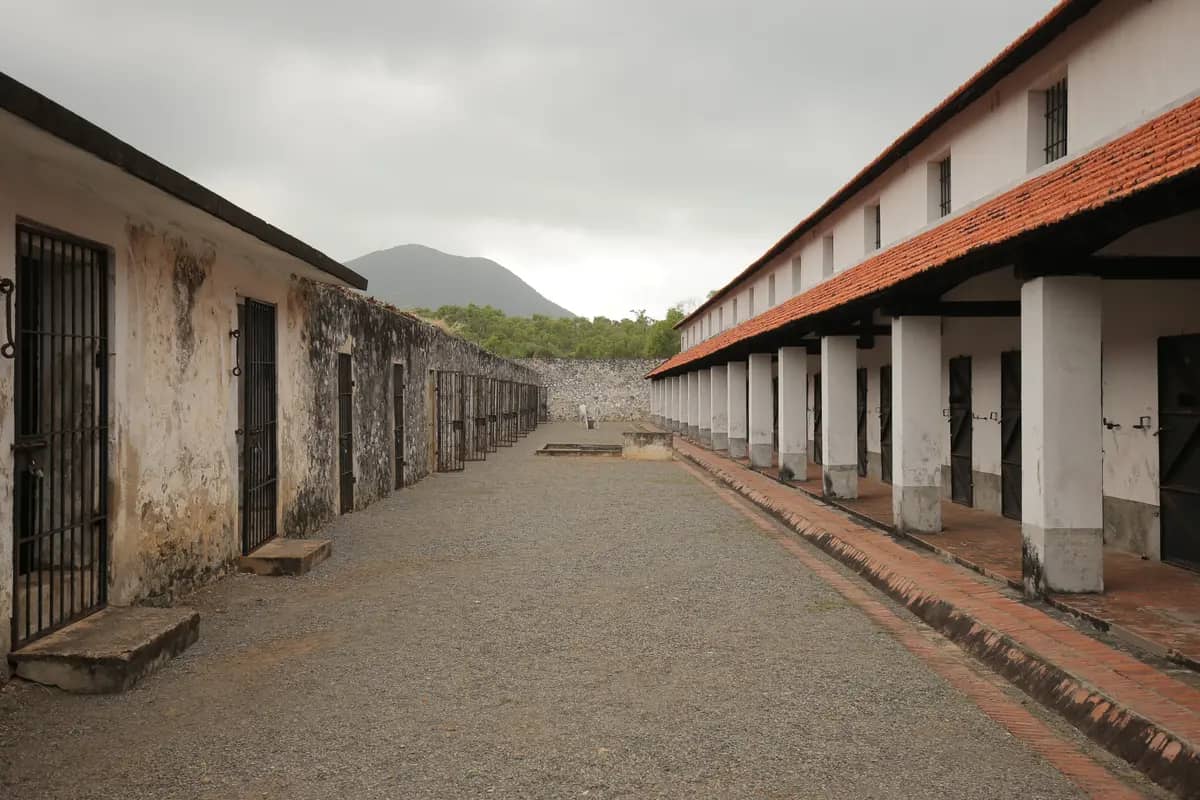
Image: Tycho / Wikimedia Commons, CC BY-SA 3.0 Con Dao
For over a century Con Dao was a prison island: the French opened its jail in 1861, and it held political prisoners until the end of the Vietnam War in 1975.
The French ran it until 1954, when South Vietnam took over and kept using it for the same purpose. It was once dubbed hell on earth. Opposite Pier 914, the Con Dao Museum holds more than 2,000 exhibits, and the Governor's Palace, home to 53 prison chiefs, is now seen as a living museum.
Source: Wikipedia, Con Dao Prison, VnExpress International, Con Dao travel guide. Checked October 2026.
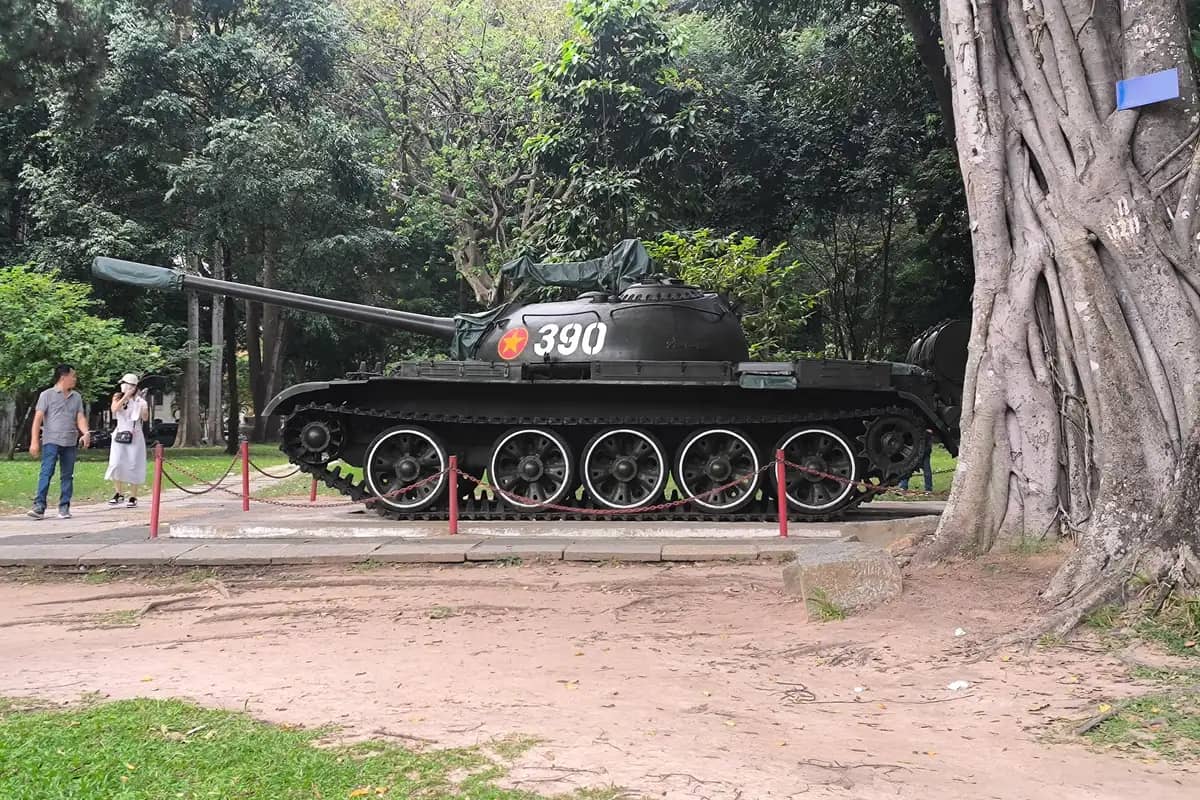
Image: 源義信 / Wikimedia Commons, CC BY 4.0 Ho Chi Minh City
On 30 April 1975 two tanks reached the Independence Palace: No. 843 got stuck in a side gate, so No. 390 smashed through the main gate, effectively ending the Vietnam War.
Both tanks are now national treasures kept in military museums in Hanoi, and replicas stand in the palace grounds. Tank 390's commander was Captain Vu Dang Toan. Bui Quang Than, commander of tank 843, went into the building and raised the flag of the National Liberation Front over it at 11:30 that morning.
Source: Viet Nam News, Unfolding a historic moment, Independence Palace, Vietnam: The Ballad of Victory exhibition, VOV World, Historic tank 390, VOV World, Vietnam Military History Museum glorifies national defense tradition, Wikipedia, Independence Palace. Checked October 2026.
Photo credits
- Temple of Literature (Van Mieu): shankar s., CC BY 2.0
- Hoa Lo Prison: dronepicr, CC BY 2.0
- Imperial Citadel of Thang Long: Phan Minh Tuấn, CC BY-SA 4.0
- Hoa Lu Ancient Capital: Richard Mortel from Riyadh, Saudi Arabia, CC BY 2.0
- Hue Imperial City: Chainwit., CC BY 4.0
- Minh Mang Tomb: Christophe95, CC BY-SA 4.0
- Khai Dinh Tomb: Chainwit., CC BY 4.0
- My Son Sanctuary: Chainwit., CC BY 4.0