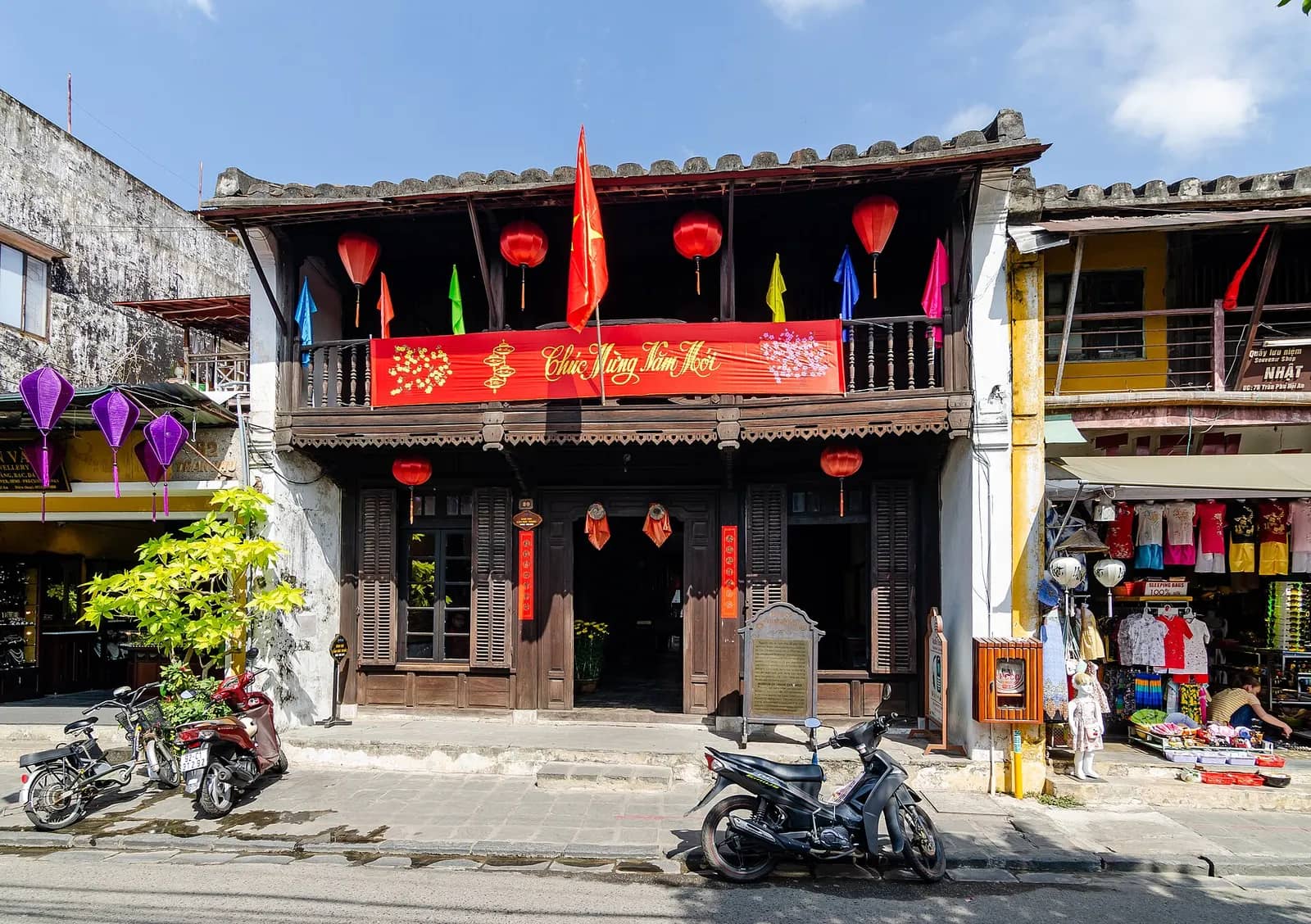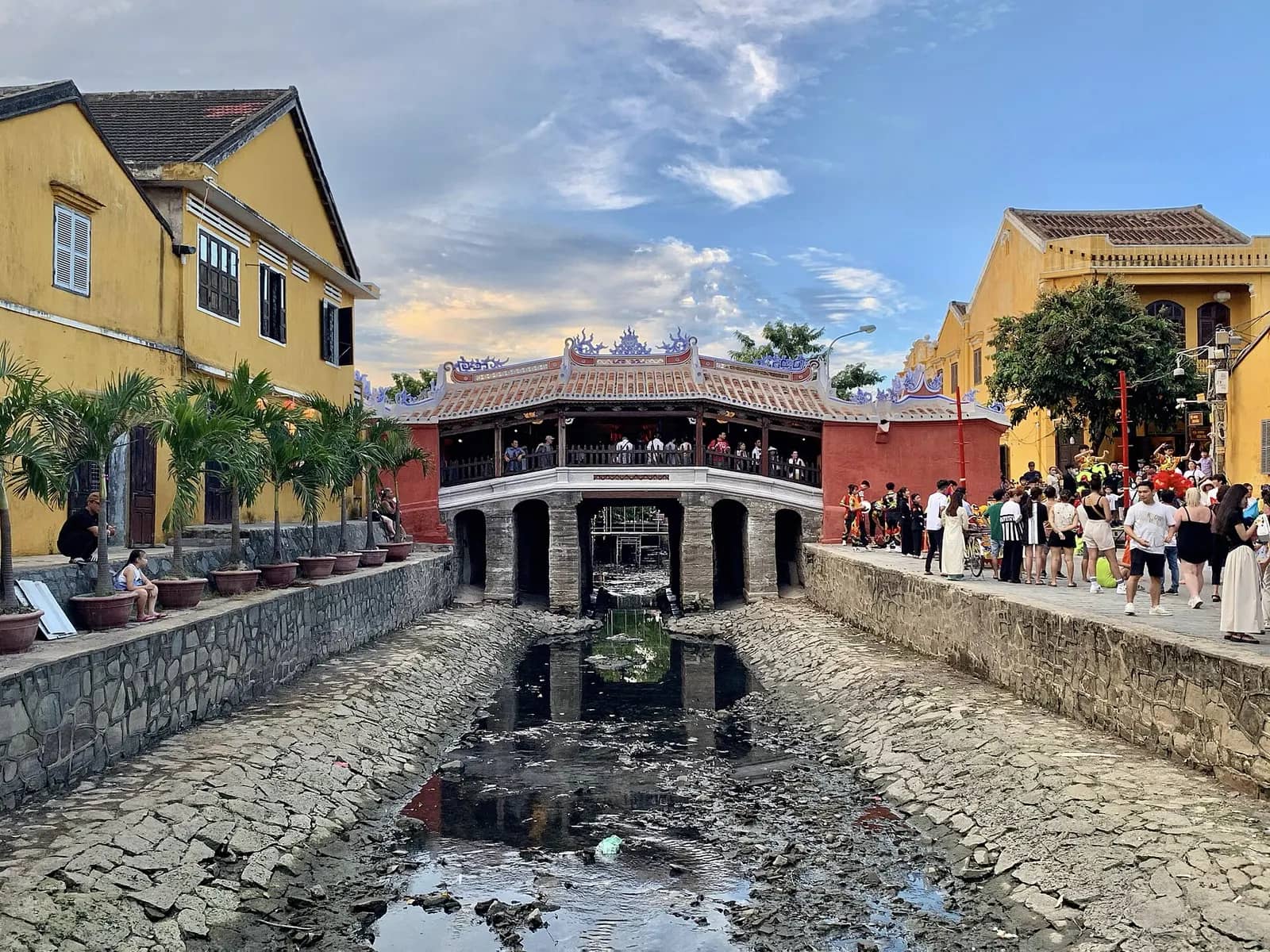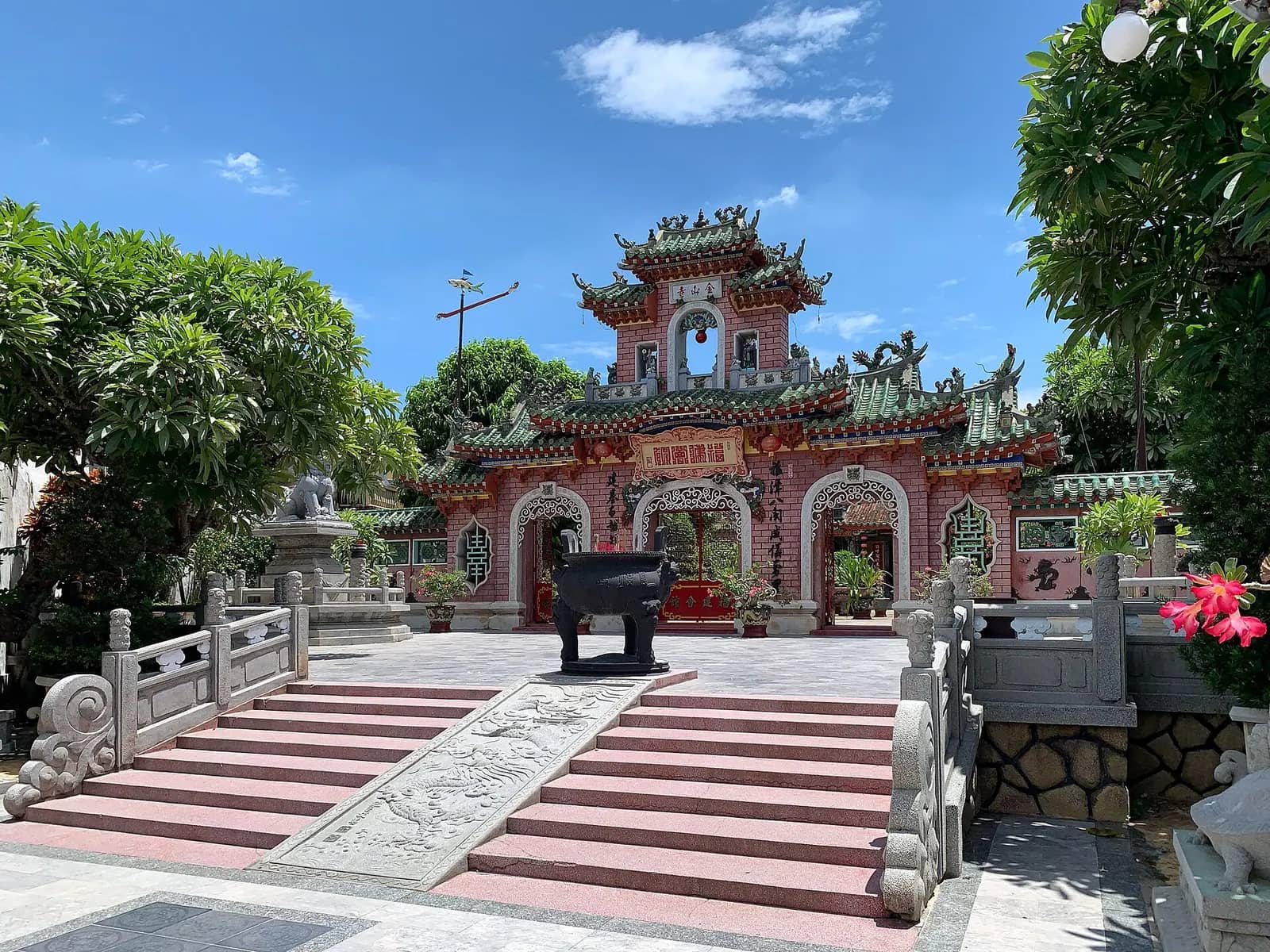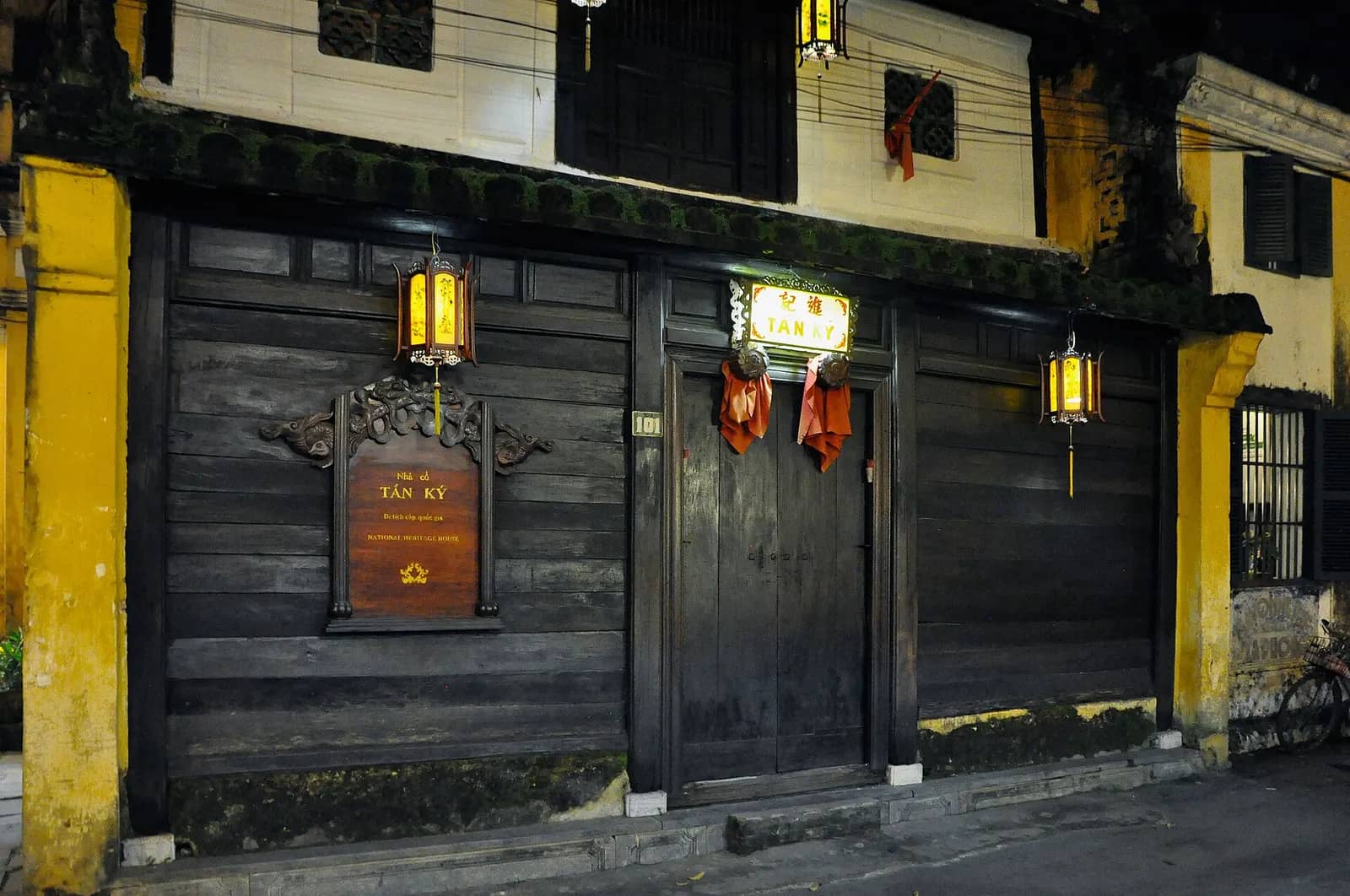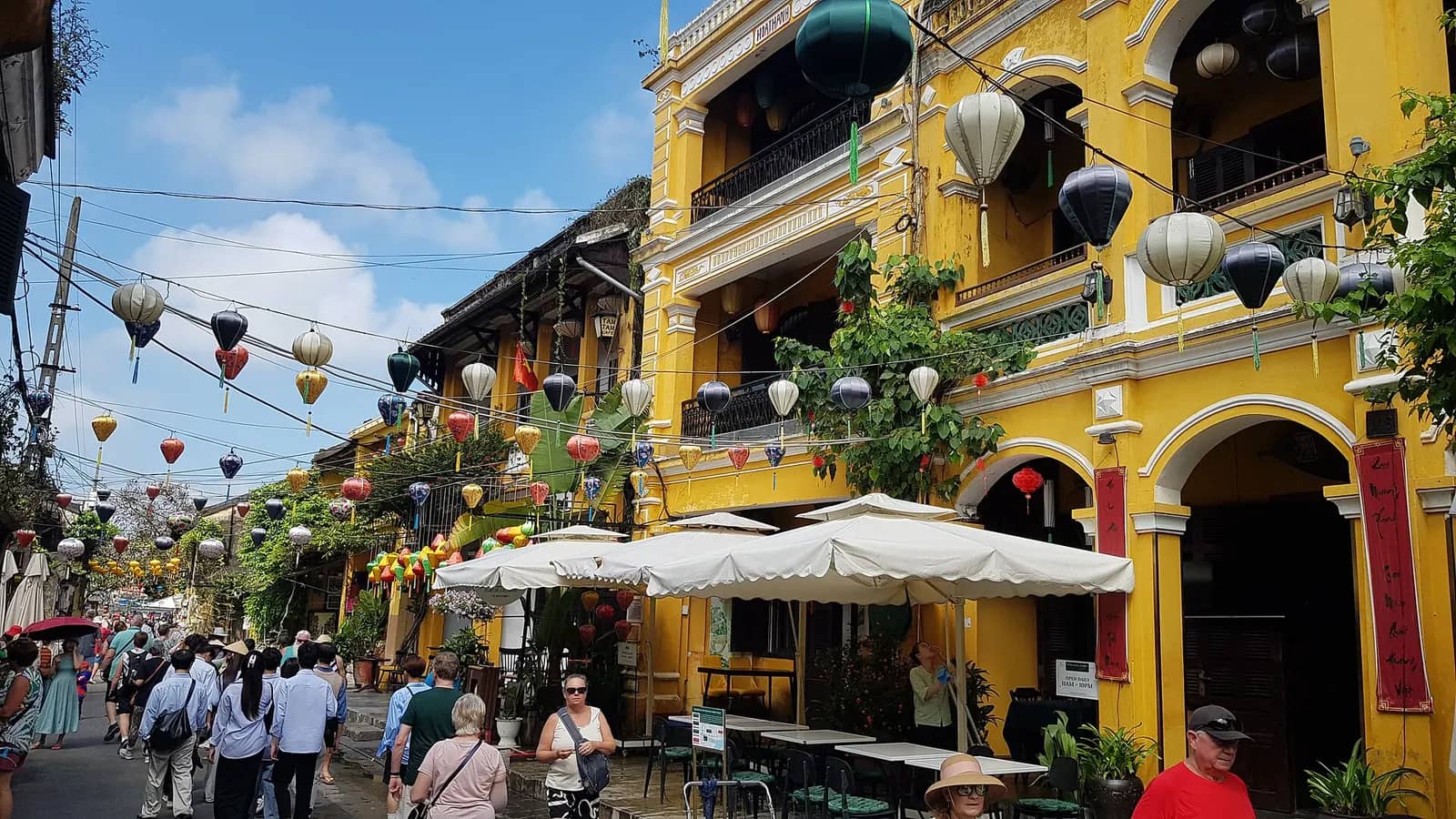
Hoi An Ancient Town (Phố cổ Hội An) lives up to the fuss, as long as you treat it as a few buildings to choose rather than a ticket to finish. It was a major Southeast Asian trading port from the 15th to the 19th centuries, and 844 of the 1107 buildings in the townscape are on the UNESCO World Heritage list, by Vietnam Tourism's count. Its history page picks out three to start with: the Japanese Bridge at the center, Tan Ky among the old houses and the Phuc Kien (Fujian) Assembly Hall among the assembly halls.
Here's the old town as travelers on r/VietNam described it this spring. You'll walk in past souvenir shops and restaurants, and if you last came years ago it can be a jolt: one traveler who'd strolled the canal in 2013 came back in April 2026 to "a big, crowded theme-park of a village". Somewhere along the way a woman will swing a shoulder pole of fruit baskets onto you and ask for a photo, then for money. Settle the price before you pose: one visitor paid 150k dong for a few mangosteens and a picture in the hat, and another overpaid happily while the seller rubbed his belly and called him Buddha. The quiet is inside the buildings. That same April visitor found Tan Ky, the best-preserved merchant house, with barely anyone in it. Regulars say come on a weekday, or just head in for food and a few drinks.
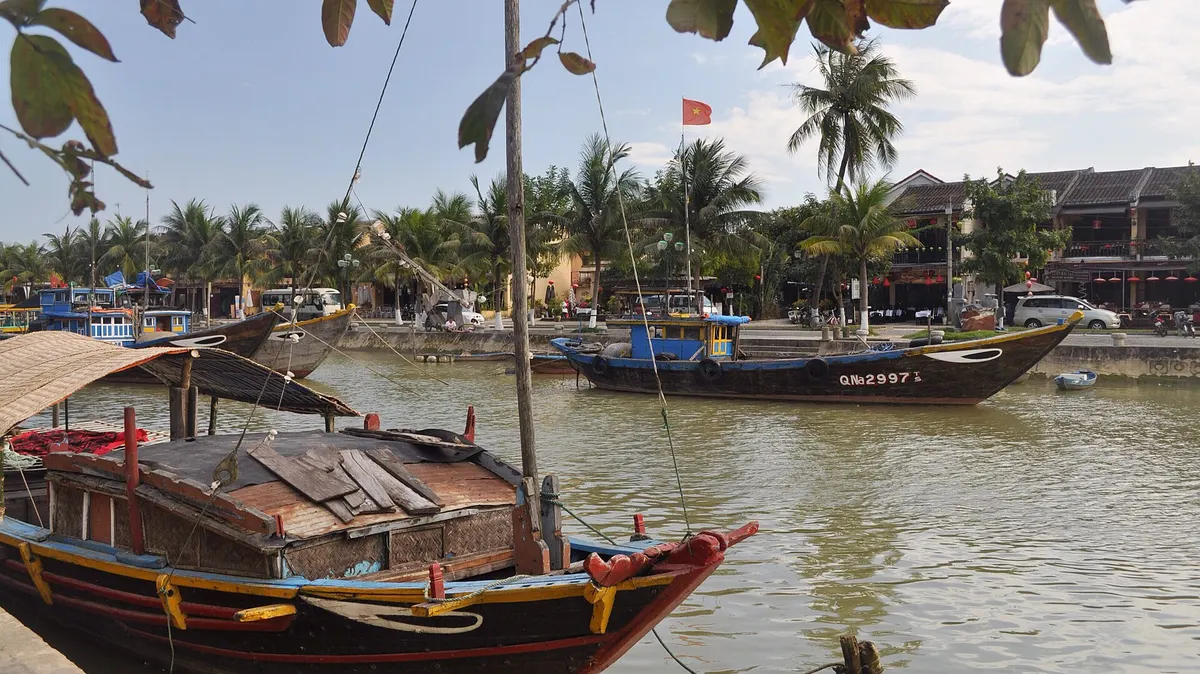
You're asked to buy a ticket before entering the Ancient Town. Since 10 August 2026 the fee is set per building you enter, by Da Nang's city council, because Hoi An's old province, Quang Nam, merged into Da Nang on 1 July 2025. The heritage center's own ticket notice still lists the old bundles, so the fees section below gives both.
Getting there
If you fly, you land at Da Nang. In a straight line on map coordinates the airport is about 23 km from the Ancient Town; the road is longer. Our closest airport to Hoi An article compares the airports.
The Japanese Covered Bridge is a short walk from the point Wikidata gives for the Ancient Town (distances under Nearby).
Hours and fees
Two official sources give different prices, so here is what each one says:
| Source | Price | What it covers |
|---|---|---|
| Da Nang city council, Resolution 98/2026/NQ-HĐND, from 10 August 2026 | VND 20,000 per person per building | Each listed building you go into, the same price for Vietnamese and foreign visitors |
| Heritage center ticket notice, still posted on 21 October 2026 | VND 80,000 | The Japanese Covered Bridge or Quan Cong Temple, plus two other monuments you choose |
| Heritage center ticket notice, still posted on 21 October 2026 | VND 120,000 | The Japanese Covered Bridge or Quan Cong Temple, one museum you choose and three other monuments you choose |
We read the resolution's full text on 13 October 2026. It replaced the February 2026 range of VND 20,000 to 30,000 per building with a single VND 20,000 and left the exemption list alone. It doesn't say whether the ticket bundles are still sold or how the per-building fee is collected at the booth. At VND 20,000 a building, three buildings come to VND 60,000. Ask at the booth which price applies before you pay.
The center's English notice says one ticket is valid throughout your stay, up to three days; the reports on the resolution do not mention validity. Children under 16 and school pupils pay no fee. So do Vietnamese citizens aged 60 and over, an exemption written for Vietnamese citizens only. An older ticket page from 2020 labelled the two ticket prices by nationality (Vietnamese and foreign). The Hoi An ancient town ticket article sets out all the official pages side by side.
Parts of the town close to motor vehicles at set hours. The 2026 notice lists these times:
| Area | Summer | Winter |
|---|---|---|
| Ancient Town | 09:00 to 21:30 | 09:00 to 21:00 |
| Phan Chau Trinh Street | 17:30 to 21:30 | 17:30 to 21:00 |
The older 2020 page lists general visitor-service hours of 07:30 to 21:30. Neither page gives a closing time for each building.
Our take
Go, and spend your money on the three buildings above rather than a list. Ask at the booth which price applies and pay that; the rules changed in August and the posted notice still shows the old bundles. Settle any photo price with a fruit seller before the baskets land on your shoulder. If the crowds wear you down, one r/VietNam visitor found a weekday calm enough to enjoy.
Nearby
- Japanese Covered Bridge: about 0.3 km in a straight line.
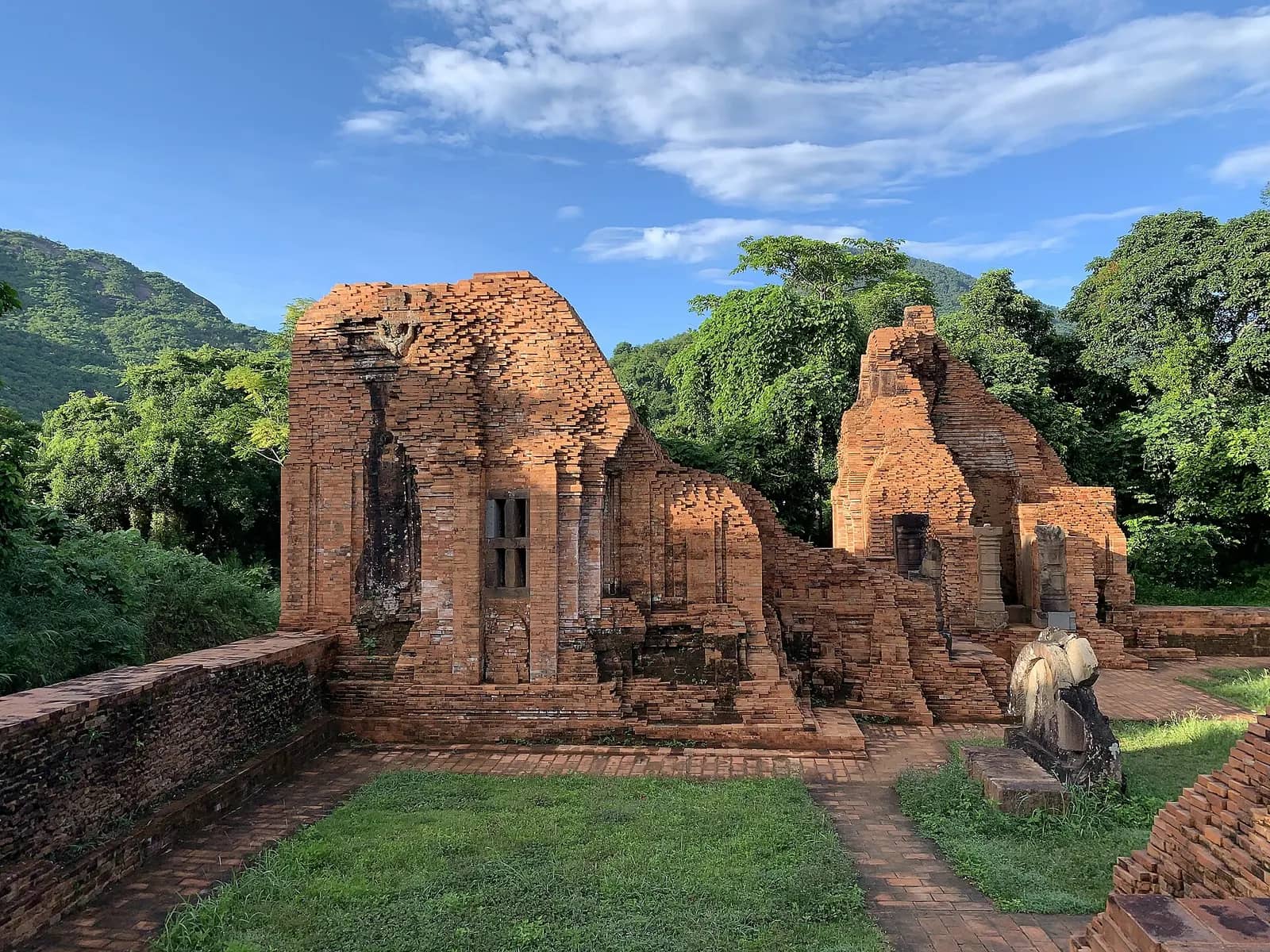
- My Son Sanctuary: about 25 km in a straight line.
- Tan Ky Old House: about 0.1 km in a straight line.
- Hoi An Museums: the Trade Ceramics museum is about 0.1 km in a straight line.
- Phuc Kien Assembly Hall: about 0.3 km in a straight line.
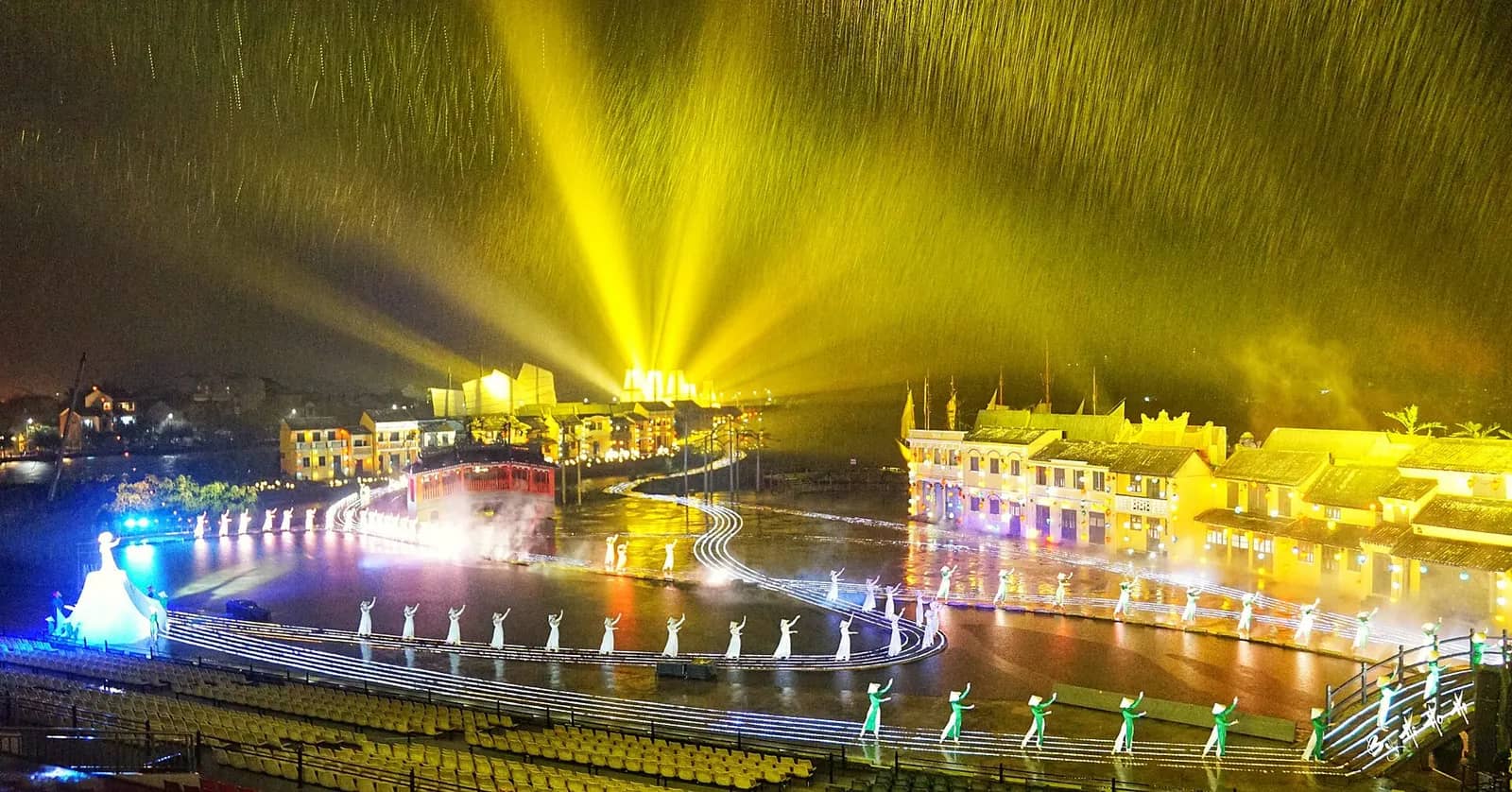
- Hoi An Memories Show: about 1.2 km in a straight line.
- Thanh Ha Pottery Village: about 3.2 km in a straight line.
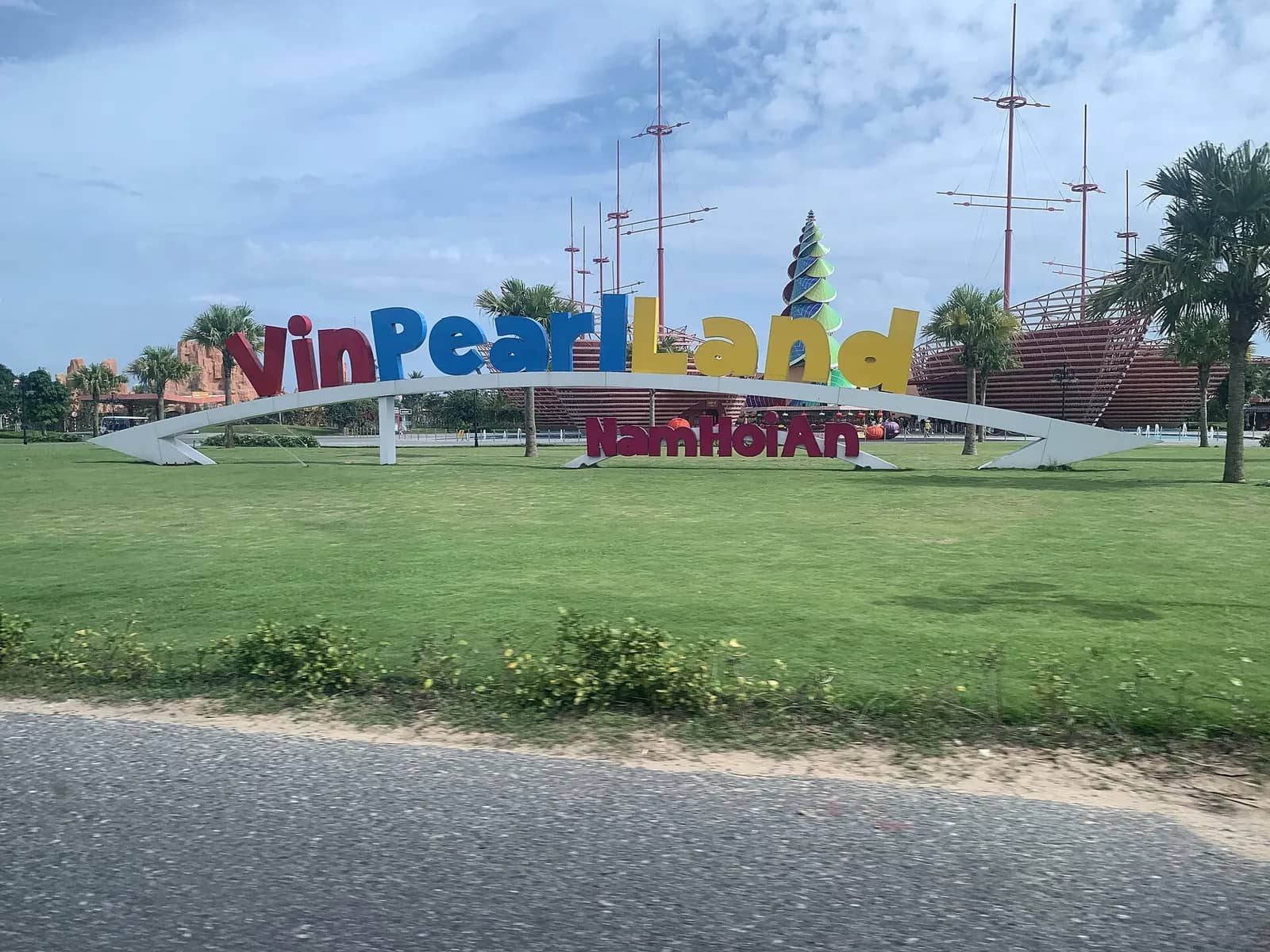
- VinWonders Nam Hoi An: about 13 km in a straight line.
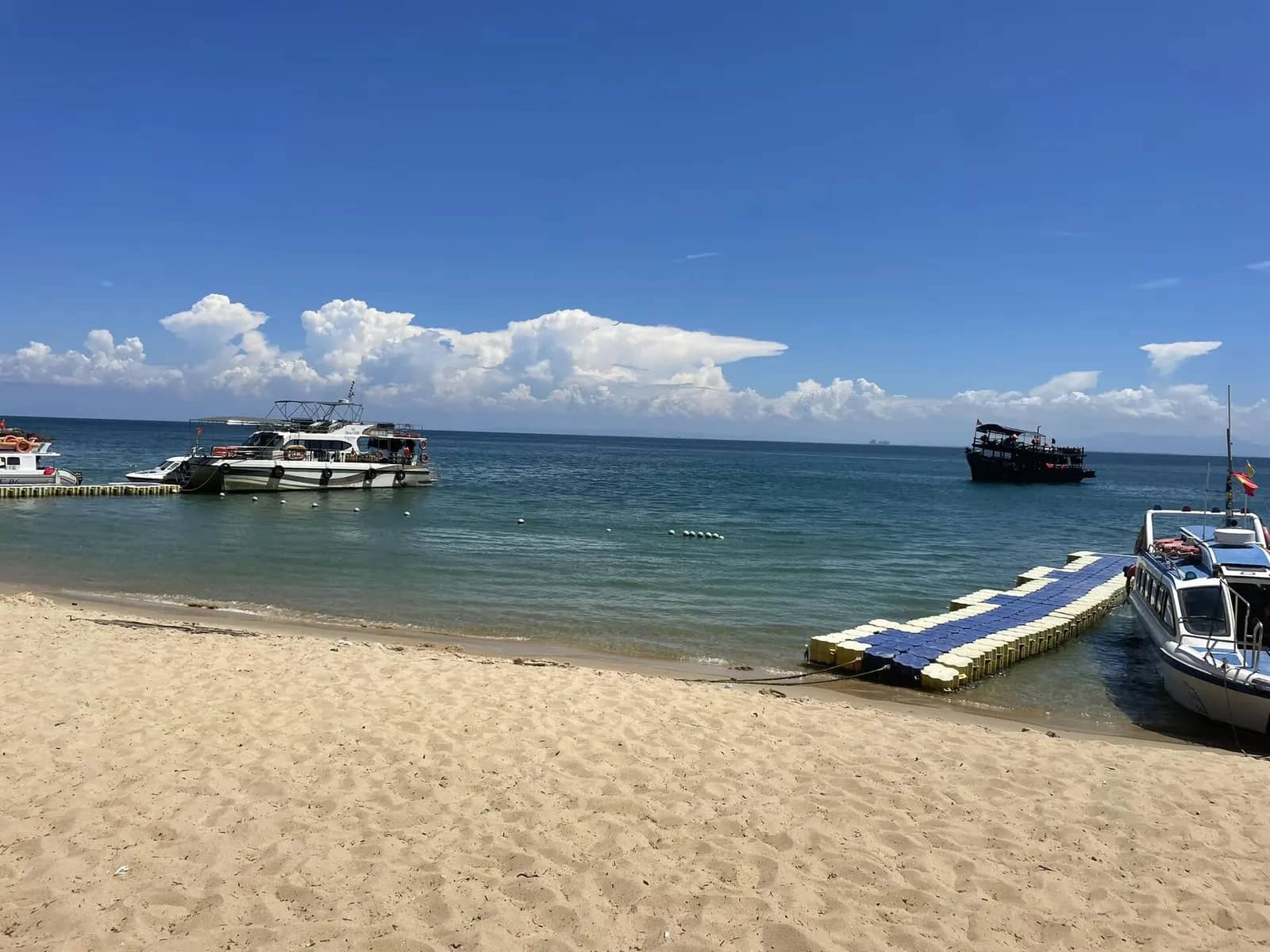
- Cu Lao Cham: about 22 km in a straight line, by boat from Cua Dai port.
Questions travelers ask
Is Hoi An too touristy? It comes up often on r/VietNam. Here's one answer from a thread titled "What is the appeal of Hoi An?":
"It's only an overcrowded tourist nightmare if you stick to the overcrowded tourist spots. There's plenty to see and do around Hoi An if you take the time to look for it."
u/Ecstatic-World1237 on r/VietNam
What about the fruit sellers who ask for photos? A traveler asked about women in the old town who hand you a shoulder pole of fruit. One reply described how it goes:
"They approach you throw the baskets on your shoulders demand take a picture then ask for money."
u/amigo1974 on r/VietNam
When is the lantern night? On the 14th day of every lunar month. The centre of the old town switches off its white electric lights, the streets run on lantern light, and people float flower lanterns on the Hoai River for luck. The next nights fall on 23 October, 22 November and 22 December 2026; our Hoi An lantern festival dates list runs to December 2027.