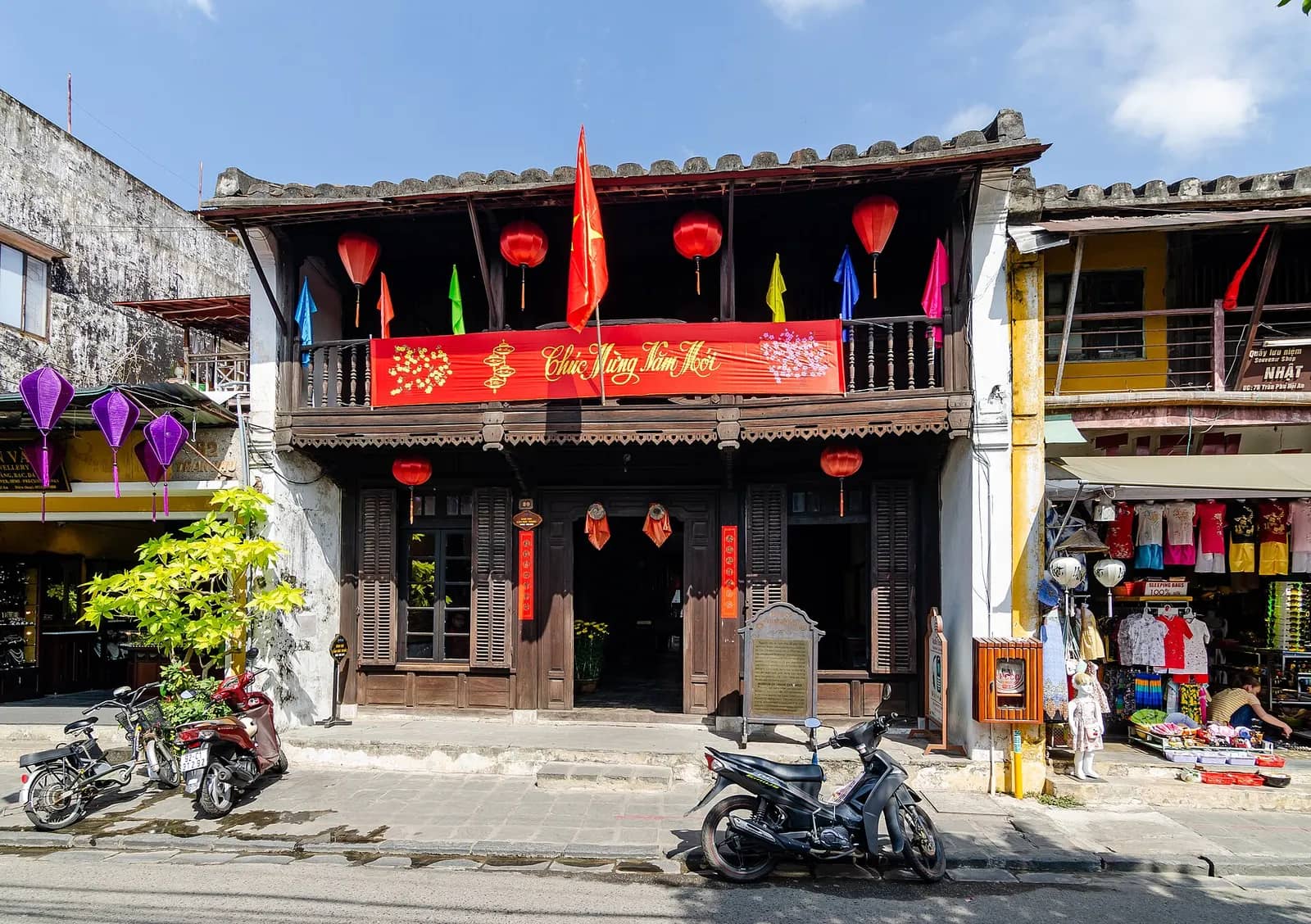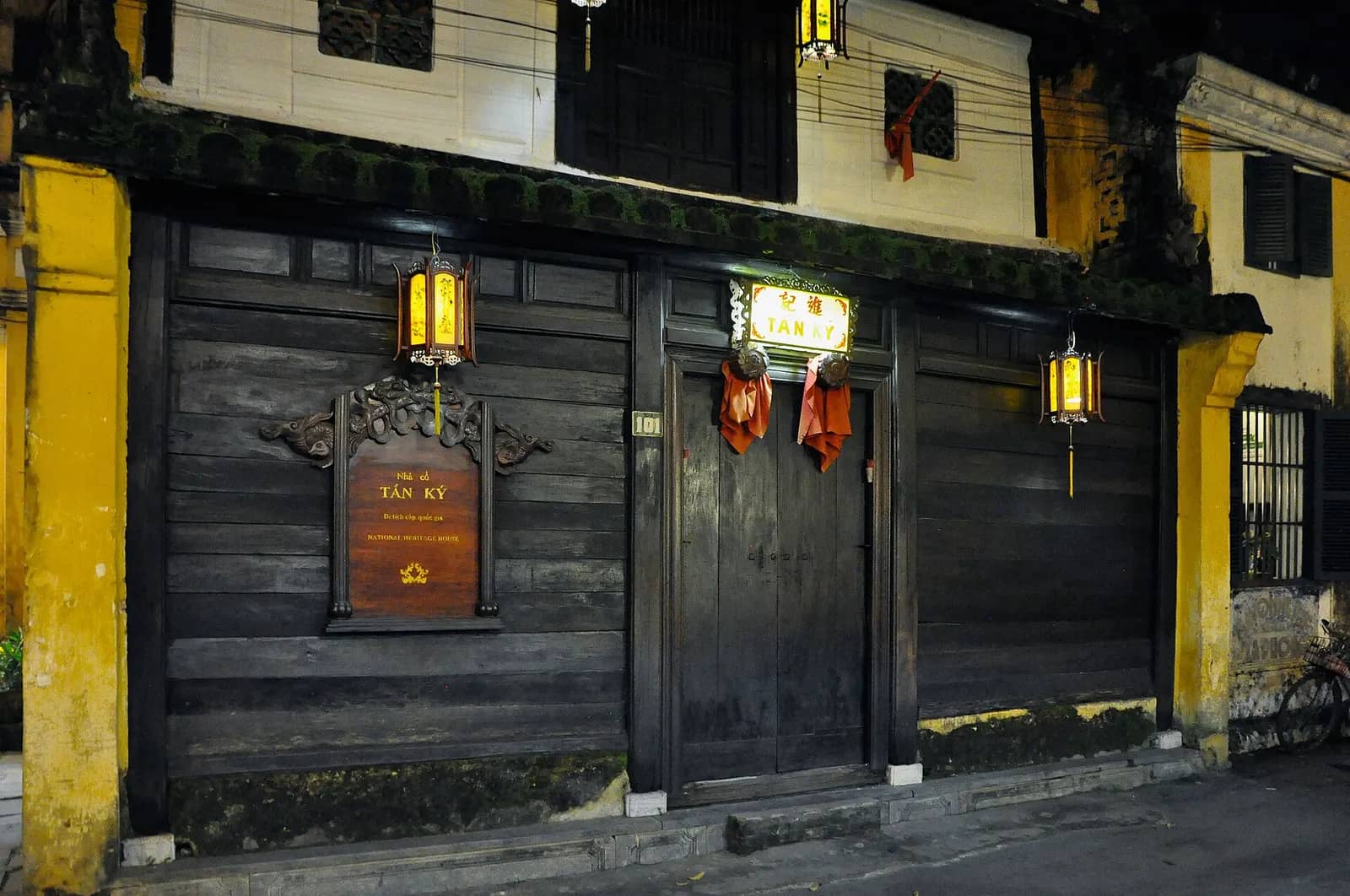
Tan Ky Old House (Nhà cổ Tấn Ký) is the merchant house to go into if you only have time for one: a dark wooden shophouse at 101 Nguyen Thai Hoc Street in Hoi An Ancient Town, home to seven generations of one family. Its age depends on who you ask. Vietnam Tourism, the national tourism site, gives 1741; a 2015 account republished on the Hoi An heritage center's site puts it at the end of the 18th century, and names the family as the Le.
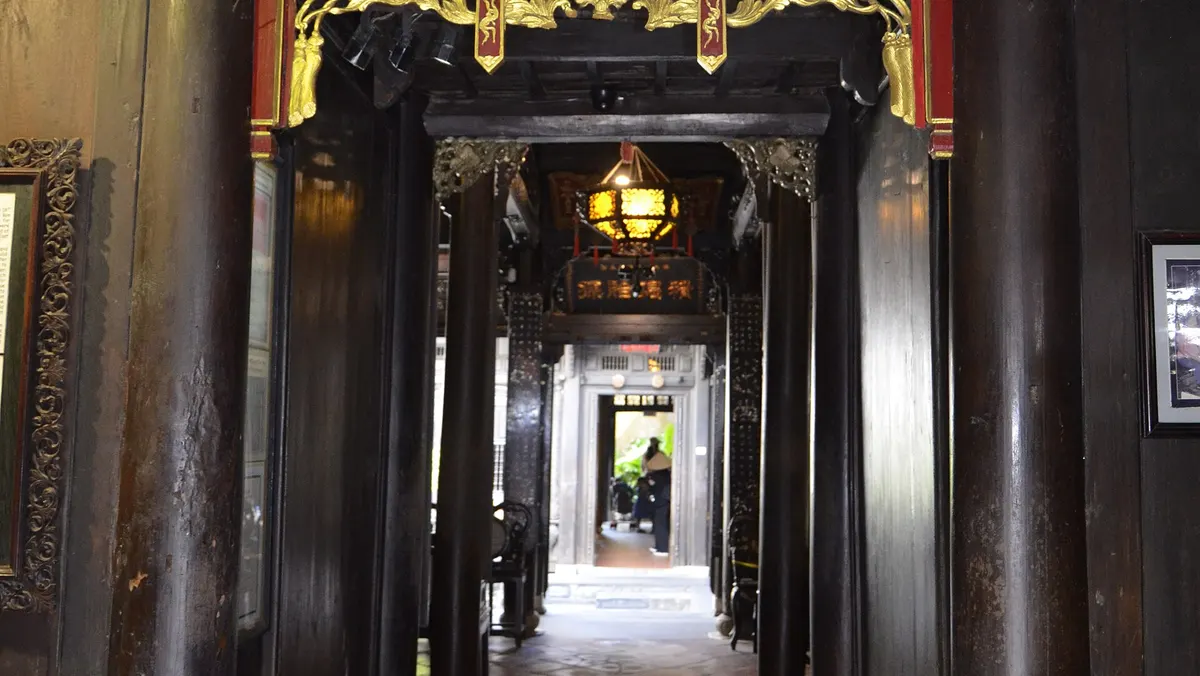
A visit written up by DrFumblefinger on the TravelGumbo travel blog in August 2026 reads like a walk from the street to the river. You'll step in off busy Nguyen Thai Hoc into a long, narrow house of jackfruit wood, ironwood and teak, joined with pegs rather than nails, its thick roof and walls built to keep summer out. The ground floor is yours to walk through; upstairs is still the family's. Partway back you'll reach a small courtyard with an old well and an inlaid pillar, letting light and air into the middle of the house. Watch the walls as you go: flood-level marks show how high the water crested in different years, and the post says the 2025 flood "submerged the entire first floor". At the very back is the door that once opened onto the river, long since silted over. Goods came in that way and went up to the storerooms by pulley.
The house runs right through the block. Its front opened onto Nguyen Thai Hoc for the family shop, and its back opens onto Bach Dang Street by the river, so goods could come in from the water. Carpenters from Kim Bong village built it, by the 2015 account, and a sixth-generation descendant quoted on the heritage center's page traces the round stones under the columns to Thanh Hoa.
What to look for
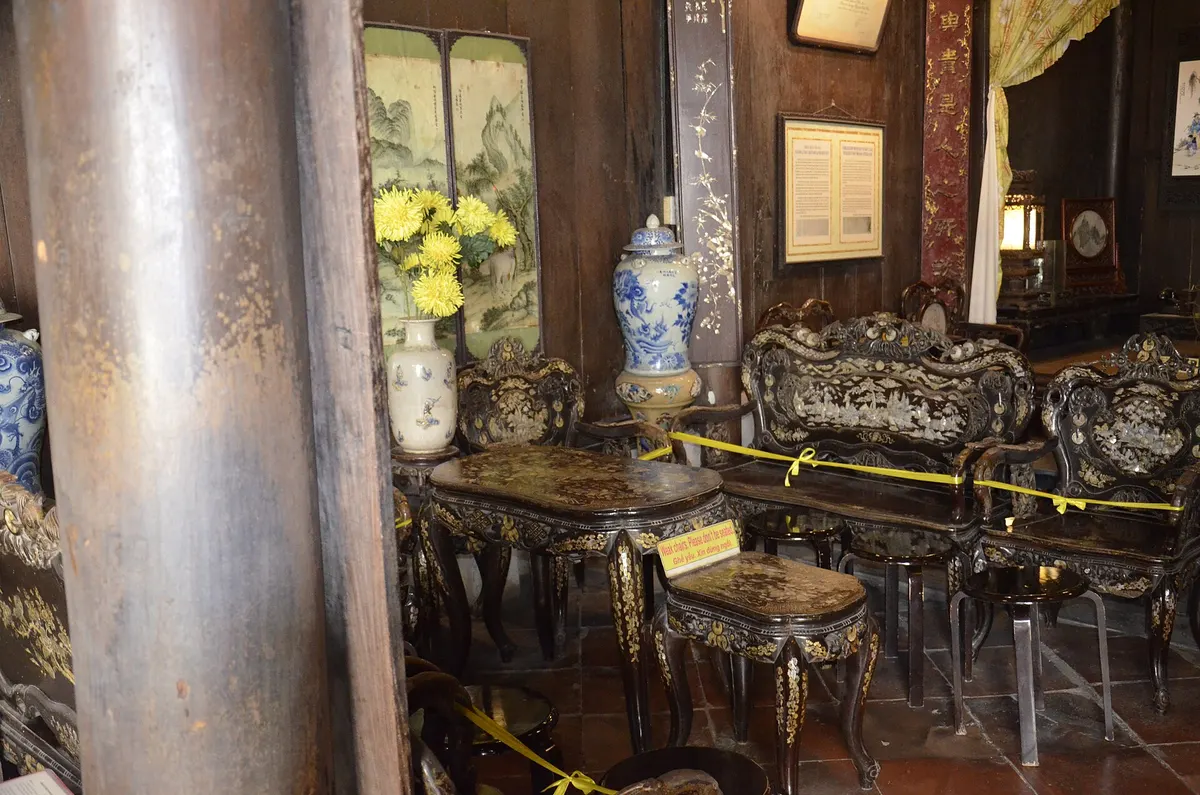
Find the One Hundred Birds board first. It's a text written in 100 letters, and every stroke is drawn as a bird in flight. Then the poetry in mother-of-pearl, set into the dark wood. Then the flood marks on the walls. In 1964 the river rose to the ceiling of the room you're standing in, and by the 2015 account Tan Ky was the first old house in Hoi An to be named national heritage.
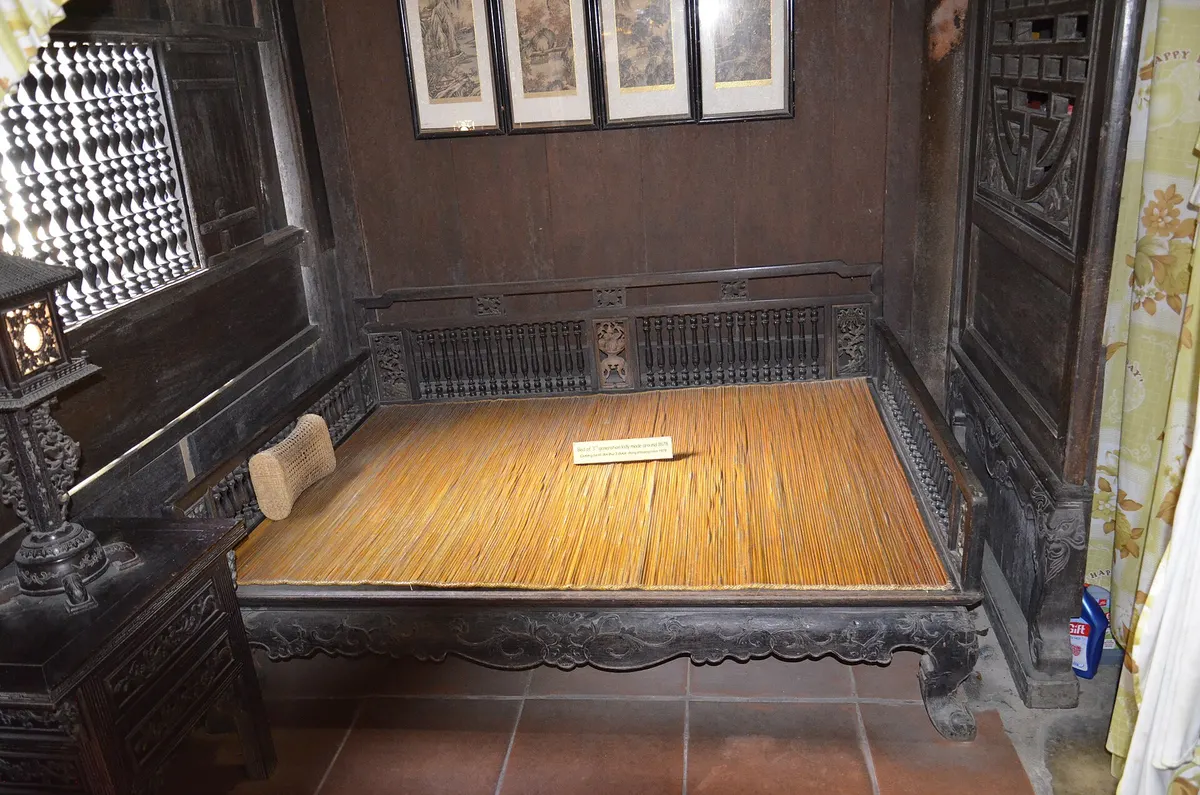
Is anyone still living there? On the national site, descendants of the original family live upstairs; in the 2015 account, the owner no longer lived in the house and came in to work on the upper floor in the mornings. Either way, the upper floor is not part of the visit.
Hours and fees
Tan Ky has no ticket of its own. Two official sources give different prices for the Ancient Town buildings:
| Source | Price | What you get |
|---|---|---|
| Da Nang city council, Resolution 98/2026/NQ-HĐND, from 10 August 2026 | VND 20,000 per person per building | Entry to each building you choose, the same price for Vietnamese and foreign visitors |
| Heritage center ticket notice, still posted on 12 October 2026 | VND 80,000 | Two sites from the assembly halls, old houses and family chapels, plus the Japanese Covered Bridge or Quan Cong Temple |
| Heritage center ticket notice, still posted on 12 October 2026 | VND 120,000 | Three such sites, plus a pick from the museums and the bridge or temple |
The local reports on the resolution don't say whether the bundles are still sold, so ask at the booth which price applies. The notice lists old houses as a group without naming each one, and older travel guides put Tan Ky on the ticket. The bundle ticket is valid throughout your stay, up to three days, and groups buying 8 or more tickets get a free guide. Children under 16 do not pay.
We found no official opening hours for the house. Two travel guides give 08:30 to 17:45 daily, and a third "around 8 am to 5 or 6 pm". Check at the door before you plan around it.
Getting there
Tan Ky is about 0.1 km in a straight line from the Ancient Town's map point, so you will pass it on foot, and the Japanese Covered Bridge is a short walk further (distances under Nearby). Da Nang's airport is about 23 km away in a straight line; the closest airport to Hoi An guide compares the options.
Our take
Go in, and know what you're looking for before you do: the bird board, the inlaid poetry, the flood marks on the walls, and the back door to the river that explains why one shop needed two streets. Pay whichever price the booth charges that day, and aim for roughly 08:30 to 17:00, the window all three guides share.
Nearby
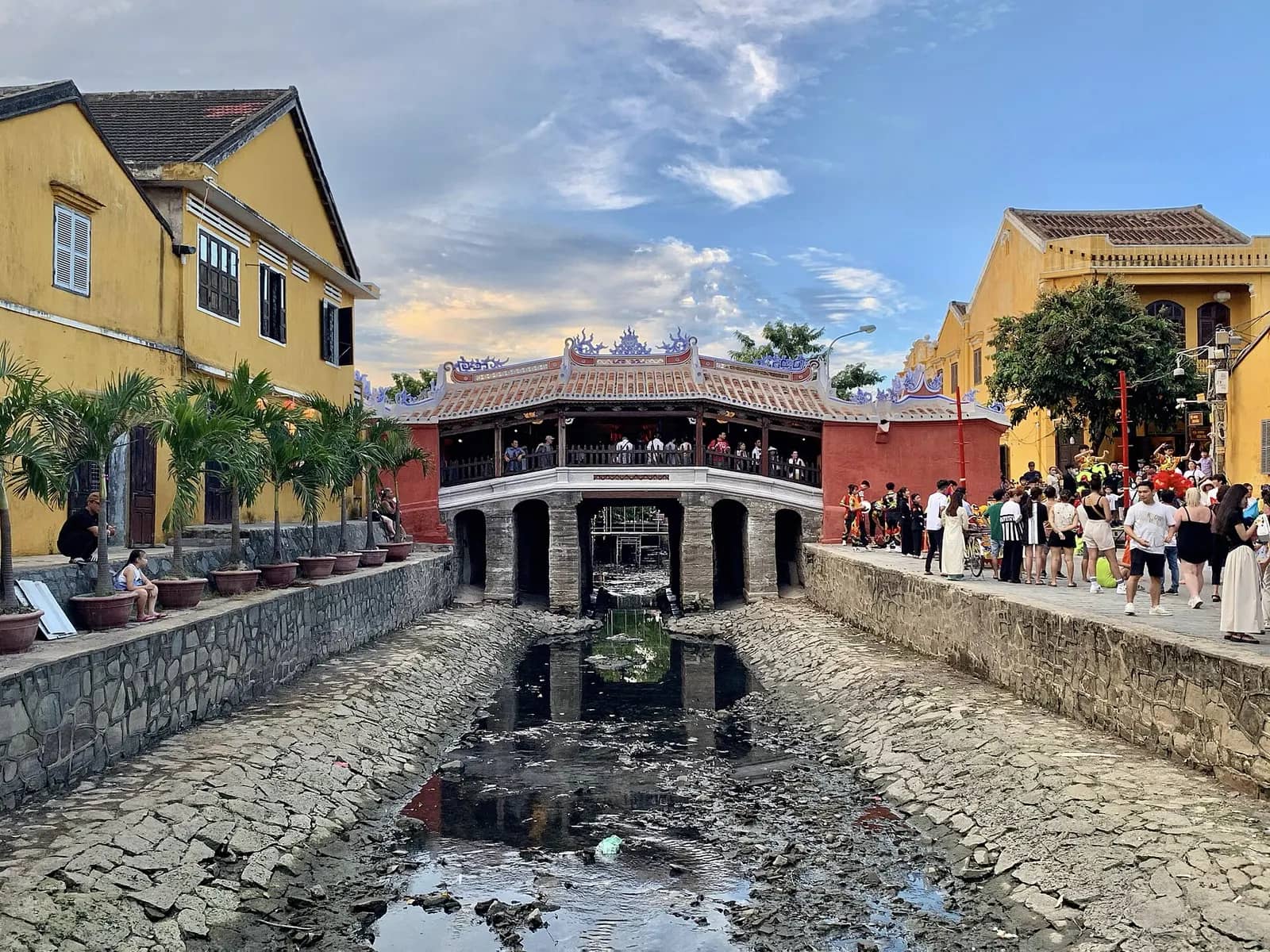
- Japanese Covered Bridge: about 0.2 km in a straight line.
- Hoi An Ancient Town: about 0.1 km in a straight line.
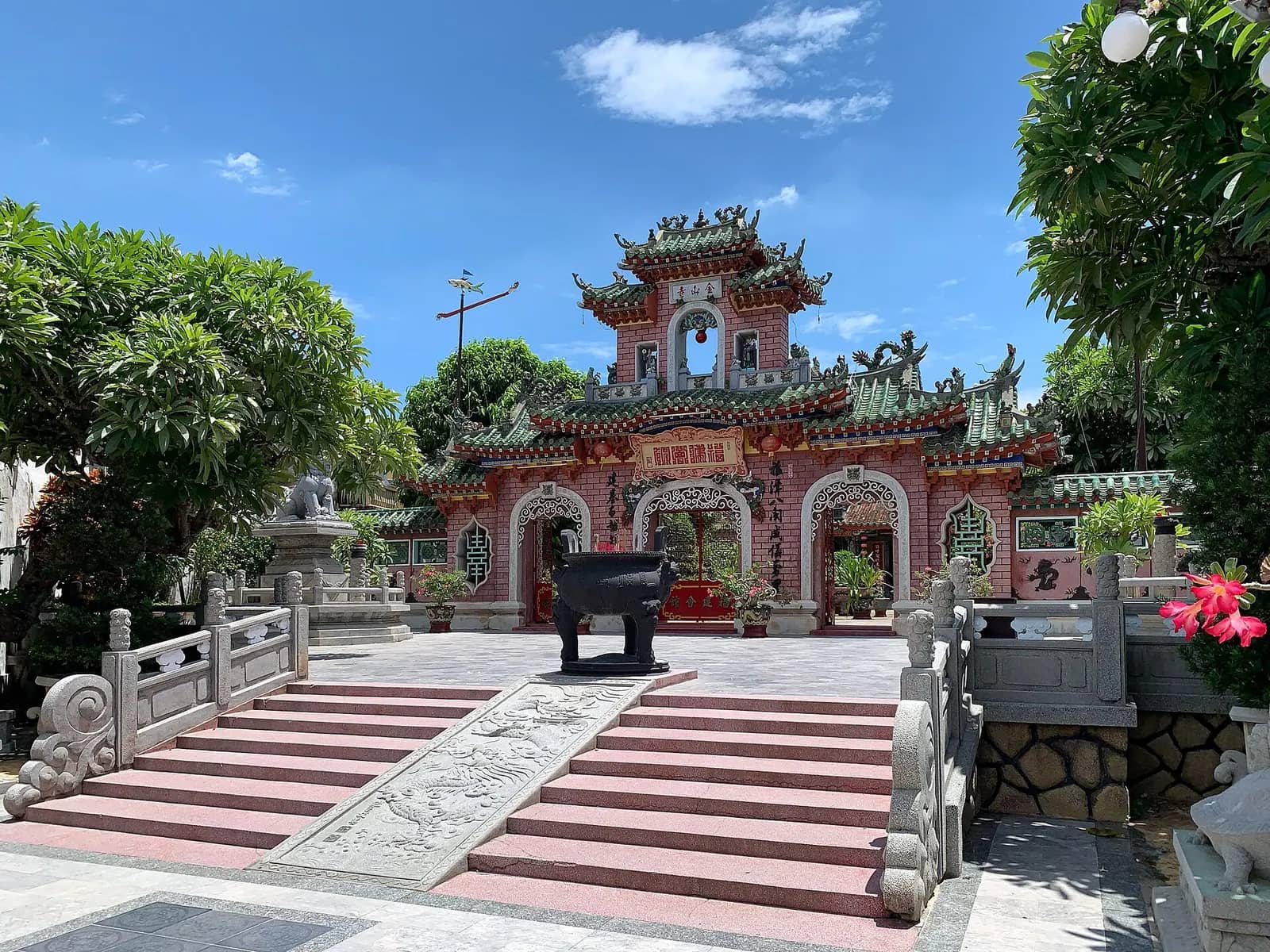
- Phuc Kien Assembly Hall: about 0.4 km in a straight line.
- Hoi An Museums: the Trade Ceramics museum is about 0.2 km in a straight line.
Questions travelers ask
Does the Old Town still flood? The house's own story includes the 1964 flood. When photos of a flooded Hoi An were posted on r/VietNam in October 2026, one reply was short:
"same old story every year, it's nothing new"
u/ducntq on r/VietNam
Are the old houses still the draw? A Vietnamese visitor returning after many years said the old core used to be the main sight:
"It used to be just the one street up to the bridge that was the key attraction with real old houses of architectural significance"
u/No-Gur-8666 on r/VietNam