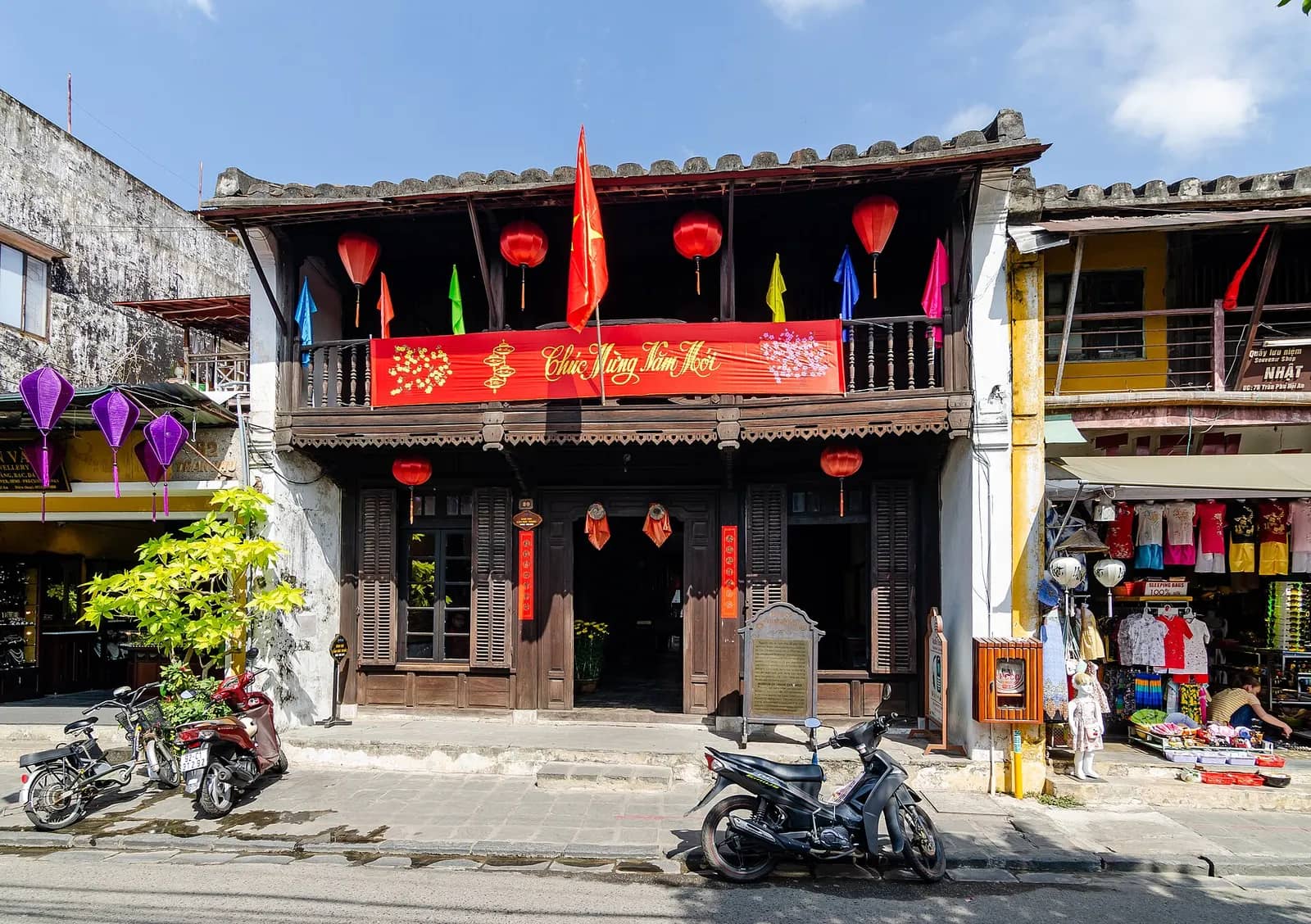
Hoi An's museums are run as one system by the town's heritage conservation center, and most of them sit inside old houses in Hoi An Ancient Town. The museum system's own site lists six: the Hoi An Museum, plus five themed museums on Tran Phu and Nguyen Thai Hoc streets. One of them is closed for now, and each of the others shuts on two set days every month, so check the table before you walk over.
The museums at a glance
All figures below come from each museum's page on the official site.
| Museum | Address | Hours | Closed each month |
|---|---|---|---|
| Sa Huynh Culture | 149 Tran Phu | 7:30 to 21:30 daily | 10th and 25th |
| Trade Ceramics | 80 Tran Phu | 7:30 to 21:30 daily | 11th and 26th |
| Folk Culture | 33 Nguyen Thai Hoc (also 62 Bach Dang) | 7:30 to 21:30 | 13th and 28th |
| Traditional Medicine | 46 Nguyen Thai Hoc | 7:30 to 21:30 daily | 12th and 27th |
| Local Products | 57 Tran Phu | 7:30 to 21:30 daily | 3rd and 16th |
| Hoi An Museum | 10B Tran Hung Dao | Temporarily closed | Until further notice |
The days are fixed dates of the month, not weekdays, so check the date before you set off.
Sa Huynh Culture
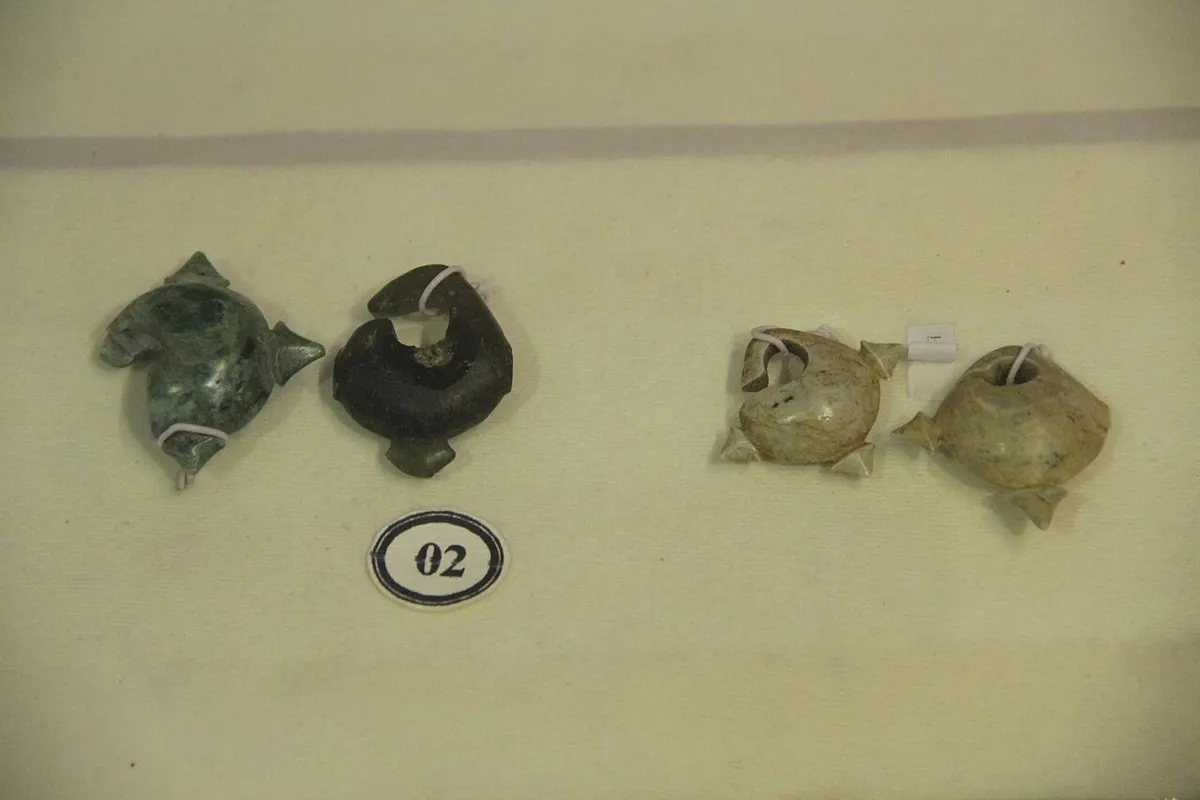
The museum was founded in 1995 and shows more than 1000 objects from the Sa Huynh people, a culture the site dates to 2000 years ago. The site calls them the founders of Hoi An's earliest trading port, with links to Southeast Asia, southern India and China.
Trade Ceramics
This museum was formed in 1995 with help from Japanese experts. It holds 361 objects dated from the 9th and 10th centuries to the 19th century, found at dig sites around Hoi An, which trace the sea trade in ceramics. The building is a typical 19th-century two-storey house with a wooden balcony, so you see an old Hoi An house layout as well as the pots.
Folk Culture
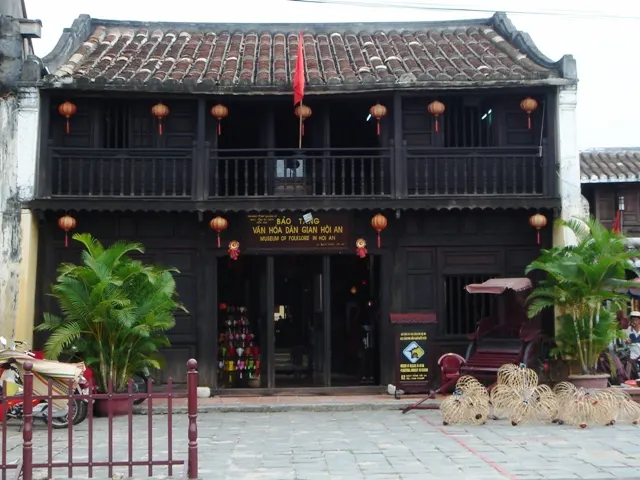
The Folk Culture museum opened on 24 March 2005 in an old house 57 m long and 9 m wide, with two floors, running from Nguyen Thai Hoc through to Bach Dang Street. Vietnam Tourism sends visitors here and to the Trade Ceramics museum for traditional crafts and performance.
Traditional Medicine and Local Products
The Traditional Medicine museum opened on 15 March 2019 in an old house and shows more than 200 objects. The Local Products museum covers the spices and other goods the region traded. Its display space is 240 m2 over 2 floors, with 130 images and documents and 151 objects.
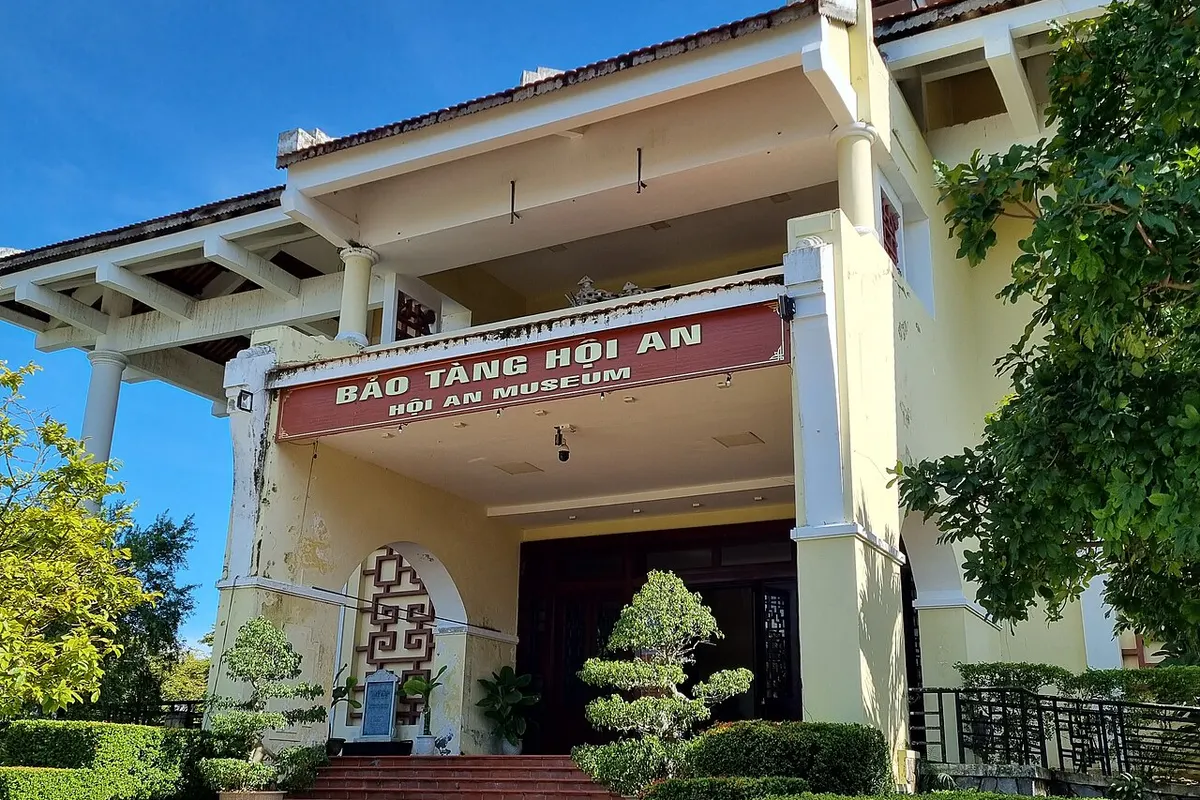
Hoi An Museum (closed for now)
Vietnam Tourism calls the Museum of History and Culture "a good place to start". The heritage center's museum overview says that museum moved to 10B Tran Hung Dao in August 2015, the address of today's Hoi An Museum. The museum system's site says the Hoi An Museum uses about 400 m2 to show 712 items: 335 in the history and culture room and 377 in the revolutionary history room. The same page says it is temporarily closed for specialist work until it announces a reopening, so do not plan your visit around it.
Hours and fees
Two official sources give different prices, and the difference matters for museums:
| Source | Price | Museums included |
|---|---|---|
| Da Nang city council, Resolution 98/2026/NQ-HĐND, from 10 August 2026 | VND 20,000 per person per building | The resolution covers the Ancient Town's museums as well as its cultural buildings, at one rate for Vietnamese and foreign visitors |
| Heritage center ticket notice, still posted on 12 October 2026 | VND 80,000 | None listed: its two picks are from assembly halls, old houses and family chapels |
| Heritage center ticket notice, still posted on 12 October 2026 | VND 120,000 | One museum of your choice, plus three other sites and the Japanese Covered Bridge or Quan Cong Temple |
The city's portal and the newspaper Nhan Dan both reported the resolution, but neither says whether the two ticket bundles are still sold. Ask at the booth which price applies. On the center's notice, the ticket is valid throughout your stay, up to three days, and children under 16 do not pay.
Getting there
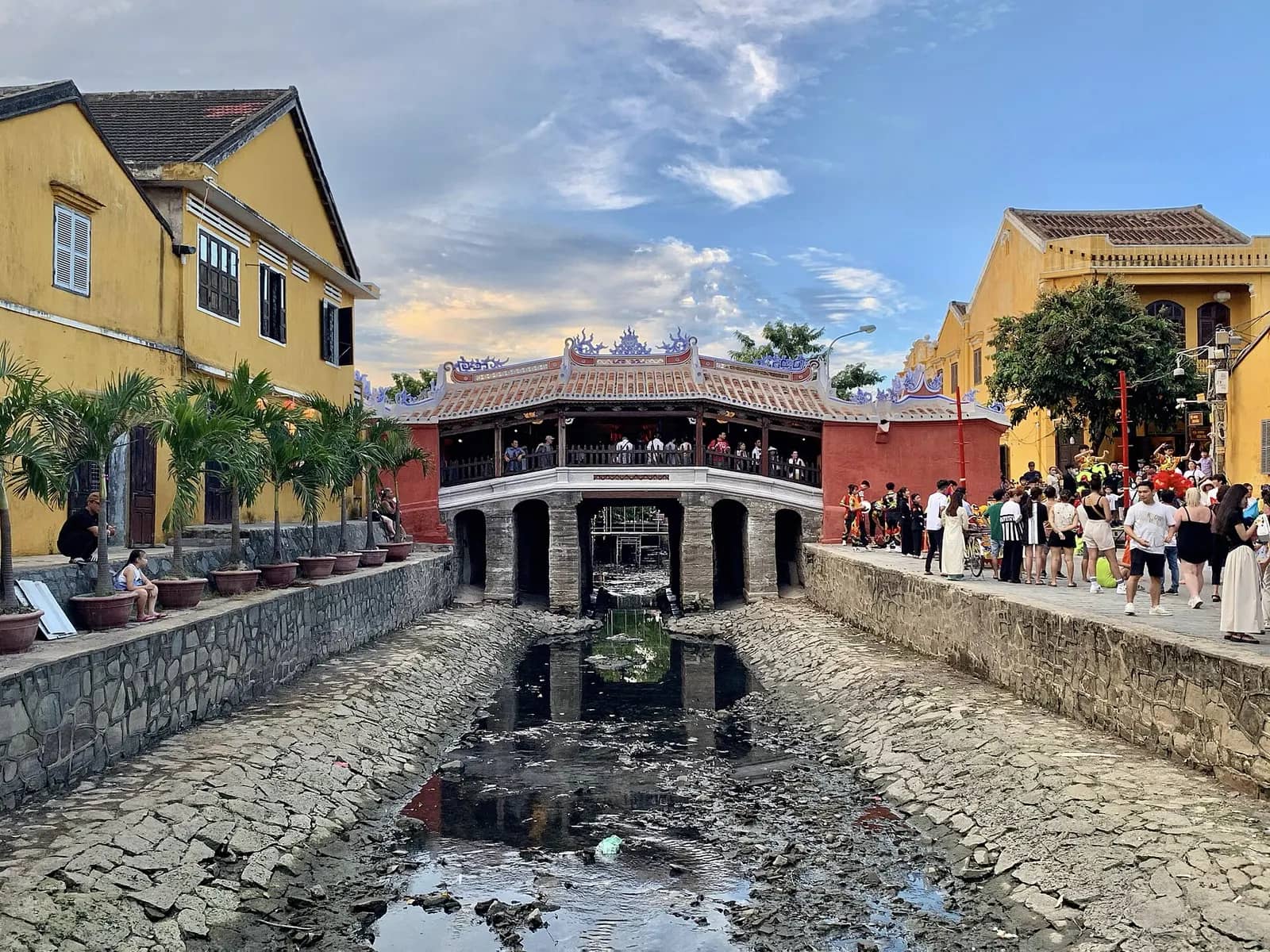
All five open museums are in the walking core. The Trade Ceramics museum is about 0.1 km in a straight line from the Ancient Town's map point and about 0.4 km from the Japanese Covered Bridge. The Sa Huynh museum is right by the bridge, about 0.05 km away. Da Nang's airport is about 23 km away in a straight line.
Our take
If you only have time for one, we'd pick Trade Ceramics: it's the one that also gets you inside a 19th-century house. If the booth still sells the ticket bundles, only the VND 120,000 one includes a museum, so don't buy the cheaper one expecting a museum in it. Check your date against the closing days in the table first. With a 21:30 closing time, a museum is also a good way to fill a rainy afternoon or an early evening.
Nearby
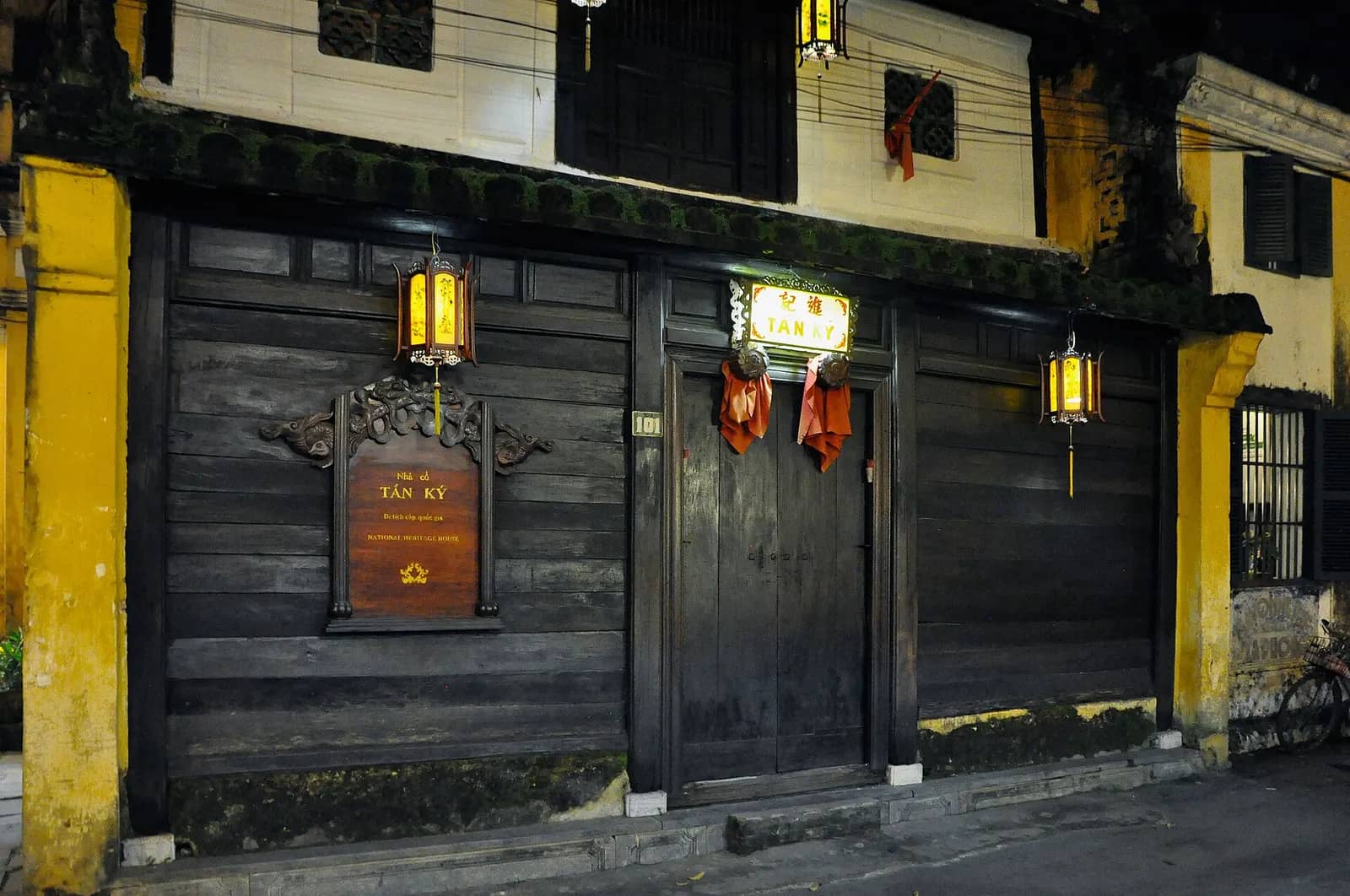
- Tan Ky Old House: about 0.2 km from the Trade Ceramics museum in a straight line.
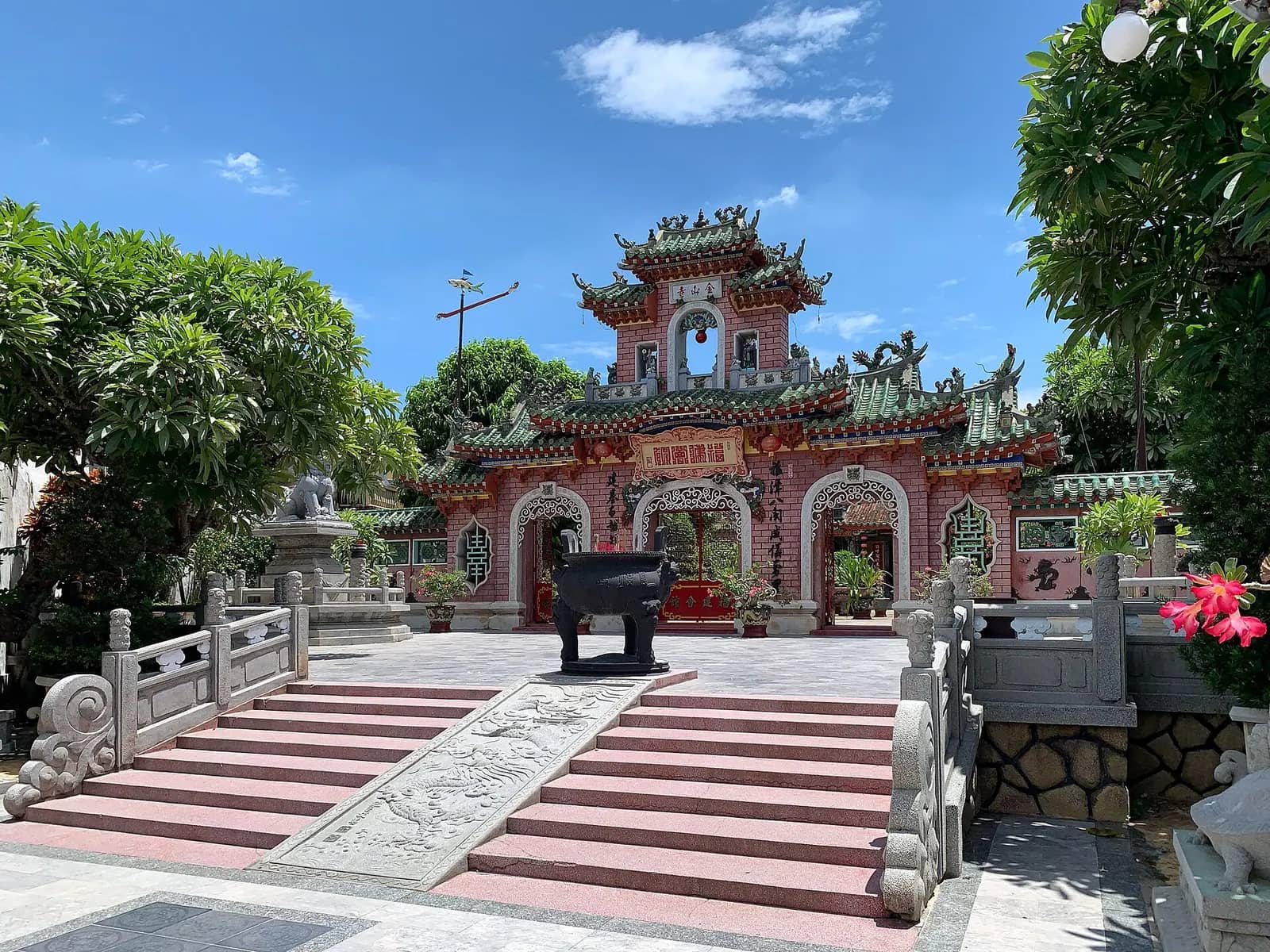
- Phuc Kien Assembly Hall: about 0.2 km from the Trade Ceramics museum in a straight line.
- Japanese Covered Bridge: about 0.4 km in a straight line.
Questions travelers ask
Is there much history to see? Replying to a visitor who found Hoi An too commercial, one user pointed to its trading past, which the Trade Ceramics and Sa Huynh museums cover:
"its history is that of a port town for trading, and has been for hundreds of years"
u/davidsigura on r/VietNam
"Great leather, awesome little town, a lot of history"
u/vitoforever99 on r/VietNam